

A conference ticket is only the beginning of what a tech event costs a small team, which can exceed a month of software subscriptions. Between the ticket, flights, a hotel and a few days away from real work, the bill climbs fast. Yet people keep going, because the right event can produce a hire, a customer or an idea that changes a roadmap. The trick is telling a conference ticket worth buying from a merely loud one. Here is a method that works whether you are a founder, an engineer or a marketer.
Start with the outcome before you buy a conference ticket
Before comparing lineups, write one sentence: what do I want to walk away with? Typical answers include meeting investors, finding customers or partners, learning a craft in depth, recruiting, or spotting trends early. Each goal points to a different kind of event, and a different conference ticket. Large gatherings of this kind have a long history, which the Wikipedia article on trade fairs summarizes.
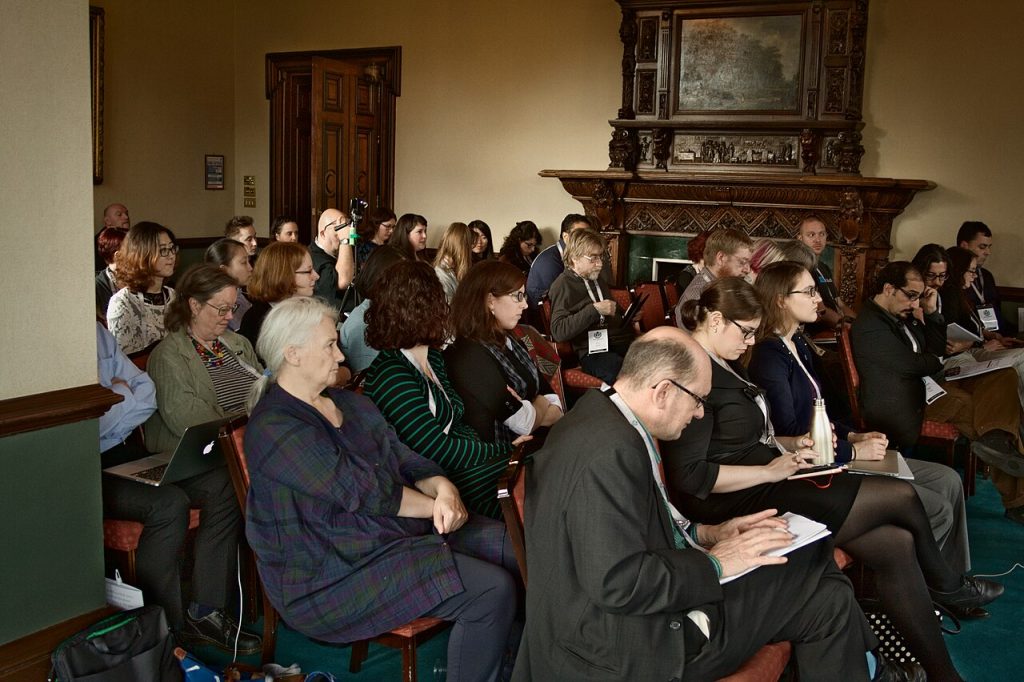
A giant multi-track show suits trend spotting and broad networking. A small, single-topic gathering suits deep learning. Founders chasing investors often do better at a regional or industry-specific event, where the relevant people make up a larger share of the room. A backend engineer who wants to get better at database tuning will learn more at a two-day workshop with fifty people than at a keynote hall with five thousand.
Read the agenda like a skeptic
A good agenda has specifics. Talk titles that describe a lesson, a problem or a case study are usually a better sign than vague panels called something like The Future of Everything. Look at who is speaking and why. Are they practitioners describing real work, or are most slots sponsor pitches? A high share of sponsored sessions is not automatically bad, but you should know what you are buying.
Pay attention to format too. Long panels with five people tend to produce polite averages. Short talks, hands-on workshops and fireside chats with a skilled interviewer tend to teach more. If the organizers publish last year’s videos, watch two or three at double speed. You will learn quickly whether the content justifies a conference ticket and a flight.
Judge the networking, not the promise of it
Almost every event advertises networking. The real question is how it is structured. Look for an attendee app or list that lets you request meetings ahead of time, and for breaks long enough to talk rather than a ten-minute scramble for coffee. Smaller formats such as roundtables or topic lunches put you at a table with strangers who share an interest, which beats wandering a hall with a name badge.
Venue layout matters more than people admit. A cramped hall with loud music makes conversation hard, while a space with seating nooks and quiet corners helps. If an event offers none of this, you will be relying on luck.
Do the cost math on every conference ticket, and check the track record
Conference ticket prices often climb as the date approaches, and early-bird tiers can be much cheaper. But the ticket is only part of the bill. Add travel, lodging, meals and the cost of your time away from work, then compare the total with what you can realistically expect to gain.
Say the whole trip costs roughly what a month of a junior hire would. Ask whether the same money could produce the outcome another way, such as a targeted outreach campaign or a handful of direct introductions. Also look for cheaper routes in. Many events discount the conference ticket for startups, students and nonprofits, and some offer volunteer or exhibitor options. Speaking is often the best deal of all, since it gives you credibility and a reason for strangers to approach you.
Check the track record before paying. Search for recaps written by attendees, not organizers. Honest reviews on personal blogs, forums and social posts will tell you whether the sessions were useful and whether the crowd matched the marketing. One candid message to a colleague who went last year is worth more than a polished brochure.
Plan to make it count, or stay home
Choosing well is half the work. The other half is arriving prepared. Pick five to ten people you want to meet and reach out early, with a clear two-sentence description of what you do. Decide in advance which sessions you will skip, so you protect time for conversations. Recordings usually appear later, and a hallway chat does not.
During the event, talk to people in queues and at lunch tables. Take short notes right after each meeting, including one thing you promised to do. Rest, too. Three days of back-to-back sessions drain everyone, and tired people make poor impressions.
Afterwards, follow up within a week while memories are fresh. A short, specific message that mentions what you discussed beats a generic nice to meet you. Many of the real returns arrive weeks later, from conversations someone bothered to continue.
Sometimes the smartest decision is not to buy the conference ticket at all. If you cannot name a goal, if the agenda is mostly promotion, or if the cost would strain your budget, skip it. Watching recorded sessions, joining online communities and meeting people locally can deliver much of the same value for a fraction of the price. A conference ticket is a tool, and like any tool it works best when you know what you are trying to build.
Related reading: Inside the Judges’ Heads: How Startup Contests Pick a Winner and When a Venture Firm Splits: What Founders and Investors Should Know.
Photos: Brian McNeil (CC BY 3.0, Wikimedia Commons); Brian McNeil (CC BY 3.0, Wikimedia Commons).



