An e
In this article
lectric car battery is a big pile of stored energy sitting in your driveway. A typical EV carries far more capacity than the home battery systems sold for backup power. So the question practically asks itself: why not use the car to run the house when the grid goes down? The technology exists, it’s improving and more automakers are building bidirectional charging into mainstream vehicles. But there are some details worth knowing before you get excited.
The basic idea behind bidirectional charging
Normal EV charging is one-way. Power flows from the grid, through a charger, into the battery. Bidirectional charging allows power to flow back out. There are a few flavors, and the names get confusing:
- Vehicle-to-load (V2L): plug in appliances, tools or a camping setup directly to the car. Think a regular outlet on wheels.
- Vehicle-to-home (V2H): the car feeds your home’s electrical system, usually as backup during an outage.
- Vehicle-to-grid (V2G): the car sends power back to the utility, often for payment or credits.
V2L is the simplest and already common. V2H needs more equipment. V2G needs utility cooperation and is the furthest from everyday use in most places.
What you need for bidirectional charging at home
You can’t just plug a cable into your fuse box. A working setup typically includes:
- A compatible vehicle. Not every EV supports exporting power to a house. Check the manual or manufacturer specs, since bidirectional charging support is a specific feature, not a given.
- A bidirectional charger or inverter. This converts the battery’s DC power into the AC your home uses, and handles safety checks.
- A transfer switch or smart panel. It disconnects your house from the grid during an outage, so power from your car doesn’t flow back into utility lines and endanger workers.
- Professional installation. Permits and inspection are common, and local utility rules may apply.
Costs vary widely depending on your home’s wiring, but the equipment and installation can add up to a noticeable sum on top of the car itself. Get quotes from licensed electricians who have done this before.
How much power are we talking about?
An average household uses roughly the equivalent of a few dozen kilowatt-hours a day, though it differs a lot by climate and lifestyle. A large EV battery might hold several times the capacity of a typical home backup battery. If you only run essentials like the fridge, lights, internet and a few outlets, a full battery can last for days. Running air conditioning, an electric oven and a dryer will drain it much faster.
Output rate matters too. Chargers have a maximum power they can deliver, which determines how many appliances you can run at once. Ask for the continuous output rating, not just the peak.
Pros and cons of bidirectional charging
Advantages
- Large backup capacity without buying a separate battery.
- Useful in regions with frequent outages or storms.
- Potential to reduce bills by using stored energy when electricity prices peak, if your tariff supports it.
- Pairs well with rooftop solar, storing midday surplus for the evening.
Drawbacks
- You need the car to be home and plugged in when the outage hits. If you’re driving or the battery is low, there’s no backup.
- Extra charging cycles may add wear to the battery. Studies and manufacturer warranties vary, so read the terms carefully.
- Equipment is still pricey and not widely standardized.
- Warranty coverage may be limited for bidirectional use on some models.
Bidirectional charging and your electricity bill
Backup power is the headline benefit, but bidirectional charging can also change how you buy electricity. If your utility charges more at certain hours, a car that charges when rates are low and feeds the house when they are high can trim the bill. Whether that adds up depends entirely on your tariff, because some plans have no meaningful price difference between day and night.
It helps to think of bidirectional charging as a tool with several jobs rather than one. During an outage it is insurance. With rooftop solar it is storage. On a time-of-use plan it is a way to shift demand. Each job has its own payoff, and the more of them apply to you, the stronger the case. If none of them do, the equipment is hard to justify. The broader idea of vehicles supplying power to the grid is described in the Wikipedia article on vehicle-to-grid technology.
Questions to ask before you commit
Before signing for any bidirectional charging hardware, ask the installer a few plain questions. Does the car and the charger work together, and is that combination approved by the manufacturer? What happens to the warranty? Will the setup keep working if your internet connection drops during a storm? Can the system run the loads you care about, such as a well pump or a heat pump, which can draw a lot at startup?
It also pays to compare the cost with simpler options. Someone weighing bidirectional charging against a home battery should price both, including installation and any local incentives. If you are still deciding whether an EV suits your life at all, our piece on why building electric cars is so much harder than designing them explains why features like this arrive unevenly across models.
Is bidirectional charging worth it for you?
Ask yourself a few honest questions. How often does your power fail, and for how long? Do you work from home, run medical equipment or keep food that would spoil? Do you already have solar? Is your car usually parked at home overnight?
If outages are rare and short, a modest portable power station might serve you better at a fraction of the cost. If you live somewhere with long, frequent blackouts, V2H starts to look like real insurance.
What’s changing
Standards are settling, utilities are running pilot programs and automakers see backup power as a selling point, especially for trucks and family SUVs. As more cars include the hardware, the price of compatible chargers should fall. The idea of a car as both transportation and a rolling battery is gradually moving from novelty to a checkbox on the spec sheet. Before buying, read the warranty, confirm local rules and get a professional assessment. The tech is real, but the details decide whether it’s useful for your house.
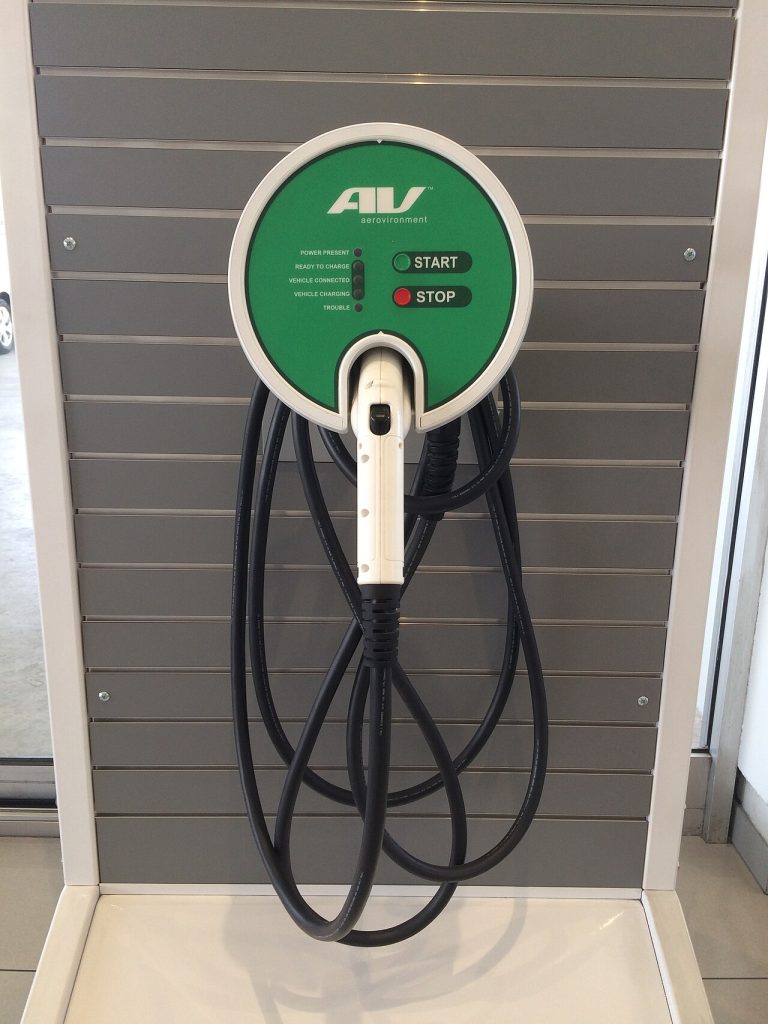
Featured image: AeroVironment Electric Car Charging Dock.jpg by TaurusEmerald, CC BY-SA 4.0, via Wikimedia Commons.