Aeroplanes have used automation for decades. Autopilots hold height and heading, and modern airliners can land themselves in the right conditions. What is new is the idea of autonomous aircraft that fly an entire mission with nobody on board, from take-off to landing. Companies building electric air taxis and cargo planes are testing exactly that.
In this article
This guide explains how autonomy in the air works, how it differs from the drones you may have seen, and why progress is deliberately slow.
Automation versus autonomy
The two words sound alike but mean different things. Automation follows rules set in advance: hold this height, follow this route, descend at this rate. If something unexpected happens, a human pilot takes over.
Autonomy means the system makes decisions itself. It can notice a changing situation, such as bad weather or a blocked runway, and choose what to do about it. The autopilot in an airliner is the familiar starting point. Autonomous aircraft take that further by also handling the judgement that pilots usually supply.
What autonomous aircraft need to fly themselves
A pilot does several jobs at once: sensing, deciding and acting. A self-flying plane has to do all three with hardware and software.
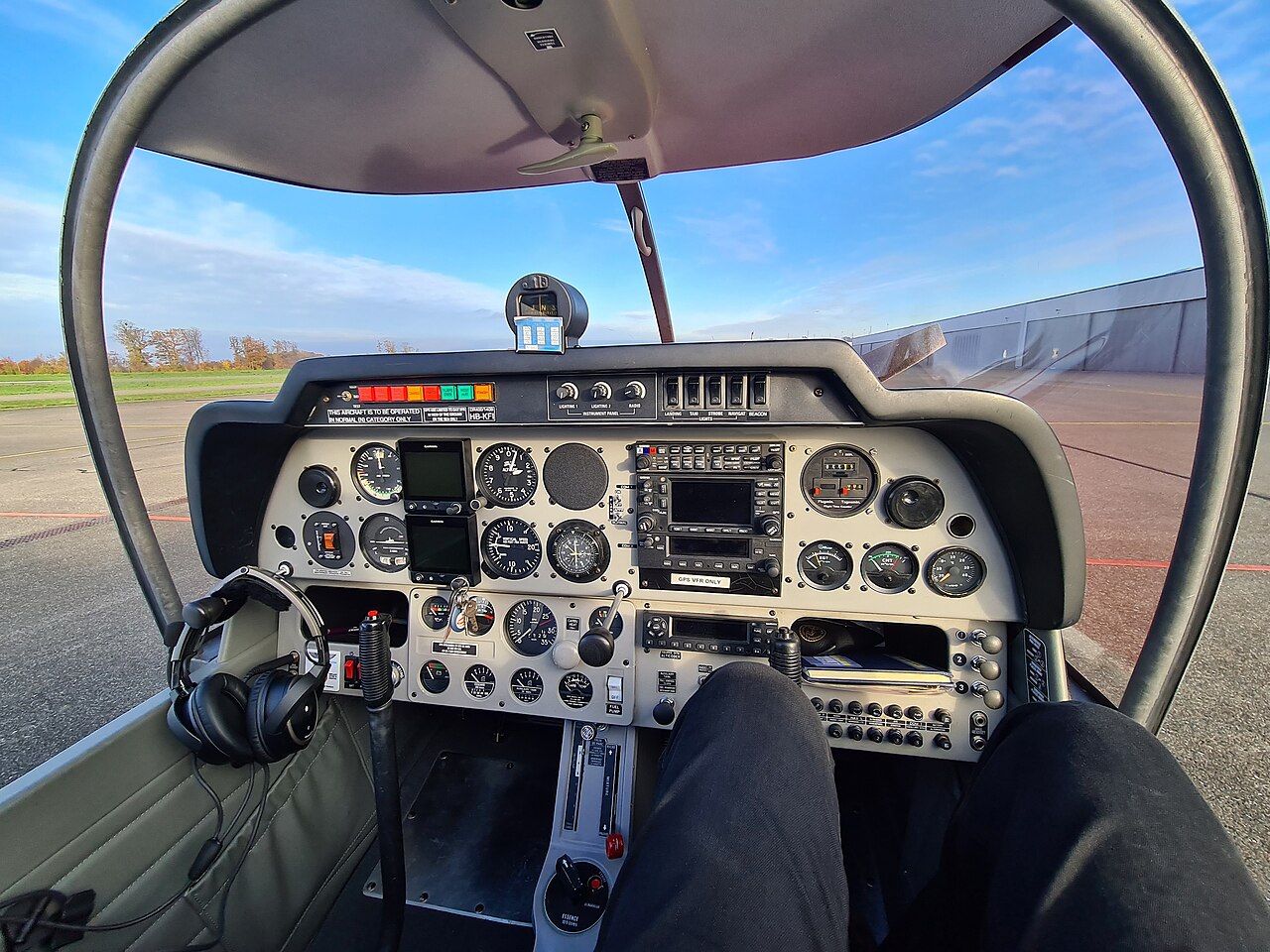
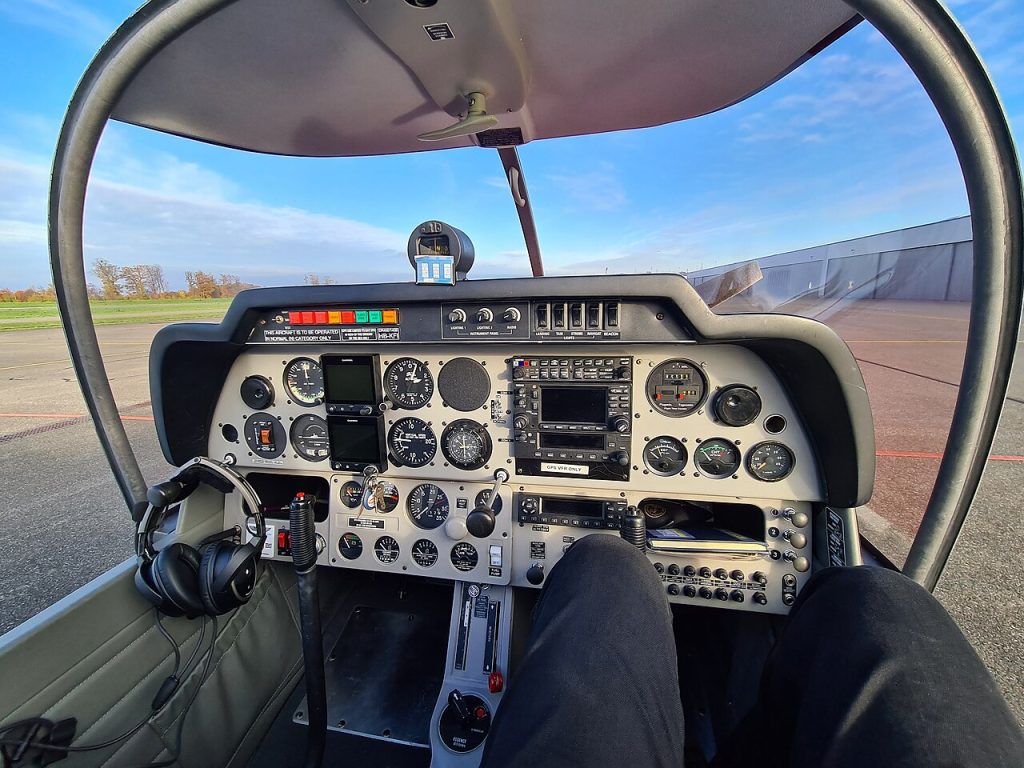
For sensing, aircraft carry GPS and inertial sensors to know where they are, along with air-speed and height instruments. On autonomous aircraft, cameras, radar and similar sensors watch for other aircraft, terrain and obstacles. Several sensors cover the same job, so one failing does not blind the system.
For deciding, onboard computers plan the route, monitor the health of the aircraft and choose what to do when things change. Parts of this use traditional, carefully tested software, because safety rules need behaviour that can be explained and checked. Machine learning may help with tasks such as recognising objects, but regulators are cautious about letting it make critical decisions alone.
For acting, the computer commands the control surfaces and motors, usually through fly-by-wire links that already exist on modern aircraft.
Redundancy is the key idea throughout. Autonomous aircraft normally carry duplicate computers, power supplies and flight controls, so a single fault does not bring the whole aircraft down. Designers also plan a safe fallback: if the main system fails, the aircraft should know how to reach a landing spot or hold a safe pattern until help arrives.
How autonomous aircraft differ from drones
A small hobby drone flies low, weighs little and carries nothing that could badly hurt anyone if it fails. Many are controlled by someone with a handset. Autonomous aircraft are heavier, fly faster and higher, and may carry people or valuable cargo over towns.

That raises the stakes. Rules for aircraft that carry passengers demand extremely low failure rates, backup systems and proof of safe behaviour in rare situations. A drone that falls out of the sky is an accident. A passenger plane doing so is a disaster.
Some projects sit in between: remotely piloted aircraft, where a person on the ground monitors the flight and can step in. This stage is common because it lets companies gain experience before removing humans completely.
Why progress is careful rather than fast
Several hard problems slow things down. Weather is one: gusts, ice and storms demand judgement that a program must handle safely. Another challenge for autonomous aircraft is communication with air traffic control, which relies on spoken instructions between people. Systems must learn to follow those instructions or use new digital links.

Then there is the rare event problem for autonomous aircraft. A self-flying system must cope with the odd bird strike, engine fault or medical emergency, and it is hard to test for situations that almost never occur. Regulators want evidence, and gathering it takes years.
Public trust matters too. Many people feel uneasy about boarding a plane without a pilot, and surveys of that kind of feeling tend to come out the same way across transport. We explored a similar question in our guide to riding a robotaxi for the first time, where comfort grows with experience.
Where autonomous aircraft may appear first
The first uses of autonomous aircraft are likely to be the least risky ones. Cargo flights over sparsely populated areas, inspection of pipelines and power lines, farm spraying and remote deliveries make sense, since a failure puts fewer people in danger.
Passenger flights with no pilot come later, if at all. A more likely path is a gradual one: a single pilot supported by more automation, then remote supervision, then, in limited places and for limited routes, no pilot on board. Each step needs to prove itself before the next.
Autonomous aircraft will also need safety limits that can be switched on from outside. The idea of shutting a system down safely is discussed in our article on AI safety brakes and off switches.
Training and maintenance change as well. Ground crews of the future may spend less time on cockpit equipment and more on sensors and software updates, while remote operators need new skills in supervising several flights at once. Those jobs do not vanish; they move to a different place.
For now, the practical message is modest. Flying is already one of the most automated activities in daily life, and autonomous aircraft are a careful extension of that, not a sudden leap. If you read a headline promising pilotless passenger flights next year, treat it with caution, and look for the regulator’s approval rather than the company’s announcement.