From time to time, you will see a report that some company building computing capacity for artificial intelligence has raised billions at a valuation worth even more billions. Those numbers are hard to picture. This explainer is not about any single report, and we will not confirm figures that have not been announced. Instead, let us look at what an AI infrastructure valuation actually means and why investors write such enormous cheques for it.
First, what is a valuation?
A valuation is the price implied by a funding deal. If an investor puts in a sum for a certain percentage of a company, you can work out what the whole company is being valued at. Put in a hundred for ten percent, and the implied value is a thousand. The same arithmetic sits behind every AI infrastructure valuation, however large the numbers look.
Two terms are worth knowing. The pre-money valuation is the value before new money arrives. The post-money valuation includes the new money. Headlines often quote the post-money figure.
A valuation is not cash in the bank. A company valued at billions may have raised only a fraction of that, and the rest is simply the price tag investors agreed to. It also is not a fixed truth. It is a negotiated number, based on expectations about the future.
What counts in an AI infrastructure valuation
AI infrastructure is the physical and technical base that makes AI systems run. It includes several layers.
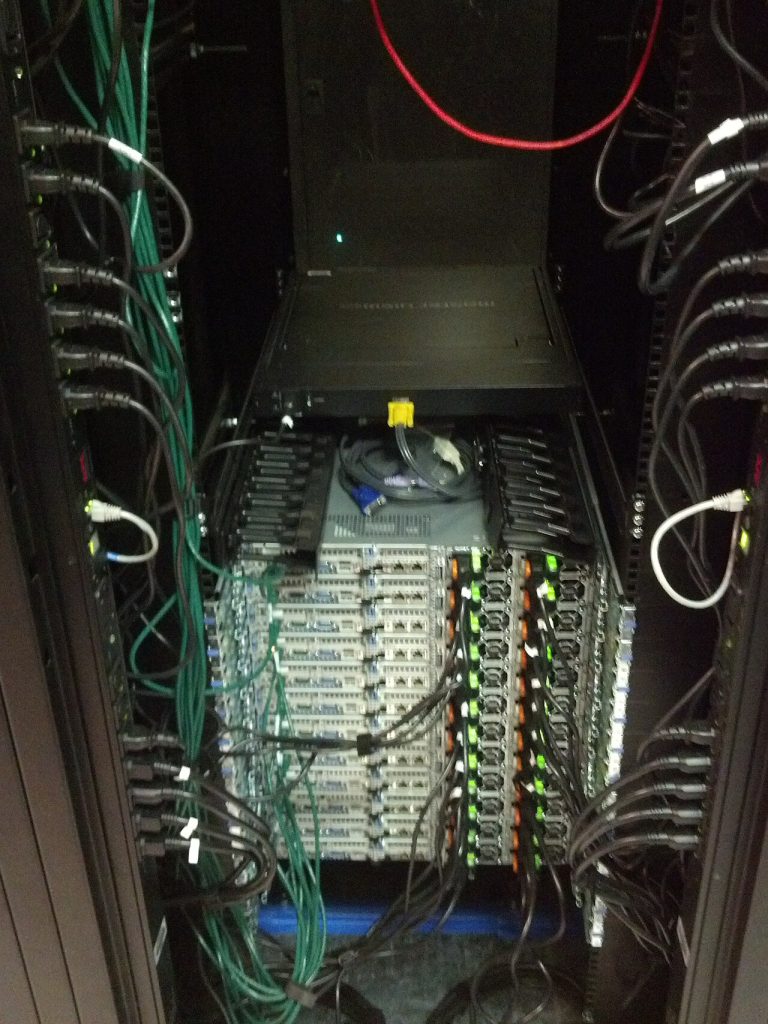
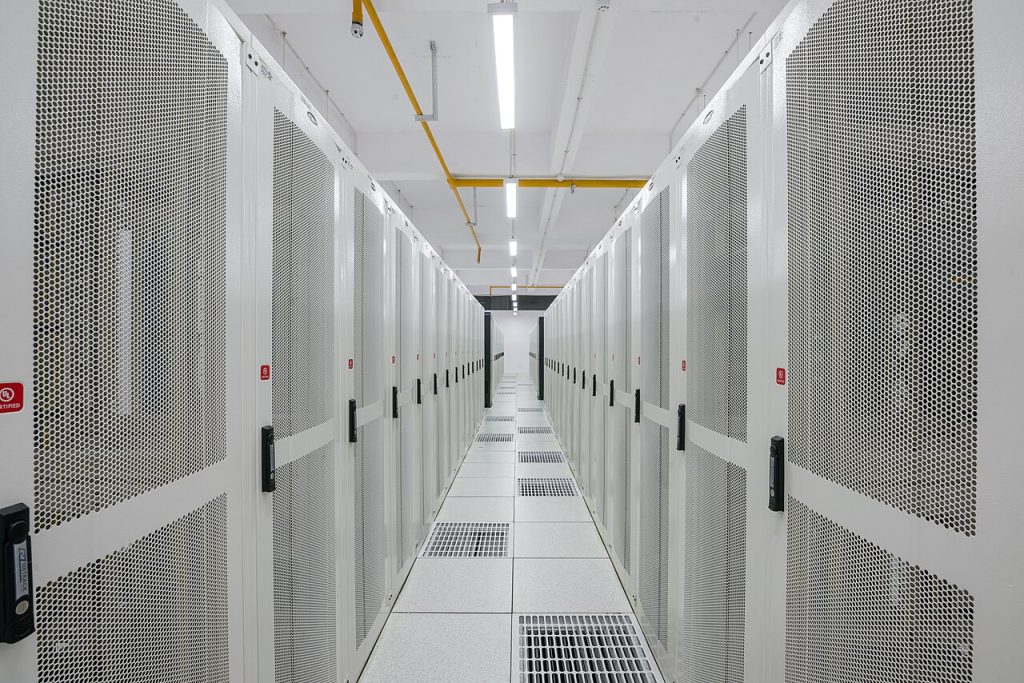
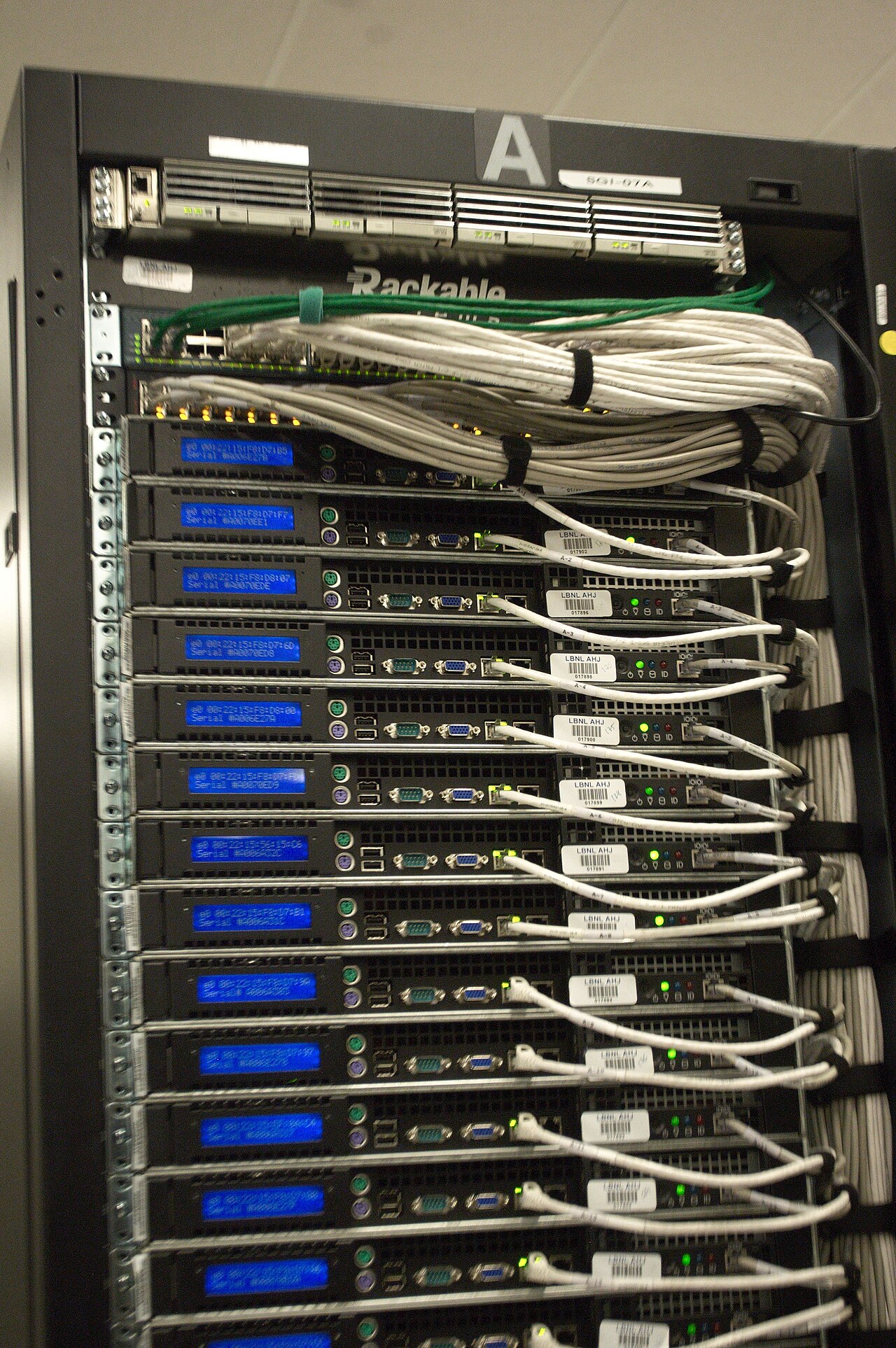
- Data centers: buildings full of servers, with power supplies, cooling and fast networking.
- Specialised chips: processors designed to handle the heavy maths behind training and running AI models.
- Cloud services: companies that rent out computing power by the hour so others do not have to build their own.
- Software tools: systems that schedule jobs, manage clusters and move data efficiently.
- Energy and land: power contracts and sites suitable for large facilities.
These businesses are capital-intensive. Buying chips, building facilities and securing electricity all cost large sums before a customer pays a bill. That is one reason an AI infrastructure valuation can look so high: the amount of money needed to operate at scale is itself huge.
Why investors pay so much for AI infrastructure
Investors are placing a bet on demand, and an AI infrastructure valuation is the way that bet gets a price. If AI tools keep spreading through businesses and consumer products, the need for computing power could keep growing. The companies that supply that power could then earn steady revenue for years.
There are other reasons too.
- Contracts: long agreements with customers can give predictable income.
- Scarcity: chips and power are limited, so owning capacity has value.
- Strategic interest: large technology companies may want a stake or a supply deal.
- Competition among investors: when many funds want in, prices rise.
But a high AI infrastructure valuation also assumes things go well. It assumes demand keeps growing, that the company can keep building, and that rivals do not undercut it. Each assumption carries risk.
What the headline number leaves out
When you read about a big AI infrastructure valuation, ask a few questions before you draw conclusions.
- Is the figure confirmed by the company or based on anonymous sources?
- Is it pre-money or post-money?
- How much of the money is equity, and how much is debt? Infrastructure firms often borrow heavily.
- Is the cash received at once, or released in stages?
- What do the company’s revenues and costs look like, and how much of its capacity is already contracted?
Debt matters a lot here. Building data centers is often financed with loans secured against equipment and contracts. That can magnify gains but also magnify losses if demand disappoints.
Customers matter as much as capacity. A data center full of servers earns money only if someone pays to use them, so the strength of an AI infrastructure valuation depends on how many buyers have signed up, how long their contracts last and how likely they are to stay. A handful of large customers can look impressive, but it also creates dependence.
The pace of technology matters too. Chips can become outdated, and a facility designed for one generation of hardware may need upgrades. Any fair AI infrastructure valuation needs to account for that wear and replacement, and for the energy costs that rise with every new rack.
How to read these stories sensibly
Treat any AI infrastructure valuation as an opinion held by a small group of investors at a particular moment, not as a measurement of worth. Valuations can fall as quickly as they rose if the mood changes or if funding dries up.
If you want to understand a company, look beyond the headline. Check its customers, its contracts, its debt and its ability to deliver on schedule. Look for reporting from sources that cite documents, and be wary of round numbers that appear without explanation.
For most readers, the main takeaway is simple. Big valuations tell you what investors hope will happen, not what has happened. They are a useful signal of where money is flowing, and a poor guide to whether any one company will succeed.
For a neutral background reference, the Wikipedia article on Valuation (finance) is a useful place to start.
Related reading: What an API Integration Platform Does, and Why Firms Buy Them and What Really Happens When a Giant Company Goes Public.