Every so often a headline announces that an artificial intelligence lab has agreed to spend an enormous sum on computing power over several years. Readers see a big number and a famous cloud brand and move on. Yet AI cloud compute contracts explain a lot about how this industry works, who has leverage, and why a few companies sit at the center of everything. Here is what these deals are, in plain terms.
Why labs need so much computing
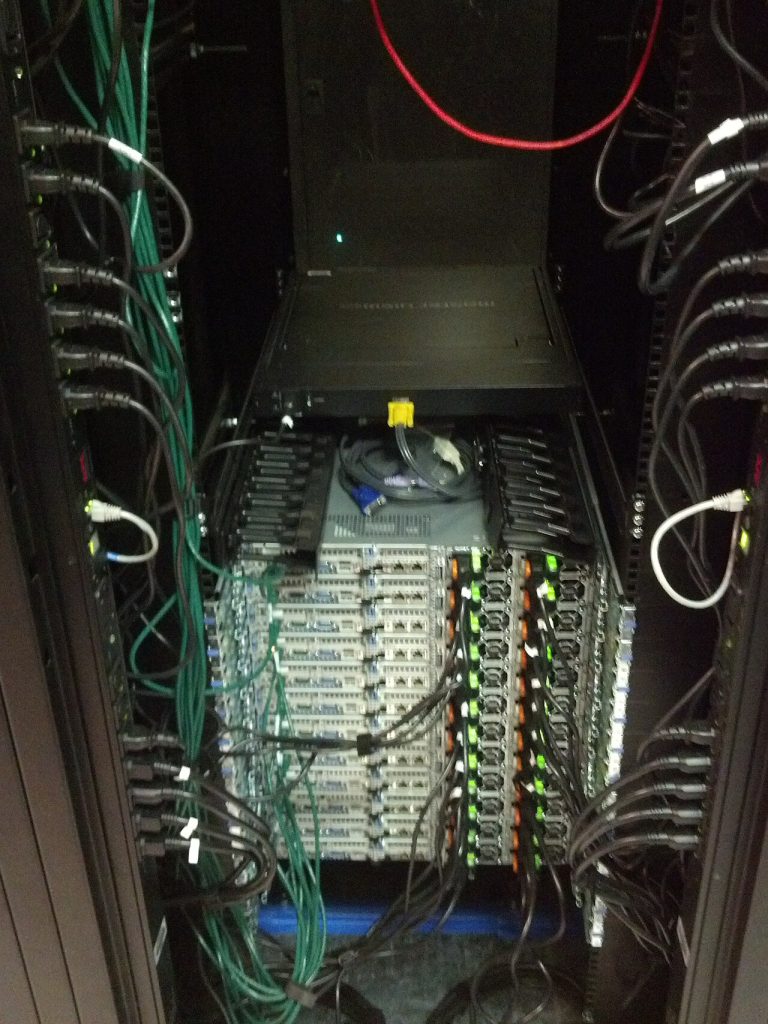
Training a large model means running huge numbers of calculations on specialized chips, usually GPUs or similar accelerators, wired together in clusters. Serving that model to millions of users needs still more hardware. Chips are expensive, in limited supply, and take time to install, along with the buildings, power, and cooling around them.
A research lab cannot simply order what it needs next week. Planning has to start long before a model is trained. That timing problem is the heart of the story.
What a long-term cloud deal usually contains
Details are rarely public, but the general shape is familiar from any big enterprise agreement. A lab commits to a minimum level of spending or capacity for a number of years. In return, the cloud provider reserves hardware, offers better pricing than pay-as-you-go, and often gives help with engineering and networking.
Think of it like booking a large block of rooms at a hotel well ahead of a conference. The hotel gets certainty and fills rooms. The organizer gets a lower rate and a guarantee that there will be space. AI cloud compute contracts work on the same logic, only with data center capacity instead of beds.
What each side gets
For the lab, the benefits are fairly direct.
- Guaranteed access to scarce chips when demand is high.
- Predictable costs, which makes budgeting and fundraising easier.
- Technical support from engineers who run huge clusters every day.

For the cloud company, the gains are just as clear. A committed customer provides revenue it can plan around and justifies building new data centers. It also keeps a promising customer on its platform, which matters because workloads that sit on one cloud tend to stay there. Moving petabytes of data and retooling software is slow and costly.
In some arrangements the cloud company also invests in the lab, and the lab then spends much of that money back on the provider’s services. Critics call this circular. Supporters say it is a normal way to align interests when both sides need each other. Either way, it is worth reading announced figures carefully, since a headline total can include optional capacity and spending spread over many years.
Where AI cloud compute contracts carry risk
AI cloud compute contracts are not free of danger. A lab that signs a multi-year commitment has to pay whether or not its products succeed. If revenue grows more slowly than planned, the bill still arrives. Hardware also ages, and newer chips can make older capacity look expensive.
The provider takes risk too. Building data centers ahead of demand ties up capital, and power and construction delays can slip. If a customer later struggles, the provider is left with capacity it must fill elsewhere.
There is a wider concern about concentration. When a few providers supply most frontier training capacity, smaller labs and startups can find themselves at the back of the queue. Some regulators have shown interest in whether such partnerships limit competition, though conclusions vary by country. If you want a comparison from another corner of the industry, see why bigger companies buy small AI startups, which turns on similar questions of access and leverage.
Why many labs spread their bets
Because of those dangers, a growing number of labs use more than one provider. Splitting workloads lowers the chance of being stuck if one company has an outage, raises prices, or runs short of capacity. It also gives the lab bargaining power. The tradeoff is complexity: software has to run across different environments, and moving data between clouds takes effort.
This theme links directly to the question of relying on a single AI model provider, which affects product teams as much as research labs. Dependence on one supplier is a risk at every layer of the stack.
It also helps to separate the contract from the relationship. AI cloud compute contracts are legal documents with minimum commitments, but the day-to-day relationship is closer to a partnership between engineers. Cloud teams tune networking, schedule maintenance, and sometimes co-design systems with the lab, because a cluster that sits idle is a loss for both sides. That cooperation is a hidden reason AI cloud compute contracts tend to be long: nobody wants to rebuild that trust from scratch every year.
For smaller companies the picture is different. A startup cannot sign a giant commitment, so it rents capacity by the hour and accepts less certainty. Seen from that angle, AI cloud compute contracts are a privilege of scale, and they widen the gap between the biggest labs and everyone else.
How to read the next announcement
When a new deal appears, a few questions cut through the noise. Is the amount a firm commitment or a ceiling? Over how many years? Does it include chips, networking, and power, or only some of them? Is the cloud company also an investor? And does the lab say it will keep using other providers?
Those answers tell you more about AI cloud compute contracts than the number itself. AI cloud compute contracts are, at heart, a bet that demand for AI will keep growing fast enough to justify enormous fixed commitments. Both parties hope the bet pays off, and both have good reasons to be a little nervous. For a reader, that is the useful frame: not a sign of inevitable triumph, but a negotiated trade of certainty for risk. You can learn more about the basic model of renting computing over the internet from this overview of cloud computing.