Put on a song you know well, then play the same song from a high-quality source and listen for what changed. For some people the answer is a lot. For others, nothing at all. That gap is the whole debate over lossless streaming, and it is worth settling before you pay extra for it. This guide explains what you get and who actually benefits.
What lossless streaming actually means
Most streaming music is compressed. The service removes parts of the audio that, according to models of human hearing, you are least likely to notice, which shrinks files so they stream easily on weak connections. This is lossy compression, the same principle as in MP3 files, though modern formats do it far better.
Lossless compression works differently. It shrinks the file without discarding any information, like a zip archive. When played back, the audio matches the original recording exactly, bit for bit, at the quality of a CD or better. Common formats include FLAC and ALAC.
Files are larger, so lossless streaming uses more data. A typical lossless stream can use several times the bandwidth of a standard compressed one.
Can you hear lossless streaming?
This is where honesty is needed. High-bitrate lossy audio from a good service is already very close to the original. In controlled blind tests, many listeners cannot reliably tell the two apart, especially on ordinary equipment and in noisy places.
Differences, when they exist, tend to appear in certain conditions:
- Well-recorded acoustic or classical music with wide dynamics and subtle detail.
- Good headphones or speakers, which reveal fine texture in cymbals, reverb tails and quiet passages.
- A quiet room, so subtle cues are not masked.
- Trained or attentive listening, which develops with practice.
On a subway with earbuds, or on a speaker the size of a coffee mug, the improvement is likely to be minimal.
It helps to picture a real listener. Someone commuting by train with wireless earbuds is listening to a compressed signal at the Bluetooth link whatever the app delivers, and the train noise hides subtle detail anyway. Someone at home on a pair of wired headphones, listening to a well-recorded album from start to finish, is in a position to hear the difference. The service and the price are the same. The listening situation is not.
Your equipment may be the bottleneck
To benefit from lossless streaming, the whole chain has to keep up. Many wireless headphones use Bluetooth codecs that compress the signal again between your phone and your ears, wiping out much of the advantage. Some codecs transmit at higher quality than the default, but only if both devices support them and are set up correctly. Wired headphones or a digital-to-analog converter avoid this issue.
Phone settings matter, too. Check that the app is set to stream lossless over your connection and that no equalizer or volume leveling is flattening the output. Also note that mobile data usage rises if you stream lossless away from Wi-Fi.
Spatial and high-resolution audio are separate things
Premium tiers sometimes bundle multiple features. Lossless refers to preserving quality. High-resolution audio uses a higher sampling rate or bit depth than CDs, which might matter in production but gives little audible benefit at home for most people. Spatial or immersive audio is a different matter: it places sounds around you using surround techniques and can be noticeable on compatible gear, though it can also change how a mix sounds.
When a plan advertises a higher tier, read the fine print to see which of these you actually get and on which devices.
One last consideration is the library itself. Lossless streaming matters little if the recordings you love were mastered poorly or loudly compressed in the studio. Older remasters sometimes sound worse than the originals, and no streaming tier can fix that. A catalog you enjoy, with good playlists and discovery, will do more for your listening than any bitrate.
Features beyond sound quality matter as well. Many services now stretch past music into spoken word, as described in audiobooks on a music app, and into social features, covered in when a music app becomes a social network. If those are what you use most, the audio tier may be the least important part of the bill.
How to decide if lossless streaming is for you
Try this simple test. Choose three tracks you know deeply, preferably well recorded. Listen to each on your best wired headphones in a quiet room, switching between standard and lossless without knowing which is which if you can get a friend to help. If you consistently pick out the better one, the upgrade has value for you. If you cannot, save the money.
Also weigh the cost against everything else you pay for. If the price difference is small and you already own good equipment, there is little downside. If it is large, good headphones will improve your listening far more than a higher tier will.
Lossless streaming is a fine option for the right listener, and an unnecessary one for everyone else. In the end, the best sound is the one you are happy to keep listening to. Fidelity matters, but so does having the song you want when you want it.
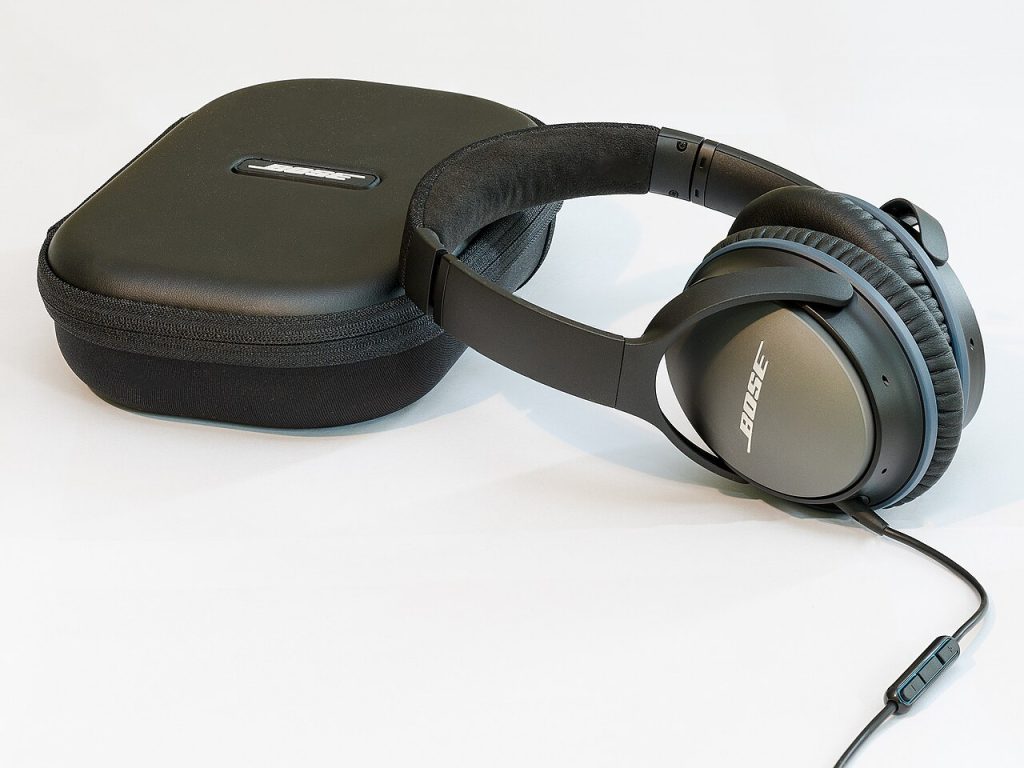
Image: Florian Fuchs / Wikimedia Commons, CC BY-SA 3.0.