
Text moderation has a long head start. Filters, reports and classifiers have been scanning written messages for years. Voice is harder. Someone shouting at a teammate in an online match leaves no transcript, no screenshot and often no witness except the other players in the call. As voice chat has spread in games and apps, so has demand for voice AI moderation, software that can listen.
Companies building voice models and analysis suites target this gap, and the same core techniques also serve call centers, fraud prevention and accessibility. It is worth looking at what the systems actually do, starting from speech recognition and moving outward.
Why voice AI moderation needs more than a transcript
The simplest approach converts speech to text and then analyzes the words. That works for explicit slurs or threats, and speech recognition has become impressively good. But it throws away most of what makes speech human.
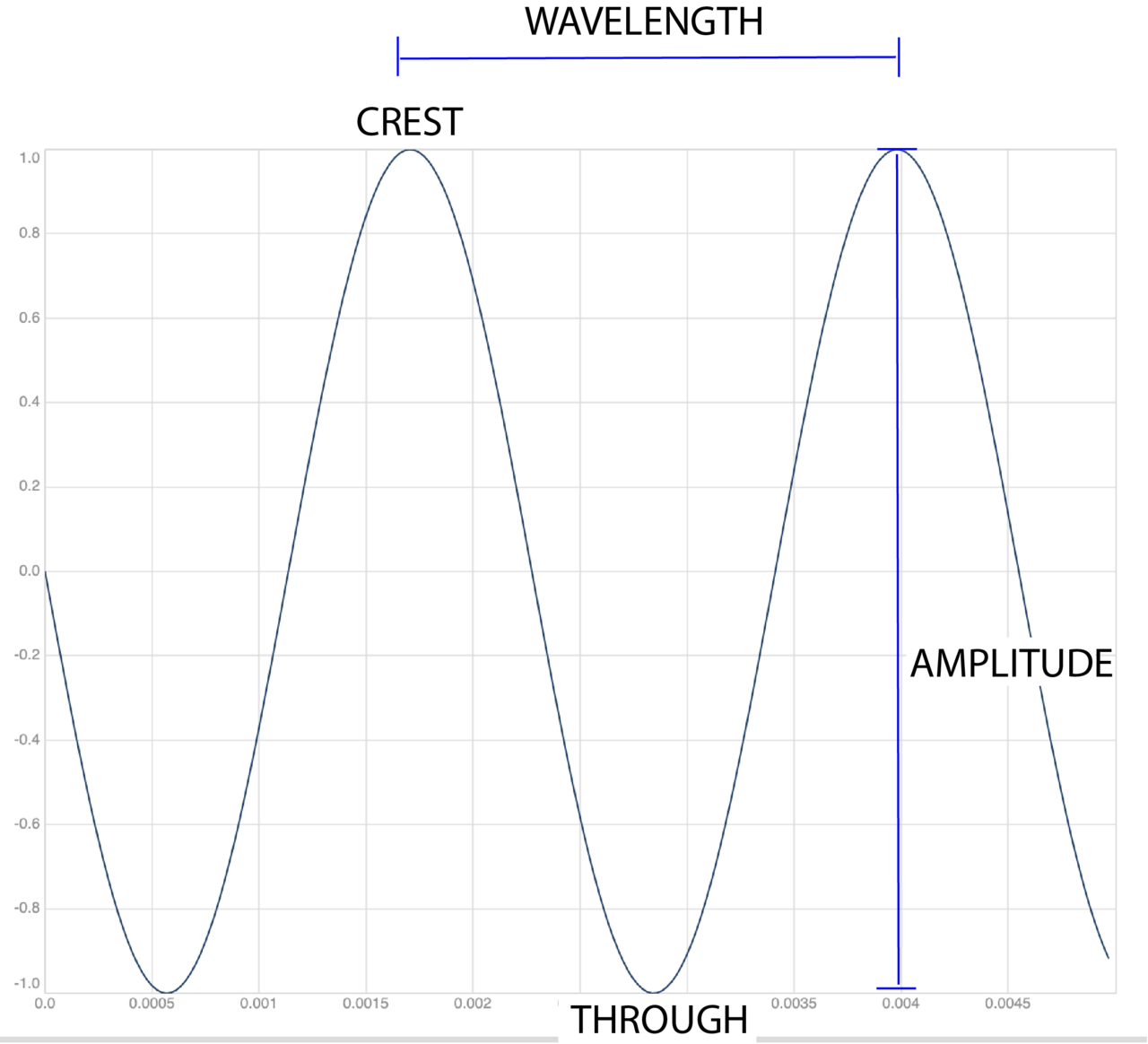
Tone, pace, volume and pauses carry meaning. The phrase nice shot can be a compliment or a taunt, depending on how it is said. A model that analyzes the audio signal directly, alongside the text, can pick up on aggression, laughter, sarcasm, distress and other cues that a transcript alone cannot show.
That is the central idea behind voice-focused systems: treat sound as a rich data type with its own patterns, not as a noisy path to text.
How such a model gets trained
Researchers collect large sets of audio clips with labels, such as friendly banter, harassment, hate speech, or a scam attempt. Human reviewers listen and mark them. A neural network learns to associate acoustic and linguistic features with those labels, then is tested against audio it has never heard.
The quality of the labels matters enormously. Different people disagree on what counts as offensive, and context shifts the answer. Trash talk between friends in a competitive game sounds a lot like abuse, and a system that cannot tell them apart will either miss harm or punish normal play.
Where voice AI moderation is useful
- Online games and social apps. Voice AI moderation can flag toxic speech in real time so moderators can intervene, mute a player or review a recording.
- Customer service. Detecting frustration in a caller and routing them to a senior agent, or summarizing calls for quality review.
- Fraud and security. Spotting synthetic voices or patterns common in scam calls.
- Accessibility. Better captioning for accents, noisy rooms and multiple speakers.
Speed matters in a way it does not for text. A harassing message can be deleted after the fact, but a shouted insult is gone in a second and the damage is done. That pushes vendors to run models close to the player, an approach with the same logic as edge computing for robots, where waiting for a distant server is too slow.
It also helps to separate detection from action. A system can detect a probable problem, but what happens next is a policy choice: a warning, a temporary mute, a review by a human, or a ban. Studios that start with gentle steps usually get fewer disputes than those that jump to penalties.
The hard problems
Accents and dialects. Models trained mostly on one kind of speaker can misread others, flagging ordinary speech from some groups more often. Responsible vendors test performance across languages, ages and regional accents and publish results.
Context. Voice AI moderation hears a clip, not the relationship between speakers. Reclaimed slang, quoted language and jokes cause errors.
Latency and cost. Analyzing live audio in real time for millions of players is expensive, and the compute bill is a reason teams look at GPU abstraction layers to cut AI costs. Many systems sample or analyze only after a report is filed.
Deepfakes. Voice cloning is now cheap, which creates both a new fraud threat and a new reason for detection tools.
Privacy and consent
Recording and analyzing what people say is not a small thing. Laws differ widely about whether all parties must agree to recording, and some jurisdictions treat voice as biometric data with strict rules. Emotion detection in particular faces skepticism, because the science of reading feelings reliably from voice is less settled than product pages suggest.
Good voice AI moderation includes telling users plainly when voice is monitored, keeping recordings only as long as necessary, restricting who can listen, and allowing appeals when someone is penalized. Automated judgments should prompt human review for serious actions, not replace it.
Evaluation deserves its own mention. When a vendor claims high accuracy, ask which languages, audio quality and background noise levels the test covered. A model that shines on clean studio recordings can stumble on a laggy headset in a loud living room, which is the real environment for most players and callers.
For parents and players, the practical advice is simple. Look for clear controls to mute and report, check whether voice chat can be limited to friends, and read what the service says about recording. Voice AI moderation works best as one layer next to those human tools.
To sum up, voice AI moderation can reduce harm in spaces that were previously close to unpoliced, and it can make support calls less painful. But a confident score from a model is a hint, not a verdict. The best deployments treat it that way, using it to focus a human’s attention on the clips that most need it.
Image: Raimond Spekking / Wikimedia Commons, CC BY-SA 4.0.



