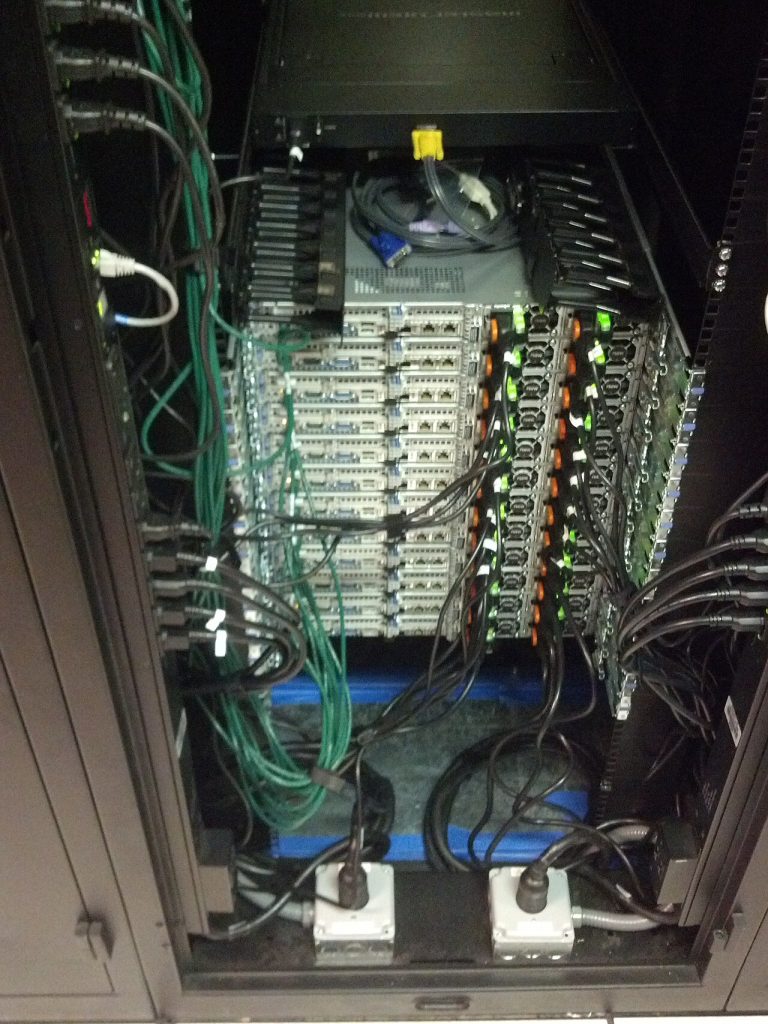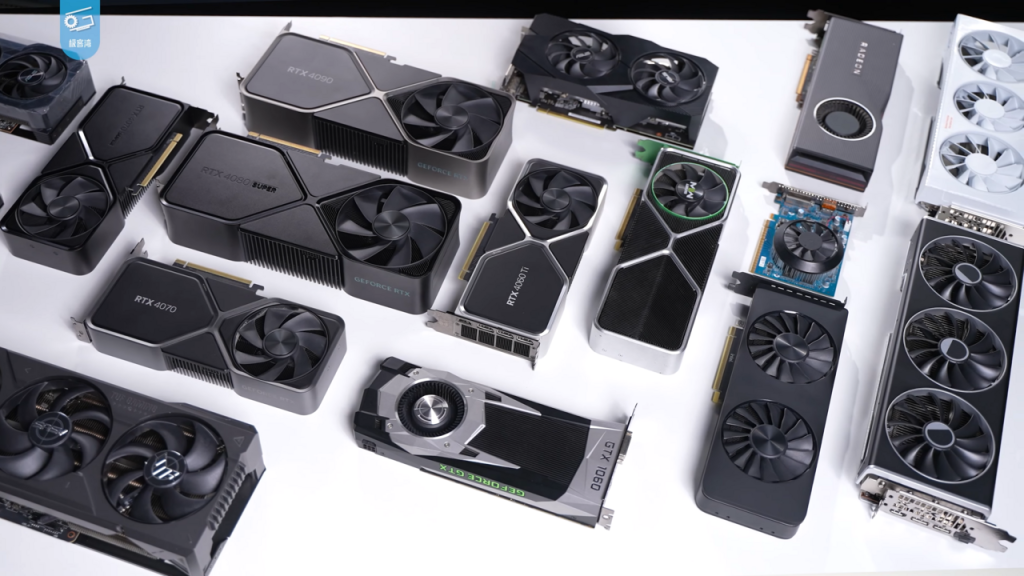
Ask a machine learning engineer where the money goes and you will hear the same complaint: a rack of expensive accelerators that sits at a fraction of its capacity. A model gets trained, the job ends, the GPUs idle until someone remembers to release them. Meanwhile another team waits in a queue for hardware. The expense is not just the chips. It is the poor fit between how AI work arrives and how hardware is rented, and that is the problem GPU abstraction tries to solve.
Where the waste hides
Several patterns combine to make AI infrastructure inefficient. Development work is bursty: an engineer writes code for an hour, runs an experiment for twenty minutes, then reads results. If a whole GPU is reserved for the engineer all day, it is busy for a small slice of it. Inference workloads have a similar problem, since traffic rises and falls but capacity has to cover the peak.
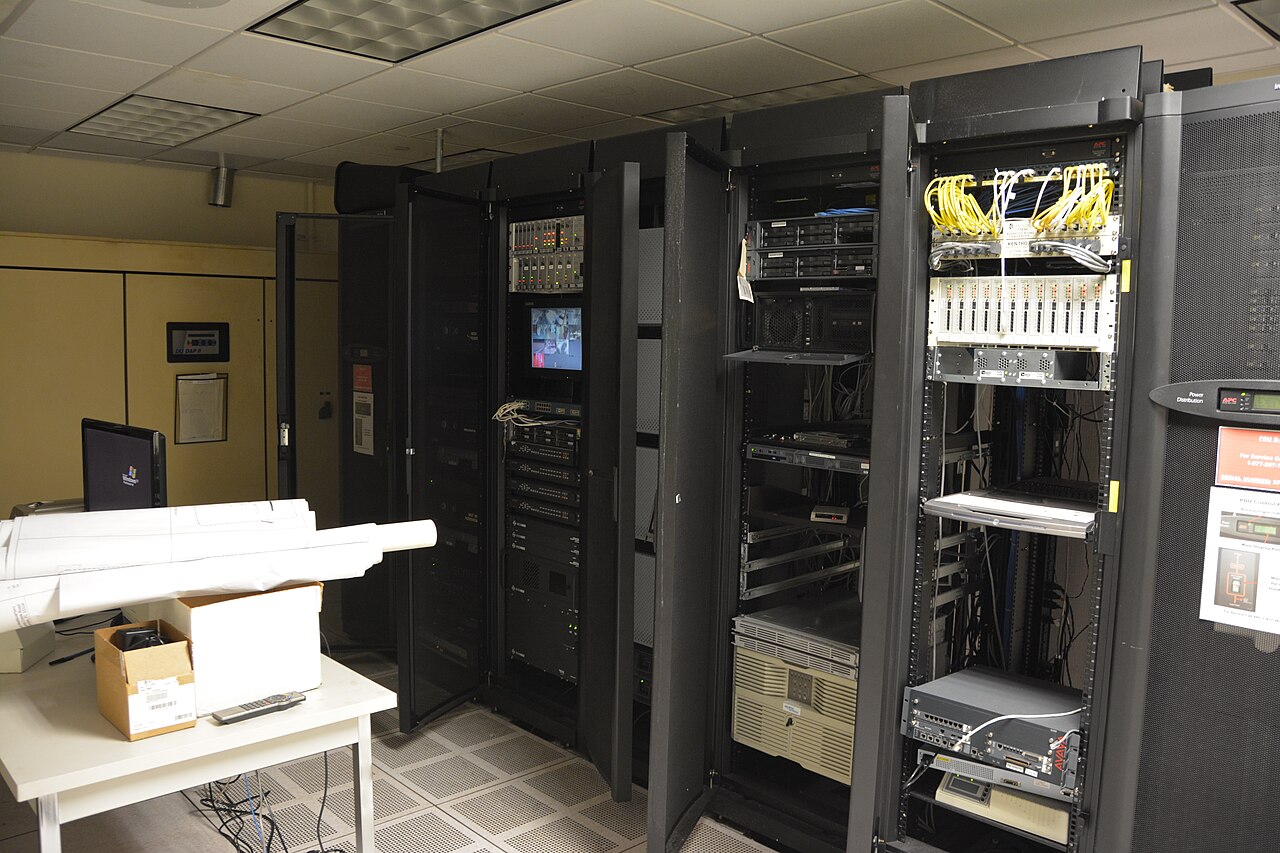
Then there is a mismatch between the task and the chip. Part of an AI pipeline, such as loading data, resizing images or tokenizing text, runs on ordinary processors, yet it often shares a machine with the GPU. The expensive device waits on the cheap one. Fixing that bottleneck can improve utilization without buying anything.
What GPU abstraction means here
The idea behind GPU abstraction is to separate the code a developer writes from the machine it runs on. Instead of saying run this on that specific server with that specific card, the developer submits a job to a layer that decides where it goes. That layer can do several useful things.
- Remote execution. The code runs on a laptop or cheap instance, while the heavy tensor operations are sent to a pooled GPU somewhere else.
- Sharing. Several lightweight jobs can occupy one device at once rather than each claiming a whole card.
- Scheduling. Jobs are placed where capacity exists, including in different regions or from different cloud providers.
- Portability. A model written for one vendor’s hardware can run on another’s without rewriting, which gives buyers leverage on price.
The costs of the clever approach
None of this is free. Sending computation over a network adds latency, and for workloads that exchange large amounts of data between steps, that delay can swallow the savings. Sharing a device means jobs can interfere with one another, so a noisy neighbor slows your run. Debugging gets harder when you cannot tell whether a slowdown comes from your model, the scheduler or the network between them.
There is also a dependency risk. If a layer sits between your code and every piece of hardware, you rely on that layer’s compatibility with new frameworks and new chips. When a major framework releases an update, the abstraction has to keep up. Teams should ask how quickly it has historically supported new versions.
Training large models is where these costs bite hardest, which is why efforts such as building language models for many Indian languages have to plan compute as carefully as data. A graphics processing unit was designed for massively parallel arithmetic, so it earns its price only when it is kept busy. That single fact explains most of the waste described above.
Tooling in this area also moves quickly, and some GPU abstraction products come from small startups that larger vendors later acquire. Ask what happens to support and pricing if your supplier changes hands.
A checklist before adopting
Before trying any GPU abstraction layer, measure what you have. Many teams skip this and then cannot tell whether a tool helped.
- Record average GPU utilization over a week, not just during training runs.
- Separate development, training and serving costs, since the right fix differs for each.
- Check how much time engineers spend waiting for hardware.
- Look at data loading speed, because a slow input pipeline makes any accelerator look underused.
If utilization is below a third and engineers queue for hardware at the same time, you have a scheduling problem and GPU abstraction is a plausible cure. If utilization is high and bills are still large, you may need a smaller model, better batching or lower precision instead.
Cheaper tricks before GPU abstraction
Before adding infrastructure, there are well-known methods to cut cost. Mixed precision training lowers memory use and often speeds up runs. Batching requests during inference raises throughput. Spot or preemptible instances cost much less than on-demand ones if your job can checkpoint and resume. Turning off idle notebooks automatically is dull but effective. Distilling a large model into a smaller one for production can reduce serving expense dramatically with an acceptable quality loss.
Where this is heading
Hardware choice is widening. Besides the dominant GPU makers, there are alternative accelerators and cloud-specific chips, each with its own software stack. As that variety grows, the value of GPU abstraction software that hides the differences grows too, as long as it doesn’t hide the cost of using it. For a buyer, the key is simple: insist on measured numbers from your own workloads, and treat any promise of big savings as a hypothesis until a pilot confirms it.
Image: 极客湾Geekerwan / Wikimedia Commons, CC BY 3.0.