
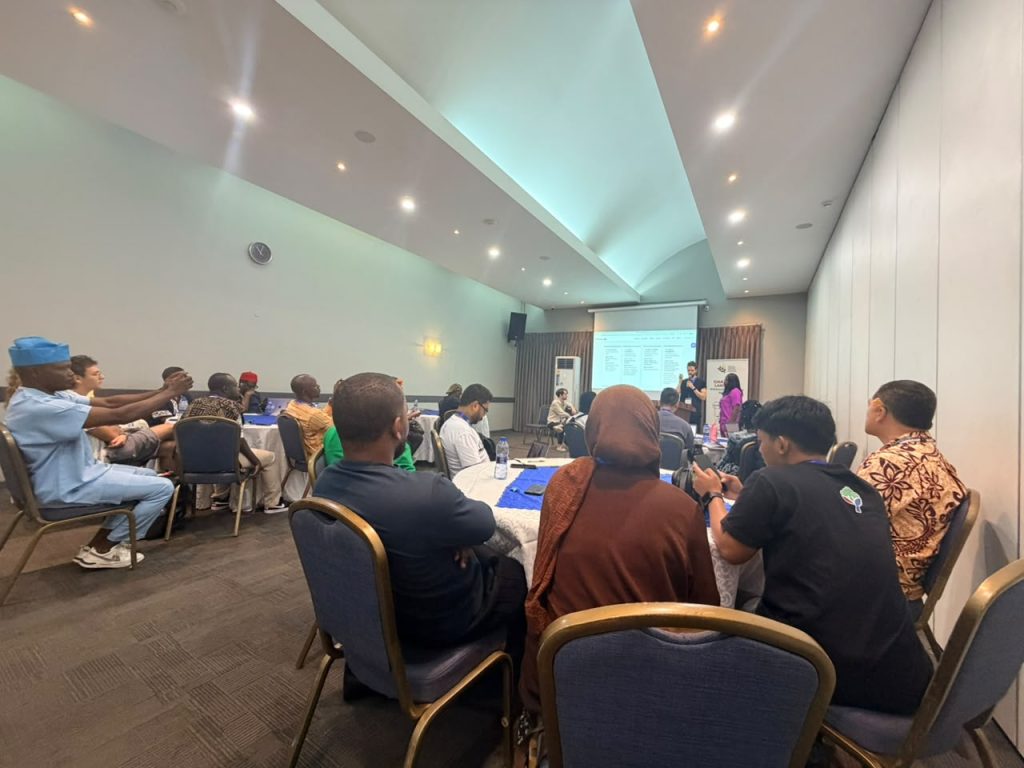
Every autumn, a large startup conference descends on a city, and a second conference springs up around it. Banks, government agencies, venture funds and software companies host breakfasts, rooftop drinks, workshops and dinners on the margins. Lists of these side events, with hosts ranging from fintech firms to national investment agencies, circulate weeks in advance. For many founders, the real business of the week happens at these smaller gatherings, not on the main stage.
Why side events matter
Large conferences are crowded and noisy. A founder can spend three days walking between booths and come home with a bag of stickers and few real conversations. Side events are smaller and more focused. A breakfast for fifty climate founders or a workshop on selling to enterprises puts you in a room with people who share your problems, and the host has usually invited guests deliberately. That raises the odds of a useful introduction.
Who hosts them and why
- Financial firms want to meet startups that will need accounts, cards and credit.
- Government agencies from various countries promote their regions to founders who might open an office or hire there.
- Venture funds look for deals and want to be visible to founders and co-investors.
- Software vendors hope to attract early customers with tools and credits.
- Service firms such as law, accounting and recruiting offer education and meet potential clients.
Knowing the host’s motive helps you decide what to expect. A free dinner is rarely free; the host wants something, and that is fine if you want something in return.
How to choose which to attend
- Start with your goal. Are you raising money, hiring, selling, or learning? Pick events that match.
- Check the guest profile. Look for details on who is invited and how many people will attend.
- Prefer smaller rooms. Thirty to eighty people is usually the sweet spot.
- Avoid overbooking. Three well-chosen events beat ten rushed ones.
- Apply early. Popular events fill up, and many require approval.
How to prepare
Write a two-sentence description of your company that a stranger can understand. Add one fact that proves traction, such as customers, revenue growth or a notable partner. Decide whom you want to meet and look them up before the event, so you can recognize them or request an introduction from the host. Bring a way to share contact details quickly, whether a card, a QR code or a LinkedIn profile ready to open.
How to behave once you are there
- Ask questions before you pitch. People remember being listened to.
- Offer something useful, like an introduction, a tip or feedback.
- Do not monopolize one person, and do not hover around the most famous guest.
- Take brief notes after each conversation, because you will not remember them all.
- Go easy on the drinks; reputations are made and lost in the evening.
The follow-up is the point
Most of the value is lost because founders never follow up. Within two days, send a short message to each person you met. Mention something specific from your conversation, state any next step plainly and keep it brief. If someone offered an introduction, make it easy by writing a short forwardable paragraph. A single clear message beats a long pitch deck.
A sample two-day plan
On the first morning, attend a breakfast aimed at your sector and meet three people. Spend the afternoon at the main conference only for talks that matter, then end the day at a smaller dinner hosted by a fund or service firm. On the second day, book one workshop that teaches a concrete skill, such as pricing or hiring, and keep the evening free to follow up on messages while the conversations are fresh. Leave gaps in your calendar; some of the best introductions happen in the line for coffee, and nobody has a good conversation while sprinting between venues.
Making the most of a limited budget
Conferences are expensive, but side events are often free or cheap. If you cannot afford a main pass, you can still attend many gatherings, meet people in the cafes and hallways nearby and watch the livestreamed talks. Share rooms, travel at off-peak times and apply for any startup discounts the organizers offer.
The takeaway
Treat the conference as a city full of opportunities, not a single building. Choose a few events that match your goals, prepare a clear introduction and follow up quickly. The founders who get the most from the week are rarely the loudest ones; they are the ones who showed up with a plan.



