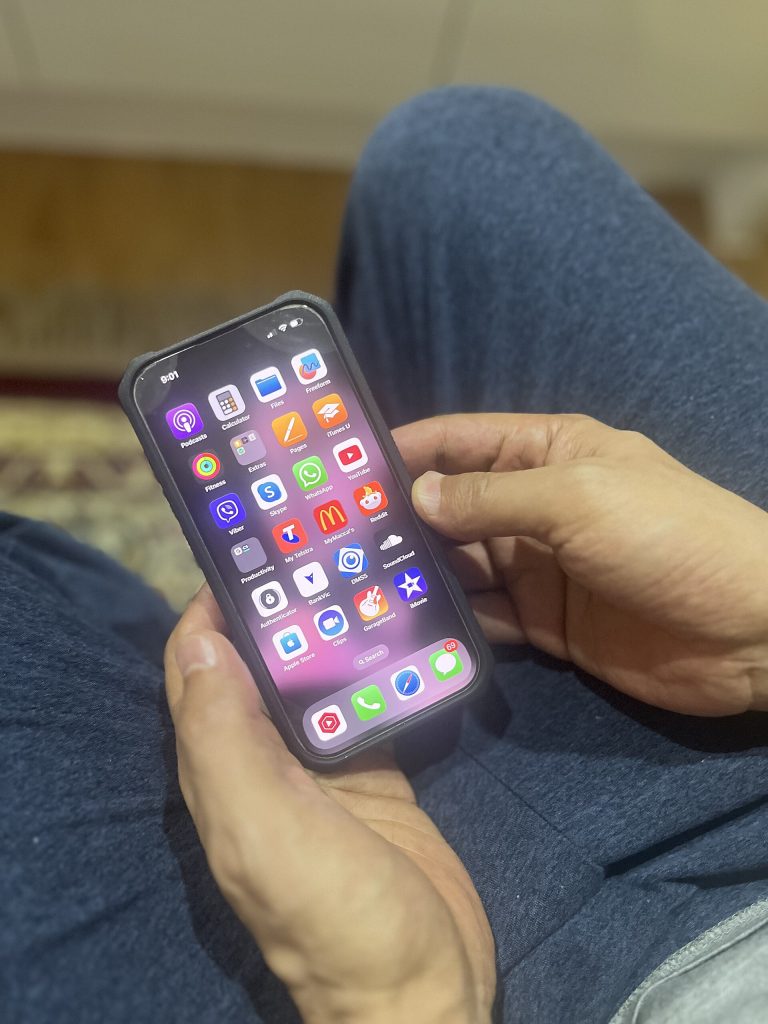
Every September, the smartphone conversation turns to the newest iPhone, and this year a particular question hangs over it: where is the smarter Siri? Apple has promised a more capable, AI-driven assistant for some time, and the new iPhone 17 devices arrive without it. Critics see a missed opportunity. A more practical view says that, for the majority of buyers, the missing feature changes less than the headlines suggest.
What was expected
Voice assistants were supposed to become much more useful with generative AI. The vision is of a Siri that understands context, can act across apps, remembers what you were doing and handles follow-up questions in natural language. Competitors have been rolling out their own versions, so the pressure on Apple has been high. Delays suggest the company wanted the experience to be reliable before shipping it.
Why many buyers will not notice
- Habits change slowly. Most people use voice assistants for a handful of simple tasks: timers, calls, music and messages. Those work today.
- Hardware matters daily. Camera quality, screen brightness, battery life and speed shape your experience every hour, while a smarter assistant is a feature many people try once or twice.
- Software can arrive later. Features are delivered through updates, so a phone bought today can gain new abilities as they become available.
- Existing AI tools exist. People can already use third-party chatbots and writing tools in apps they have installed.
What to weigh when upgrading
- Your current phone’s age. If your battery has faded or the system is slow, a new model gives immediate benefits regardless of Siri.
- Camera needs. Compare sample photos and video features, especially in low light.
- Storage. Photos and videos fill space fast; pay for what you will use over several years.
- Trade-in value. Carriers and retailers often offer more than you would get selling privately, but check the conditions.
- Software support. Apple supports phones for many years, so a recent model stays current for longer.
The case for waiting
If the main reason for upgrading is the promise of AI features, patience is reasonable. The first version of any assistant overhaul is likely to have rough edges, and prices on current models usually fall after the launch season. Earlier models often receive the same updates, so buying the previous generation can be a smart way to save money. And if the new assistant requires a particular chip, check which devices will support it before deciding.
The strategic angle for Apple
Shipping late is risky because rivals use their AI features in advertising. But shipping a flawed assistant is riskier, since Siri’s reputation is already mixed. Apple has historically preferred to arrive later with a polished experience, and it controls both the hardware and the software, which helps in making features work smoothly. Its emphasis on privacy, handling more tasks on the device itself, also slows development because it limits how much processing can be offloaded.
What to do while waiting
- Learn the Shortcuts app, which can automate tasks across your phone without a smarter Siri.
- Try dictation and text replacement for faster messaging.
- Use focus modes and notification summaries to cut distractions.
- Keep your phone updated so new features reach you when they arrive.
What you can already do with your iPhone
Many owners barely use what is built in. Live text lets you copy words from photos, the camera can identify plants and landmarks, and on-device dictation has become far more accurate than it was a few years ago. Notification summaries and focus filters reduce interruptions, while shortcuts can chain several actions into one tap, such as texting your estimated arrival time to a family member when you leave work. These are the sort of everyday conveniences that make a phone feel smart, and none of them depend on a new assistant. If you spend an evening exploring settings, you will probably find at least three features that save you time every week.
Reading the launch with a cool head
Annual launches invite excitement, but the best measure of a phone is how it feels after six months. Check reviews that test battery life, heat and camera consistency over weeks, not just first impressions, and decide with your own priorities in mind.
The takeaway
The absence of a smarter Siri is a genuine gap in a market where AI is the talking point, but it is not a reason to dismiss an otherwise strong phone. Buy for what the device does today, because that is what you will use every day. If the assistant improves later, consider it a bonus, not the reason to spend money now.