

Picture buying a prepaid phone plan where each megabyte is counted, and then discovering that one particular app is free to use. No balance drops when you scroll through it. For a person who can afford very little data, that offer, known as zero-rated data, is hard to ignore, and it is also the center of a long-running policy dispute.
How zero-rated data works
Mobile operators measure data usage and bill or deduct accordingly. Zero-rating, or zero-rated data, means traffic to selected services isn’t counted against the plan. The operator identifies that traffic by the destination address, the domain name or other signals, and excludes it from the meter. A related variation is a sponsored arrangement, in which the company behind the service pays the operator for the data its users consume.
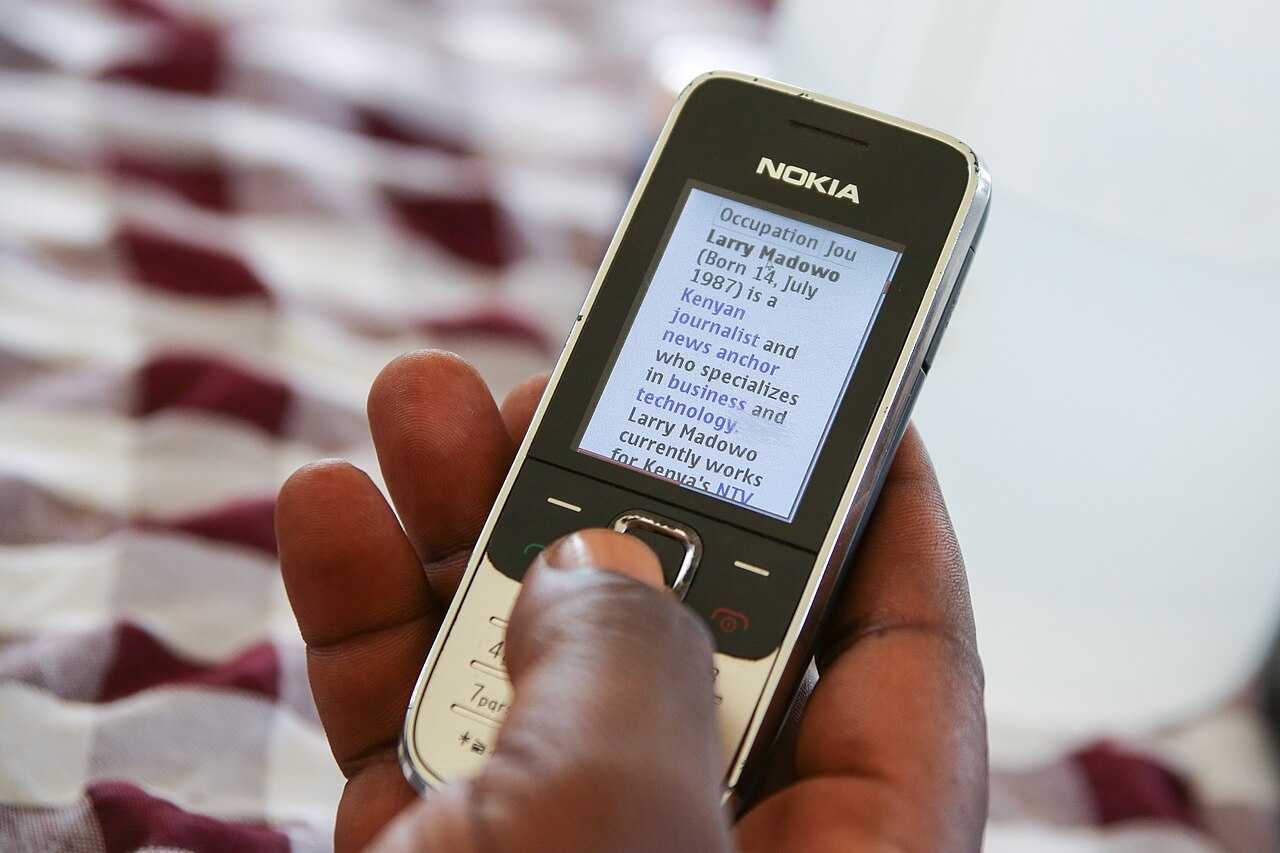
Some versions go further and offer a stripped-down mobile site: text-heavy pages with low-resolution images that load quickly on slow networks and cost the operator less to deliver.
The case for zero-rated data
Supporters point to access. In places where data costs are high relative to income and many people have never been online, a free taste of the internet can bring in new users. Some who start with a free app later buy data to explore more. Companies see the benefit too, because it expands their audience, and operators can attract subscribers by offering something extra.
For people with strict budgets, free access to messaging or an information service can be genuinely useful, such as staying in touch with relatives or checking health information.
The argument against it
Critics focus on fairness among services. If one app is free and its competitors cost money, users will favor the free one regardless of quality. That tilts the market toward established companies that can afford sponsorship deals, and makes it harder for a small startup to gain traction. It also risks creating a two-tier internet, in which poorer users see only a curated slice of services without realizing there is more.
This is where net neutrality enters. The principle says internet providers should treat all traffic equally and not favor particular sources. Zero-rating, by definition, favors some traffic. Regulators have reacted differently: some countries restrict or ban it, others allow it case by case if the offer is open to any provider on equal terms, and others have little formal policy. Rules also change over time, so check current law in your region.
What an open version looks like
Many policy experts say the problem is not the free data itself but who gets to decide. An approach that opens the program to any service meeting transparent technical requirements, with no payments for selection, is treated more favorably than one run by a single company choosing partners. Others argue for giving every user a small, free data allowance to use on anything, which meets the access goal without picking winners.
A concrete case: a prepaid customer buys a small bundle each week. A messaging app is zero-rated, so chats and voice notes cost nothing, but opening a link from a chat to a news site takes data from the bundle. The user learns quickly where the free boundary lies. Zero-rated data like this can feel generous, and it can also quietly steer behavior toward the favored app.
That steering is why regulators look closely. They ask whether the offer is open to all providers, whether prices are transparent, and whether small services are disadvantaged. The same cost pressure explains why lightweight messaging apps thrive on cheap phones and weak networks, and why even a mobile people-search app has to be built light. For the policy background, see Wikipedia’s article on net neutrality.
What users of zero-rated data can do
- Understand what’s free and what isn’t. Clicking an outside link from a free app may start charging you.
- Check whether images, video or login steps use paid data.
- Watch for data-saving modes in the apps you use, which help whether or not anything is zero-rated.
- Compare plans on total price per gigabyte rather than on bundled extras.
What builders should consider
If you make a product for markets with limited data, design it to be light: small downloads, compressed media, offline modes and graceful behavior on weak connections. These choices help every user and reduce reliance on special deals. If you consider partnering with an operator for zero-rating, think through the dependency it creates and what happens if the arrangement ends.
The debate over zero-rated data won’t be settled soon, because both sides care about something real: getting more people online, and keeping the internet open to whoever builds the next good idea. The tension between them is the interesting part, and it’s worth keeping in mind each time a free offer shows up.
Questions to put to your operator
If you are deciding whether zero-rated data is worth using, ask a few direct things. Which services are included, and who chose them? Is there a limit on usage per month? Does the offer work when you roam? And is there any difference in speed for free traffic compared with paid traffic? Honest answers will tell you whether the deal is a genuine help or mostly marketing.
Image: photobankmd / Wikimedia Commons, CC0.



