Replacing a fleet of delivery vans or service vehicles with electric ones sounds simple on paper. Lower fuel costs, fewer emissions and quieter operation. In practice, fleet electrification involves many moving pieces, and some projects have run into trouble.
Why fleets are a good target
Delivery and service vehicles drive predictable routes and return to a depot each night, which suits charging. They also cover many miles, so savings on fuel and maintenance can add up. Governments and large companies set climate goals that fleet electrification can help meet.
The supplier risk
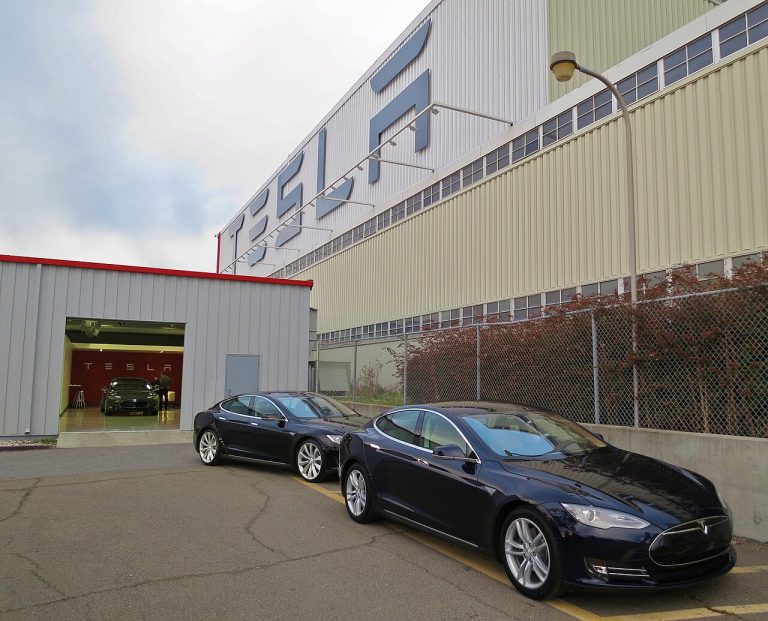
Electric vehicle makers range from established automakers to young startups. A startup may promise a purpose-built vehicle, but financial trouble or production delays can leave customers without vehicles or support. When a supplier struggles, fleet plans can be thrown off track, and buyers may be left with vehicles that are hard to service.
Fleet managers should evaluate a supplier’s finances, production capacity, parts supply and service network as carefully as the vehicle itself.
Charging infrastructure
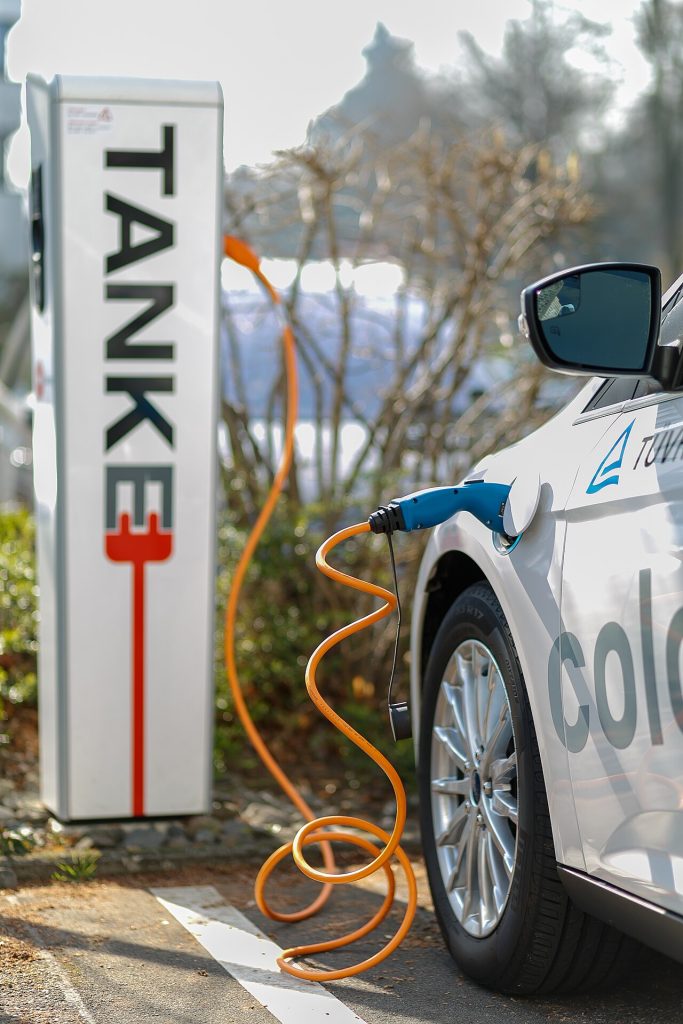
Chargers need to be installed at depots, and the electricity supply may need upgrades. Installing many fast chargers can require new transformers and grid connections, which may take months or longer to approve. Costs can be considerable.
Planning charging schedules matters too. Charging all vehicles at once can create peak demand charges. Software can stagger charging to reduce costs.
Range and duty cycle
Real-world range depends on weather, load and driving style. Cold temperatures can reduce range, and heavy loads or hilly routes use more energy. A vehicle that works in a brochure may not complete a demanding route. Fleet managers should test vehicles on real routes before committing to large orders.
Total cost of ownership
Electric vehicles often cost more upfront but less to run. To compare fairly, include purchase price, incentives, electricity cost, maintenance, insurance, charger installation and expected resale value. Incentives and tax credits can change quickly, so factor in policy risk.
Maintenance and training
Electric vehicles have fewer moving parts, but they require different skills and tools. Technicians need training for high-voltage systems. Establish relationships with service providers and ensure access to parts.
Policy and procurement
Public agencies often have procurement rules, such as domestic content requirements, that influence which vehicles they can buy. Political changes can alter priorities, and funding may be uncertain. Plans should include flexibility.
A phased approach
Start with a pilot: a small number of vehicles on well-understood routes. Collect data on range, charging times, driver feedback and maintenance. Use it to refine the plan before expanding. Diversify suppliers where possible, so that problems with one do not halt the program.
Consider mixed fleets during the transition, with electric vehicles on routes that suit them and conventional or hybrid ones elsewhere.
Communication
Drivers and staff need training and clear expectations. Involve them early, and address concerns about range and charging. Share results openly to build support.
Conclusion
Fleet electrification can deliver real savings and environmental benefits, but it requires careful planning around suppliers, infrastructure and operations. The organizations that succeed treat it as a long-term program, not a single purchase.