Most conversations about self-driving taxis focus on software: how well the car sees, how it decides, how safe it is. That is understandable, but it skips a large and unglamorous question. Who looks after the cars? Robotaxi fleets still need charging, cleaning, repairs, insurance and a place to sleep at night. This guide looks at the operational work behind a driverless service and what it means for how these services might spread.
In this article
Why robotaxi fleets are more than the car
A driverless service has two layers. The first is the driving technology, which handles the road. The second is everything that keeps the vehicles available, clean and legal. Passengers judge the service by both, and a spotless car that never arrives is no better than a late one that smells of old coffee. The basic idea is explained in the Wikipedia article on robotaxis.
Robotaxi fleets inherit the needs of ordinary taxi and ride-hailing firms. They depend on garages, cleaners, mechanics, insurers and drivers who report problems. Remove the driver and you remove the person who would notice a flat tyre, a strange noise or a spilled drink on the back seat. Someone has to take over that role.
That is why managing robotaxi fleets is becoming a business in its own right. Software developers may be brilliant at driving yet have little interest in running depots in a dozen cities. Specialist operators step in to own, finance, maintain and deploy the vehicles on the technology company’s behalf.
Charging and energy for robotaxi fleets
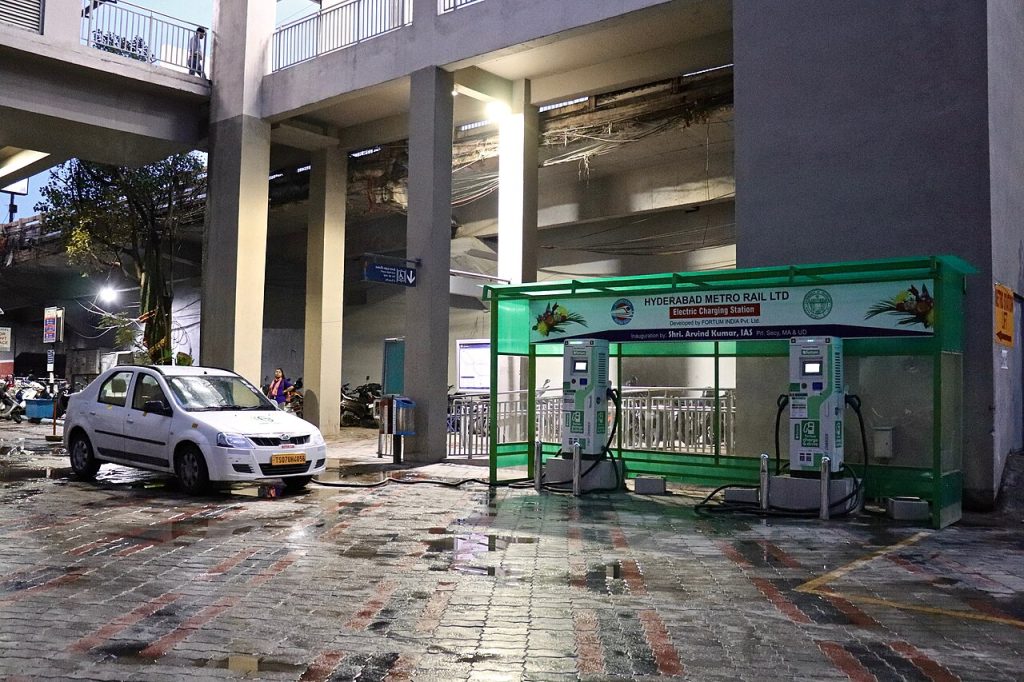
Most driverless taxis are electric, which suits stop-and-go city work, but it brings logistics. Cars need to charge somewhere, and that somewhere needs space, power and planning.
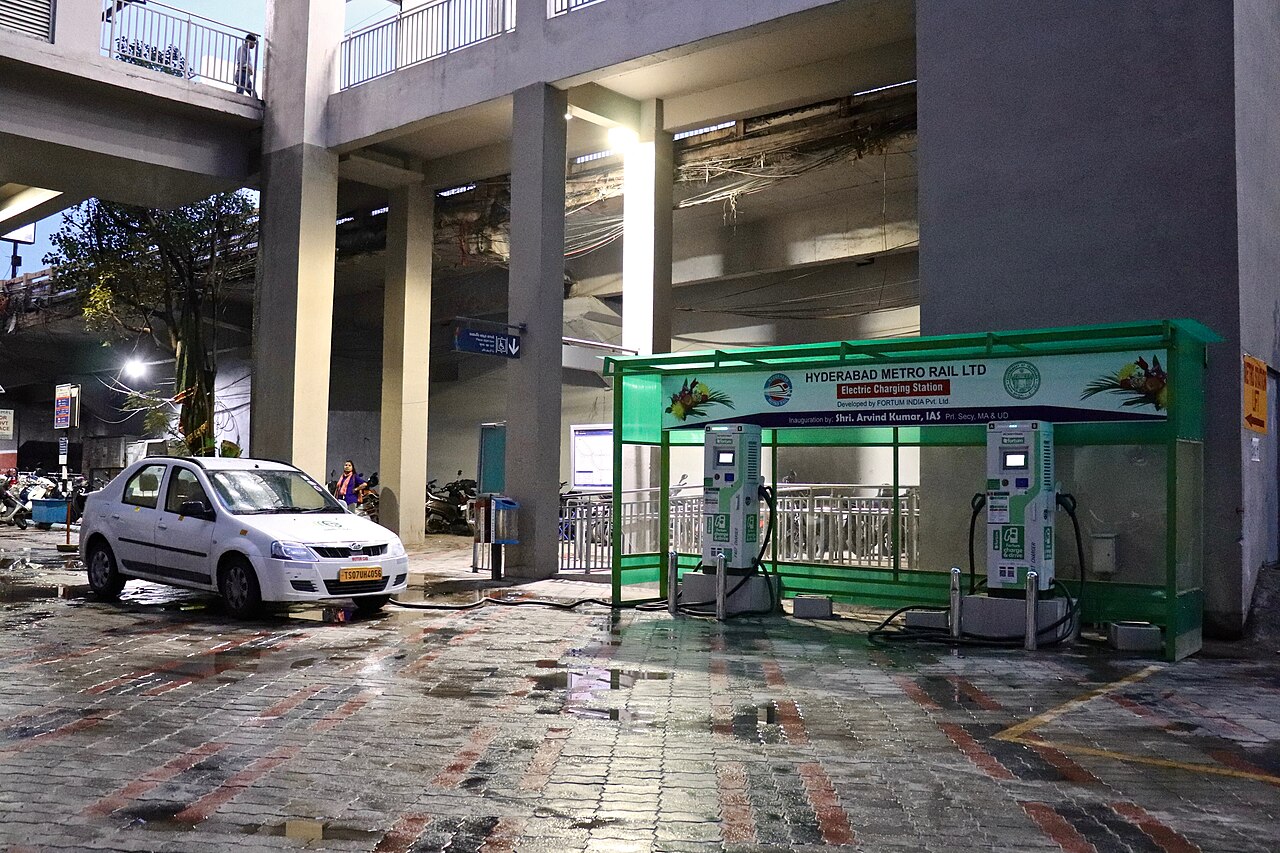
A depot with many chargers can draw a great deal of electricity, so operators must work with local utilities and sometimes upgrade the connection. Timing matters as well. Charging every car at the same moment can strain the grid and cost more. A well-run depot staggers sessions and sends cars out when the batteries are ready, not when a schedule says so.
Then there is the question of when to charge during the day. A car that spends an hour at a charger earns nothing. Operators therefore try to charge during quiet periods, and to place chargers where cars would be waiting anyway. Spare vehicles are needed as well, because a car in the workshop cannot take a booking, and a service with no reserve will quickly disappoint riders. Small decisions like these decide whether robotaxi fleets make money or just make headlines.
Cleaning, checks and repairs for robotaxi fleets
Vehicles that carry strangers get dirty. Seats collect crumbs, bags leave marks, and someone will eventually forget an umbrella. Without a driver to glance in the mirror, cleaning has to be built into the routine, with regular inspections and sensors that flag problems.
The same applies to the technical side.
- Cameras, radar and other sensors must be kept clean and aligned.
- Tyres, brakes and software updates need regular attention.
- Damage from minor scrapes must be spotted and fixed quickly.
A dirty sensor can reduce what the car sees, so even a small smudge becomes a safety question. Most robotaxi fleets therefore return to a depot for a check after a set time on the road.
Insurance, rules and remote support
Insurance is another hidden cost for robotaxi fleets. When no human driver is responsible, the question of who pays after an incident moves to the company, the owner or the operator. Rules differ from city to city, and many services start in a small area for exactly this reason: it keeps regulators, insurers and local authorities comfortable.
Remote support is part of the picture for robotaxi fleets too. If a car meets something confusing, such as a road closed for a parade or a police officer waving traffic through, a human may need to help from afar. That means control rooms, trained staff and reliable connections. It is not the same as someone driving the car, but it is still a cost that grows with the number of vehicles.
Passenger support matters as well. Someone has to answer when a rider cannot find the car, leaves a phone behind or feels unwell. Our article on riding a robotaxi for the first time describes how this looks from the back seat.
What robotaxi fleets mean for expansion
Putting it together, robotaxi fleets are limited by more than the quality of the driving software. Each new city needs a depot, chargers, trained staff, local permits and a plan for bad weather. That is slow, expensive work, and it explains why services tend to spread city by city, not all at once.
It also explains the rise of partnerships. A technology company can focus on the driving while a fleet operator handles the physical side. The model resembles how airlines lease aircraft from companies that specialise in owning them.
For anyone following the industry, the lesson is to look beyond demos. Ask how many vehicles a service actually runs, how often they are out of action, and who is responsible for maintenance. We explored a similar gap between a clever machine and a working operation in our guide to robot deployment software.
The glamorous part of a driverless service is the technology. The part that decides whether it survives is the quiet daily work of keeping robotaxi fleets charged, clean, insured and safe. When you next see a driverless car pull up, remember the depot that sent it out.