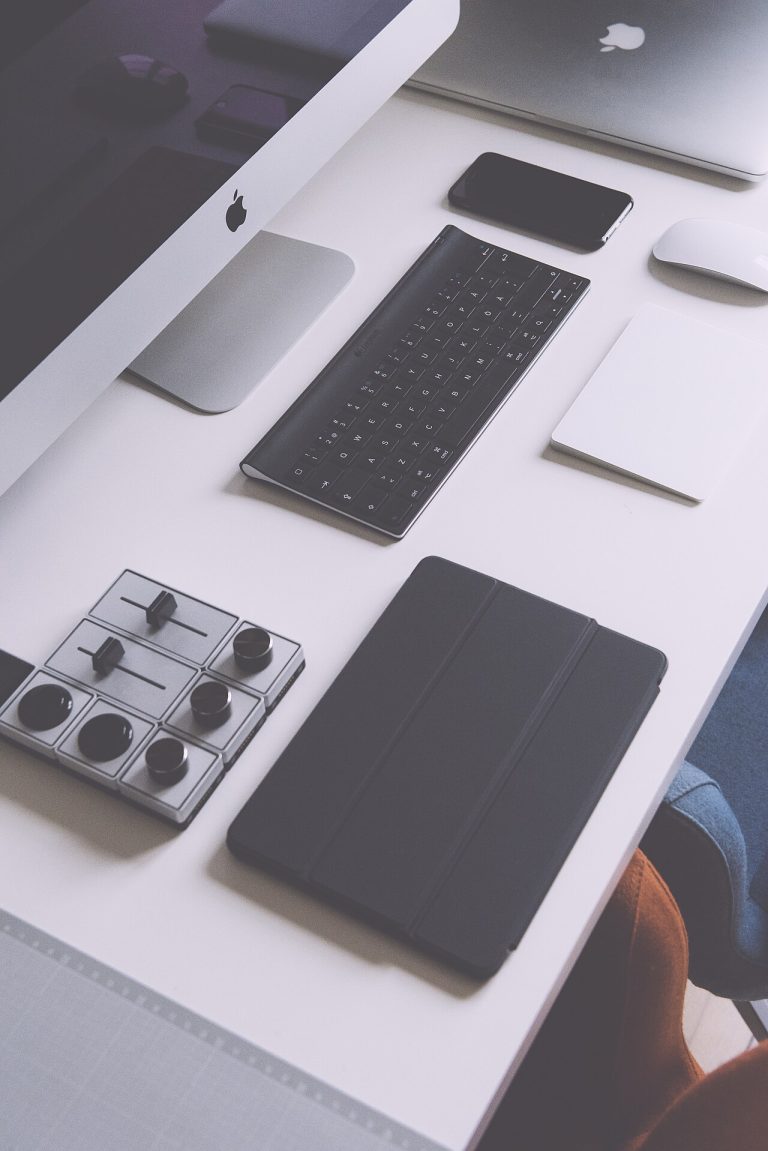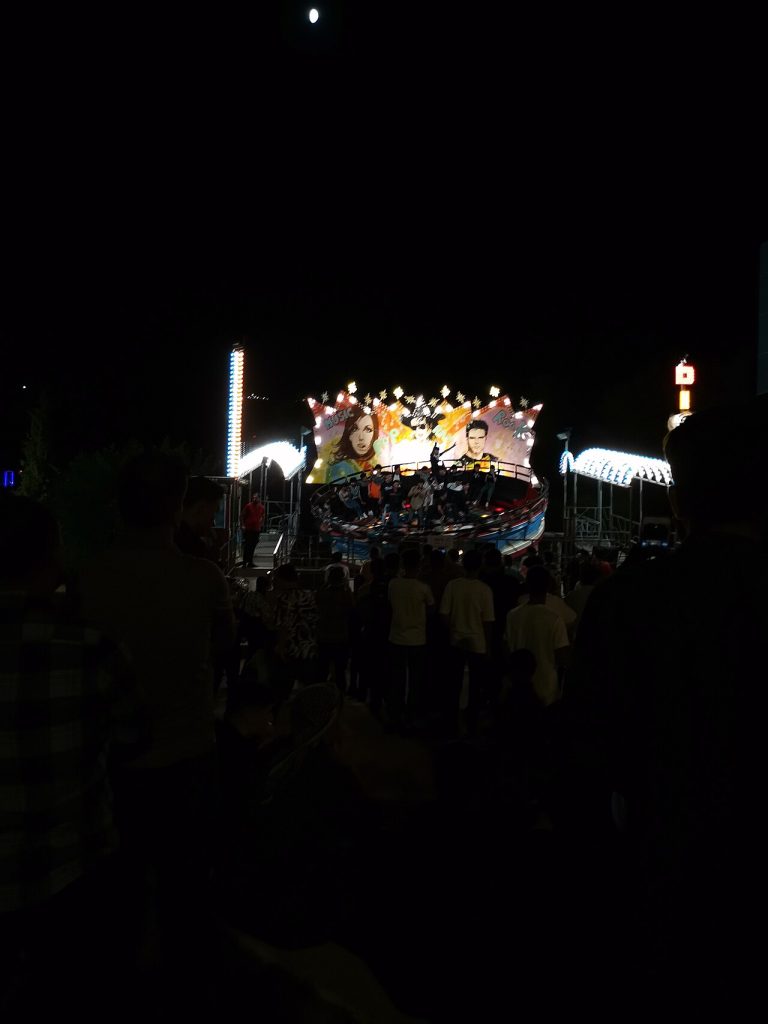
Product photo shoots at theme parks look like a fun day out, but the choice is deliberate. Picture a launch image for a new phone. You might imagine a white studio with one device floating in soft light. Now picture the same phone held up in front of a roller coaster, a pastel carousel or a glowing night-time midway. The second image says something the first cannot, that this thing is for living with, not just owning.
There is no single reason brands do it, particularly in consumer electronics. A handful of practical and creative ones stack up.
A ready-made set for product photo shoots
Building an interesting location from scratch is expensive. Theme parks arrive fully designed, with saturated colors, strong shapes, dramatic lighting and constant motion. A photographer can walk in and find a dozen different backdrops within a short stroll.
That variety matters, because a campaign needs many images: wide lifestyle shots, close-ups, social media crops, vertical and horizontal versions. A park offers bright daylight, dusk with the lights switching on, and full darkness with neon, all in one place. For product photo shoots on a deadline, that is an efficient way to collect a whole campaign in a day or two.
A tough test that doubles as proof
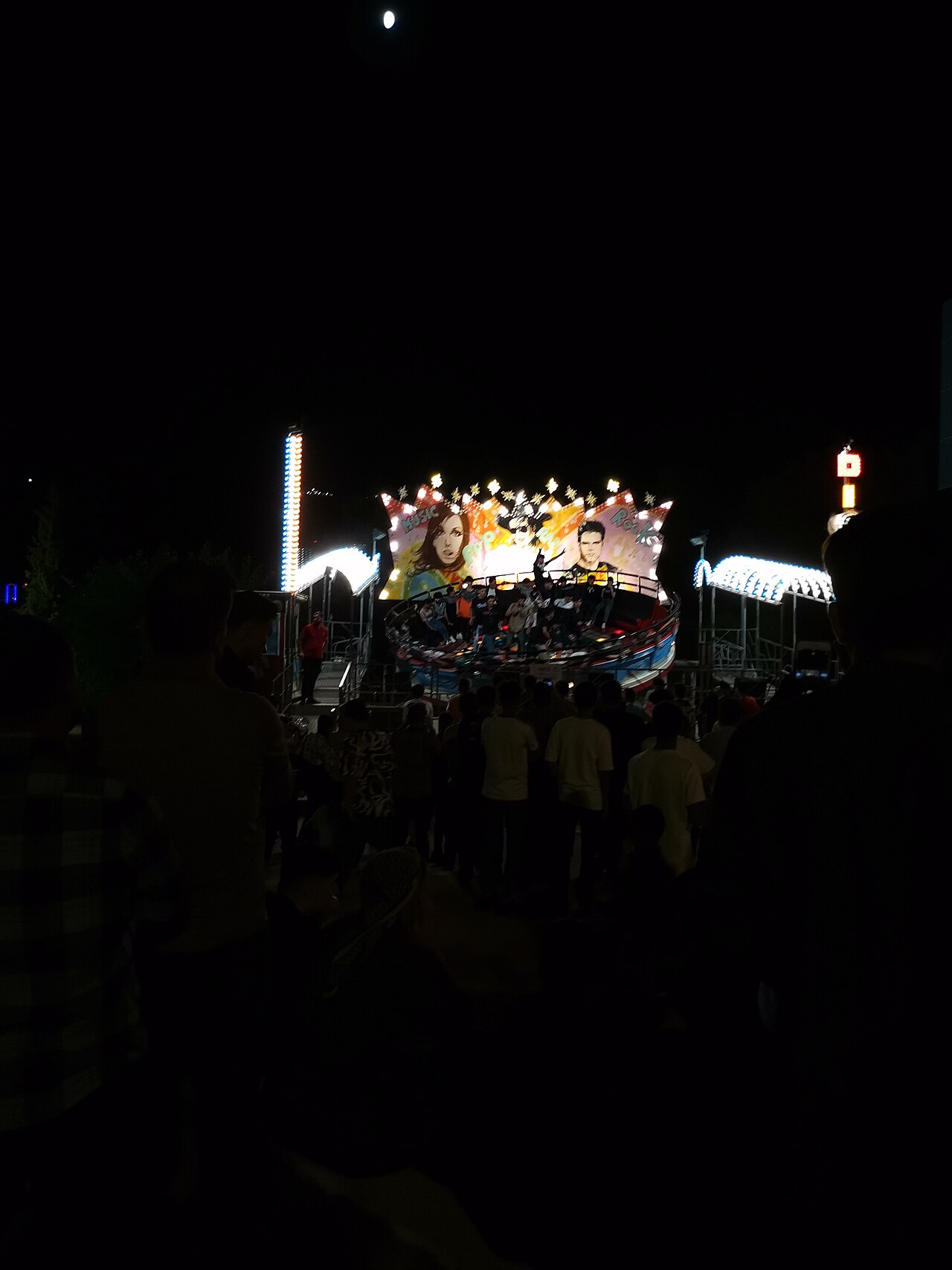
For cameras and phones especially, a park works as a stress test and a convenient way to back up claims. Night rides mix moving lights, deep shadows and colorful signage, which pushes sensors and image processing hard. Fast rides and moving crowds show how well autofocus and stabilization cope. A bright sky beside a shaded queue exposes dynamic range, and painted attractions and costumes test color accuracy alongside skin tones.
A company can say its camera handles difficult conditions, but sample photos from a busy fairground are more believable than a lab chart. Reviewers and early users also tend to recreate those scenes, which keeps the conversation going. That makes product photo shoots in busy places a kind of rehearsal for the reviews that follow: the brand has already seen how the device handles crowds, glare and darkness, and so has the audience. We saw a similar story when looking back at the iPhone XS and what it changed, where camera processing became the headline.
The emotional message
Marketing is partly a story about who you will become when you own something. Theme parks carry strong associations: family days, holidays, friends, laughter. Good product photo shoots sell a feeling before they sell a feature. Placing a device in that setting links it to memories worth capturing, which is exactly the pitch for a camera, a wearable or a phone.
Mood plays a part as well. Gadgets can feel cold and technical, while a playful location makes them look approachable and reaches buyers who never read a spec sheet. The same thinking explains why even small accessories, like those in our guide to the phone strap and case trade-off, are often photographed in lively, lived-in scenes.
The logistics behind the glossy picture
It is not as simple as turning up with a camera. Commercial product photo shoots at a park need agreements, insurance and often a dedicated time slot. Many parks welcome them, since the exposure is valuable, but both sides negotiate terms. Releases are needed for identifiable people, and shoots are often arranged before opening or on closed days to keep scenes clean.
Brand fit is another concern. Attractions often have trademarks and characters, so a shoot must avoid implying a partnership that does not exist. Sometimes a partnership is the point, with the park and the brand sharing the content for a promotion or special event. Weather matters too. A shoot planned around golden hour can be spoiled by a cloudy sky, so teams build in spare days.
What this tells you as a shopper
Like most product photo shoots, a campaign set somewhere playful is marketing, not evidence. It is designed to make you want the device, and it can do that without telling you much about daily use. Check whether the images are labeled as shot with the product or merely styled for the campaign, since some launch pictures come from professional cameras and heavy editing while others are unedited samples. A park at golden hour flatters any camera, so look for independent reviews taken in ordinary conditions.
Compare against your own life, too. If you mostly photograph indoor family dinners, roller-coaster performance matters less. Pay attention to specifics: a claim such as better night photos can be tested, while unforgettable moments cannot.
Small businesses and creators can borrow the idea without the budget. You do not need a theme park. A street market, a bright cafe or a local fairground can lift your own product photo shoots above a plain background. For a deeper look at the craft itself, see this overview of product photography. The principles are simple: use a real setting, show the product in use, vary the scenes, and get the light right.
The practical takeaway: a theme park gives product photo shoots color, variety, a credible stress test and an emotional story all at once. As a buyer, enjoy the pictures, then look for independent samples that match how you will really use the device.