

Finance has a talent for making simple ideas sound intimidating. Take the phrase primary market. It appears in news about public offerings, startup funding and bonds, and many people nod along without being sure what it means. The good news is that the concept is easy once you see the two halves, the primary market and the secondary market, as stages in a single story: how a security is born, and how it lives afterwards.
The primary market: where new securities are created
Think of the primary market as the place where something is sold for the very first time. A company that needs money can issue new shares of stock. A government or a company can issue bonds, which are essentially loans split into small pieces that investors can buy. In each case, the buyer pays, and the money goes to the issuer.
That’s the defining feature. In that first sale, the cash flows to the organization that created the security, and it uses the funds to build factories, hire people, repay debts or pay for public services.
An initial public offering, or IPO, is the best-known example. A private company sells shares to the public for the first time, usually with the help of banks that arrange the sale and set the starting price. A funding round for a startup is another form of primary issuance, even though it happens privately.
The secondary market: where things change hands
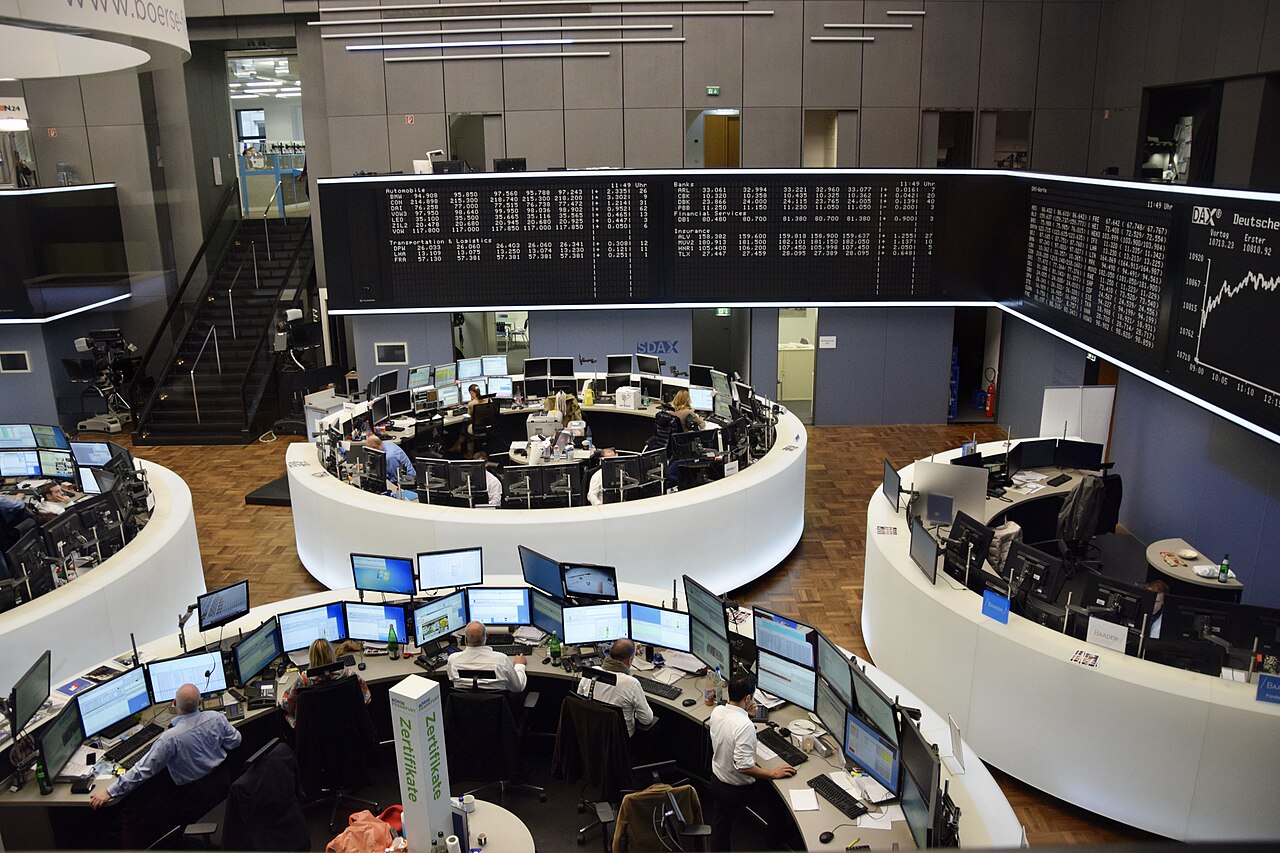
Once those shares or bonds exist, owners may want to sell them, and others may want to buy. The place where this happens is the secondary market. When you buy a share of a listed company through a brokerage app, you’re almost always using the secondary market. You’re purchasing from another investor, not from the company itself.
This is a crucial difference. In the secondary market, the issuing company doesn’t get the money from your purchase. It simply has a new name on its list of owners.
Why the secondary market matters to the primary market
If the company doesn’t receive the cash, why should it care? Because the secondary market gives securities their liquidity and their price. Investors are far more willing to buy new shares in a new issue if they know they can sell them later. Without a place to trade, people would demand a much bigger discount to lock up their money.
Prices set in the secondary market also send signals. If a company’s stock rises steadily, it becomes easier and cheaper for the company to raise new money. If it falls sharply, issuing new shares becomes more expensive. So although the two markets handle different moments, they depend on each other.
Bonds follow the same pattern. A new government bond sold at auction is a primary market sale, while the same bond traded between investors a year later is a secondary market trade. A quick comparison helps:
- Who sells? In the primary market, the issuer. In the secondary market, existing owners.
- Who gets the money? The issuer when shares are first sold. The seller in the secondary market.
- How is the price set? Often negotiated or set in advance at issue. Driven by supply and demand in the secondary market.
- How often does it happen? Primary sales are occasional events. Secondary trading goes on constantly during market hours.
Private markets have both too
These ideas aren’t limited to public stock exchanges. Startups raise money in a private primary market round, selling new shares to investors. Secondary sales in private companies happen when early employees or investors sell existing shares to a new buyer. They’re harder to arrange because there’s no open exchange, but the logic is the same: new money goes to the company, and resale money goes to the seller.
Why it should matter to ordinary people
Many beginners buy their first shares without knowing which market they are in. You don’t need to be a professional investor to benefit from understanding this. If you hold shares in a retirement account, you’re taking part in the secondary market. If you’ve heard about a company going public, you’re hearing about a new issue. Recognizing which is which helps you read financial news with a clearer head.
Knowing the first sale from the secondary market also protects you from confusing headlines, such as claims that a company raised money when a big share sale was only a transfer between investors. It also helps with risk. New issues can be exciting and heavily promoted, and prices may swing in the first days of trading. Existing securities traded in the secondary market have a track record and more available information, though that doesn’t make them safe. Neither is automatically better. They simply play different roles.
If you remember one sentence, make it this: the primary market is where securities are created and sold to raise money, and the secondary market is where those securities are traded afterwards. One feeds the issuer. The other keeps the whole system liquid and gives prices meaning. Next time a headline mentions either one, ask a quick question. Is money going to the company, or just from one investor to another? The answer usually tells you which market you’re reading about.
For a neutral background reference, the Wikipedia article on Primary market is a useful place to start.
Related reading: Secondary Markets for Startup Shares: Why Trust Is the Product and Bubble or Not? A Practical Way to Judge Hot Startup Markets.


