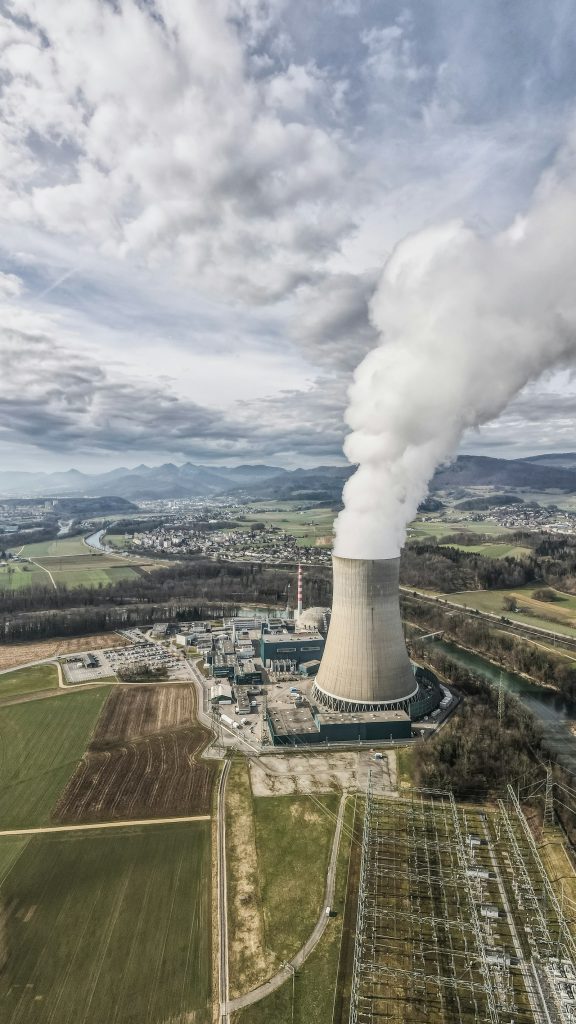
Picture a power plant you could move on a truck. Not a cooling tower on a hillside, but a sealed unit built in a factory, hauled to a remote mine or a hospital campus, and plugged in. That picture is behind the growing interest in the nuclear micro reactor.
The idea is simple to state and hard to deliver. Let us walk through what these machines are, why people want them, and where the real difficulties sit.
What counts as a nuclear micro reactor
A conventional nuclear plant produces power on the scale of a large city. A nuclear micro reactor is far smaller, designed for a community, a campus or an industrial site rather than a national grid. Sizes are usually described in megawatts, and the label generally refers to units at the small end of the range.
They belong to a broader family called small modular reactors, which you can read about under small modular reactor designs. The word modular is the point. Instead of building a plant on site over many years, most of the work is done in a factory, where quality control is easier and costs can fall with repeat production.
Many designs use fuel and cooling methods that differ from today’s large water-cooled plants. Some use gas as a coolant, some use molten salt or liquid metal. Several are meant to run for years between refuelings, and some are sealed so the fuel is not handled on site during operation. Designs vary a lot, and many are still being tested or licensed, so treat any specific performance claim with care.
Why anyone wants a nuclear micro reactor
Remote power is expensive. Mines, island communities, research stations and military sites often burn diesel brought in by ship or truck. A compact reactor that runs for years without refueling is attractive for places where fuel logistics are the biggest cost.
Reliability is another reason. A reactor runs around the clock, regardless of weather. That appeals to hospitals, industrial plants and, increasingly, large computing sites that need steady electricity. If you are curious about that last link, our article on powering AI data centers lays out the energy options those facilities weigh.
Then there is carbon. A nuclear micro reactor produces no direct emissions during operation, which is why it features in plans to replace diesel and gas where wind and solar are hard to use alone.
The safety question
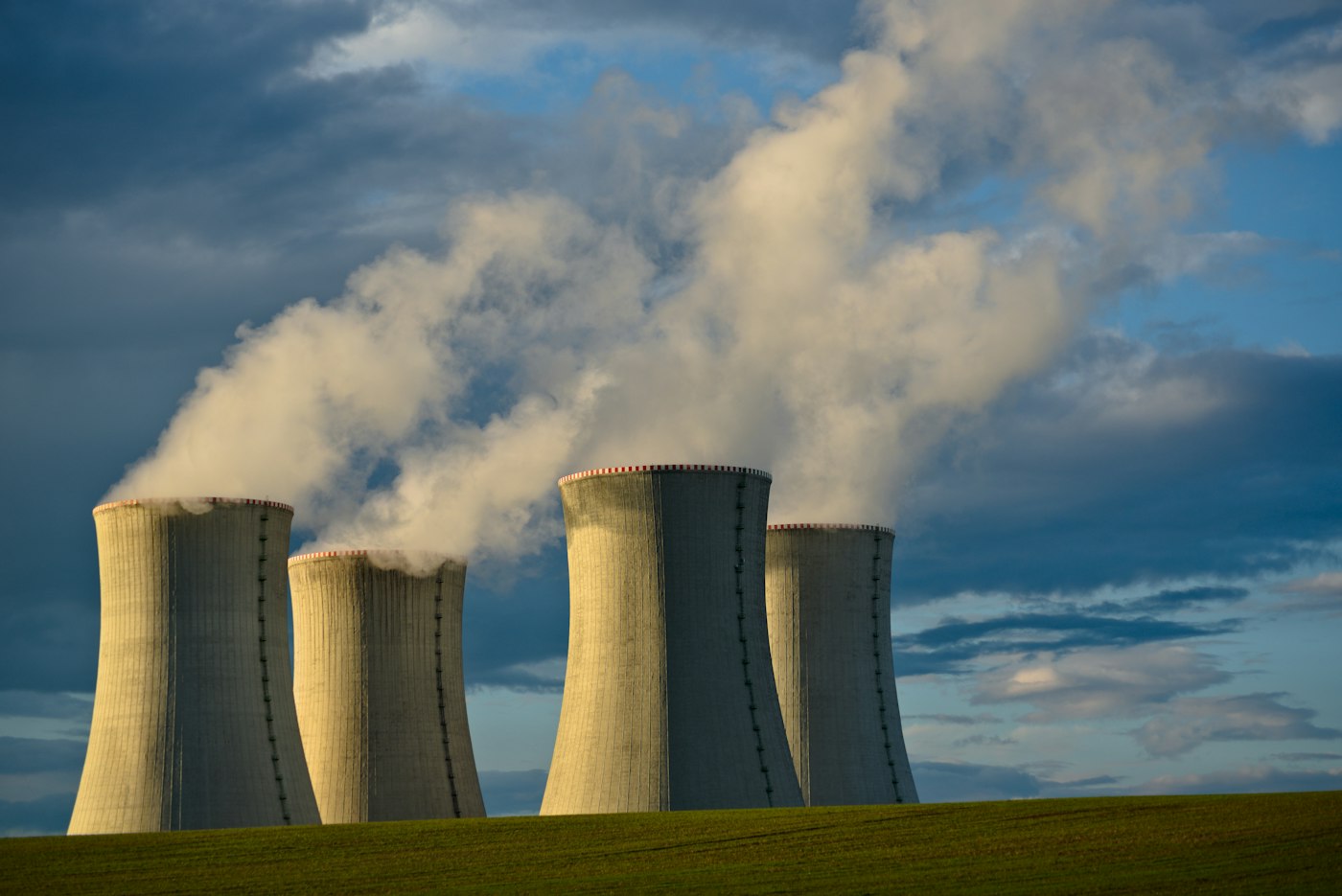
Small does not automatically mean safe, but smaller designs have some natural advantages. A smaller core holds less heat to remove, so many designs aim for passive safety, where physics rather than pumps and operators cools the system if something goes wrong. A reactor built underground or in a sealed vessel also reduces the ways a problem can reach the outside.
Still, regulators do not accept promises. Every design must be reviewed, tested and licensed by a national authority, and that process takes years. Fuel is also a concern. Some advanced designs use fuel enriched to higher levels than traditional plants, which raises questions about security and about preventing misuse. These are real issues, and not ones to wave away.
Then comes the matter of waste. A nuclear micro reactor makes spent fuel like any other nuclear plant, only in smaller quantities. Someone must collect it, transport it and store it. A design that runs for years in a remote site makes that plan more important, not less.
The cost problem for a nuclear micro reactor
The strongest argument for a nuclear micro reactor is also the weakest: factory production. If a company builds hundreds of identical units, the price per unit should drop. But the first units are expensive, and the market needs to believe hundreds will be ordered before anyone invests in a factory. It is a classic chicken-and-egg problem.
Large nuclear projects have a long record of running over budget, a topic our piece on why nuclear power costs so much explores. Smaller units might avoid some of that, since they are simpler and quicker to build. They also lose the economies of scale that make big plants efficient per megawatt. Whether the trade works out is still being tested, not settled.
Licensing adds to the uncertainty. A site must be approved, a community must accept it, and insurance and emergency plans must be in place. None of these is quick.
How to read the headlines
When you see an announcement about a nuclear micro reactor, a few questions help cut through the noise.
Is there a working prototype, or only a design? Has it been licensed, or is it in review? What fuel does it use, and who supplies it? What is the real cost per unit of electricity, and who is paying for it? Is a customer signed up, or only interested?
Early stages are full of ambition and thin on commitments. That does not mean the idea is wrong. It means the useful signal is in permits, test results and contracts, not in artist renderings.
The technology could prove valuable for remote, high-value sites where the alternatives are costly. It is less likely to replace the big grid anytime soon. Keep an eye on the licensing milestones and the first working deployments, because that is where the answer to all the big questions will show up first.