Picture a television drama squeezed into episodes of a minute or two, filmed upright for a phone and packed with sudden twists. These are micro dramas, and they have grown quickly in several countries. If you have seen a stranger on a bus staring at a phone full of dramatic faces and cliffhangers, this is probably what they were watching.
In this article
What micro dramas are
Micro dramas are scripted stories cut into very short episodes. One series can run to dozens of instalments, each lasting around a minute. They are shot in portrait orientation so they fill a phone screen, and they favour fast, emotional plots: secret identities, revenge, romance, family feuds and office rivalries.
The style borrows from soap operas and serialised web novels. Characters are clear types, conflicts are loud, and every episode ends on a hook that makes the next one hard to resist. Production is quick and cheap compared with traditional television, with small crews and short shoots. In that sense, micro dramas are a close cousin of the older web series, only squeezed to fit a thumb.
Why micro dramas work so well on phones
Several things come together here.
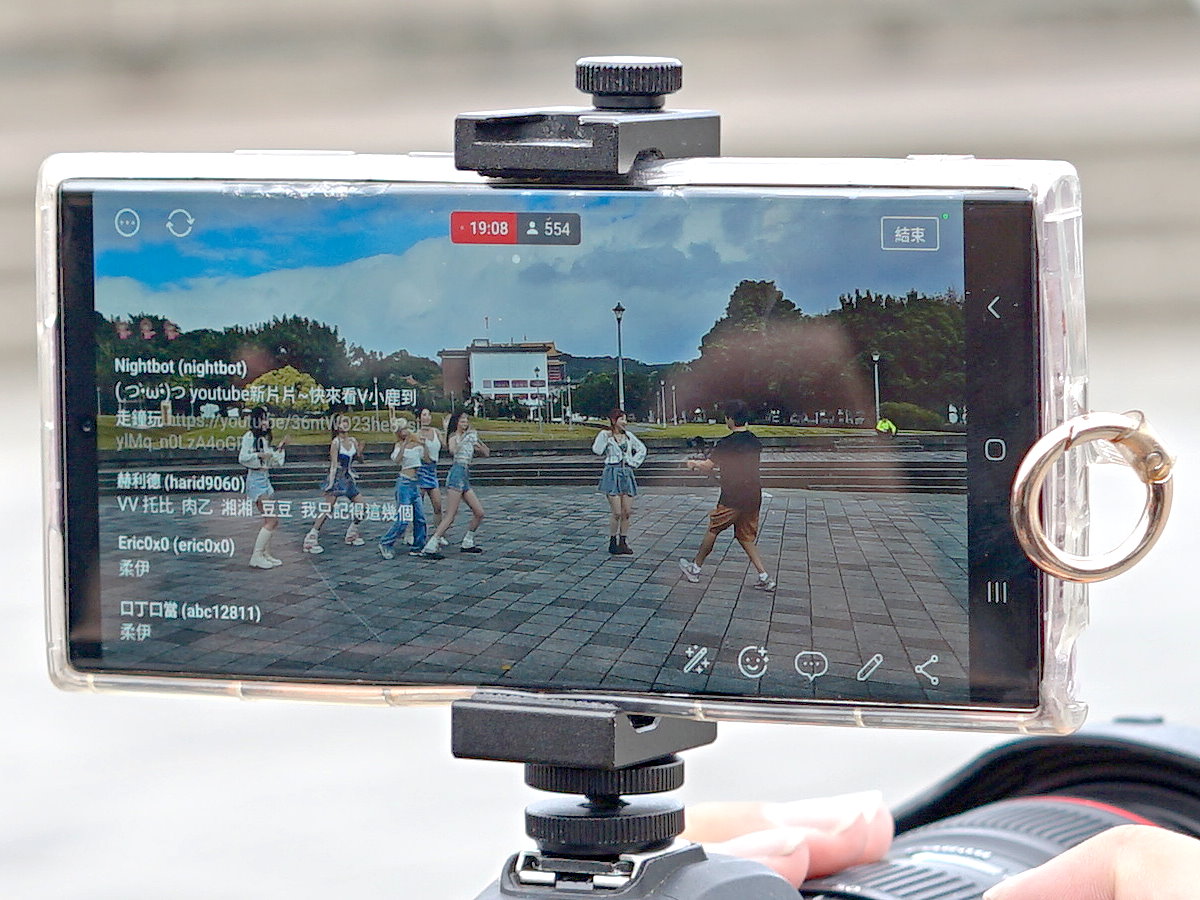
Phones are always with us, and short episodes slot into spare moments, such as a queue or a lift. You can watch one episode with no commitment, then another, and suddenly half an hour has gone.
Short-form video has also trained viewers to expect quick payoffs. People used to scrolling through clips are comfortable with fast pacing and big emotions. Our look at the rise of short-form video apps explains how that habit formed.
Finally, the format is easy to follow with the sound low or off. Clear acting, strong expressions and on-screen captions mean you can keep up on a noisy train. That is a real advantage over a long film that demands your full attention.
How the money works
This is where micro dramas differ most from regular video. Many apps let you watch the first few episodes free, then ask you to pay to continue. Payment may be per episode, through a bundle of coins, or by subscription. Others are free to watch and earn money from adverts.

Because episodes are so short, the payoff of each hook matters. A series that loses the audience at episode five has little chance of making money later. That pushes writers towards constant cliffhangers, and it explains why plots often feel breathless.
The model is not entirely new. Newspapers once printed novels in weekly instalments, and radio and television soaps used the same trick of stopping at the most tense moment. Micro dramas just make the gap between instalments a tap away.
None of this means every series is worthless. A tight, well-written story with a clear ending can be as satisfying as a short film, and the best micro dramas show real craft in how they pack a setup, a twist and a payoff into ninety seconds. Judge them as you would any other show: by the writing, the acting and whether the ending earns the build-up. A good one leaves you satisfied, and a poor one only leaves you hungry for the next tap.
What to watch for as a viewer
Micro dramas can be great fun, but a few cautions are sensible.

- Spending adds up. Small coin purchases are easy to make and easy to forget. Check what a full series costs before you start.
- Time slips away. With no natural ending, one more episode becomes ten. A timer helps.
- Subscriptions renew. Cancel a free trial before it converts if you do not want to continue.
It is also worth remembering that quality varies. Some series are written and acted with real care. Others are rushed and repetitive, and dubbed or translated versions can lose jokes and tone. Read a few reviews or watch a trailer before you pay.
Casting follows the same logic. Many micro dramas use lesser-known actors, partly to keep costs low and partly because the audience cares more about the situation than the star. A strong, readable face is worth more than a famous name when the whole story fits on a six-inch screen.
Language is another factor. Series made in one country are often dubbed or subtitled for others, and plots about family pressure, class and surprise inheritance travel surprisingly well. That portability is a large part of why micro dramas can spread quickly beyond their home market.
Where the format may go next
Large social platforms and streaming services have noticed how popular micro dramas have become, and some are testing similar vertical series of their own. Expect more variety in genres, with comedy, thrillers and teen stories joining the usual romance and revenge plots. Expect more tie-ins too, with actors, brands and games trying to borrow the audience.
Whether micro dramas last or fade into another passing trend will depend on viewers. If audiences keep returning for the story, the format will mature. If they come only for the cliffhanger trick, it may wear thin. Either way, it is a revealing example of how the shape of the device in our hands changes the way stories get told.
For the curious, the easiest way to understand micro dramas is to watch one. Pick a free series, give it three episodes, and notice how quickly the structure pulls you along. Then decide for yourself whether it is a guilty pleasure or a genuine new form of storytelling.