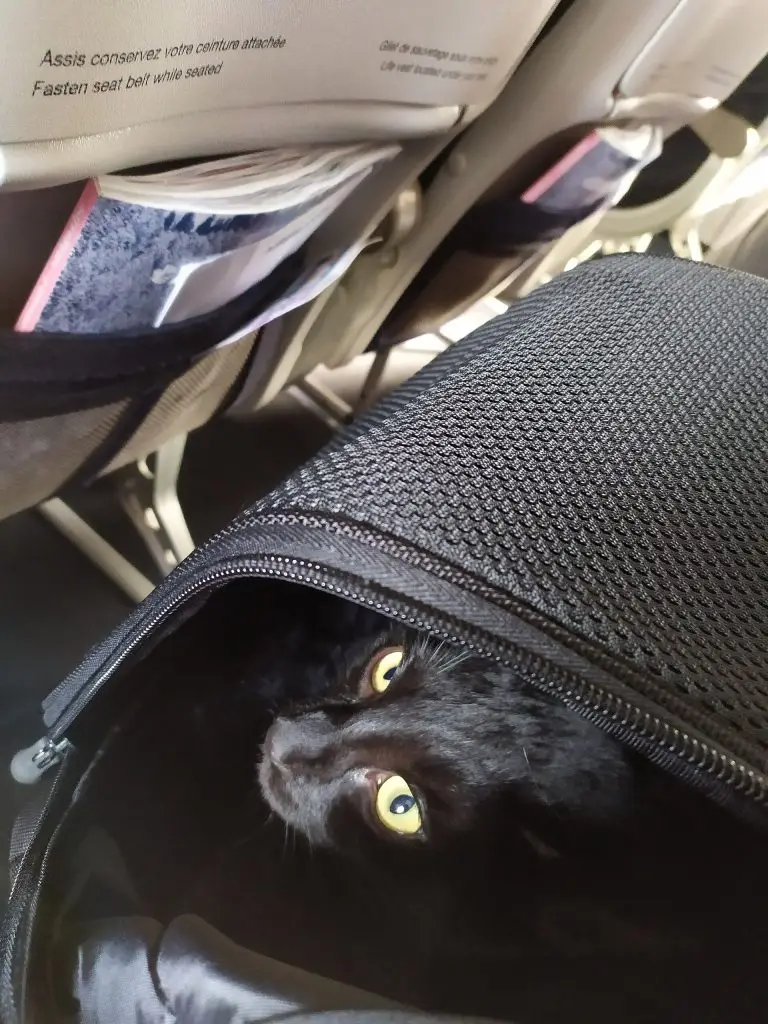
If you’re working out how to travel with a cat internationally, start with the paperwork, not the suitcase. The rules differ by destination, and a missed vaccination date can mean your cat is refused entry or quarantined. Everything else, carriers, calm nerves and the flight itself, is the easy part by comparison.
How to travel with a cat internationally, step 1: check the destination’s rules
Every country has its own import conditions. In general you should expect to need most of the following, but confirm each item with the official government site of the country you’re entering and your airline:
- A microchip that meets the standard the destination requires (usually ISO). Chip first, then vaccinate, because the vaccine may not count otherwise.
- A valid rabies vaccination, sometimes followed by a waiting period before entry.
- A health certificate or pet passport issued by an authorised vet, often within a short window before travel.
- For some countries, a blood titre test or parasite treatment.
- Re-entry rules for your home country, which people often forget.
Start at least a few months ahead for strict destinations. For travel inside the EU, the European Commission explains the pet movement rules on its EU rules on moving pets page; rules for non-EU arrivals differ, so check them separately.
Step 2: Choose how to travel
By plane
Airlines differ widely. Some let small cats ride in the cabin in a soft carrier under the seat; others only accept them in the hold, and some restrict pets in summer or winter due to temperature. Cabin spaces are limited per flight, so contact the airline early. Flat-faced breeds may face extra restrictions. Ask for the written rules instead of relying on a phone call.
By train or car
Within Europe, trains and cars are often calmer for cats. Many rail operators allow small pets in carriers; policies and fees vary, so check the operator. In a car, the carrier should be secured with a seat belt, and never leave your cat alone in a parked vehicle.
By ferry
Some ferry lines have pet-friendly cabins or kennels, and others only allow pets in vehicles. Check before booking.
Step 3: Get the carrier right
- Pick one that meets your airline’s size limits and that your cat can stand and turn around in.
- Leave it open at home for a few weeks with a blanket inside, so it becomes a hiding place instead of a threat.
- Pack an absorbent pad, because accidents happen.
- Add a familiar-smelling cloth.
Step 4: The week before
- Confirm paperwork against the official checklist and keep originals plus copies in your hand luggage.
- Do a short practice drive with the carrier.
- Talk to your vet about whether sedation is advisable. Many airlines and vets advise against sedatives for flights because of breathing and temperature risks, so follow your vet’s advice.
- Feed a light meal a few hours before departure, not a heavy one.
- Attach ID tags with your destination contact details.
Step 5: At the airport
At security, you’ll usually need to take your cat out of the carrier and carry them through the scanner while the carrier is X-rayed. Use a harness and keep a firm grip. A quiet corner or family restroom can be a calm spot to do the swap. Bring a small towel, a few treats and a collapsible water bowl.
Q&A: common worries
Will my cat eat or drink in transit? Many cats don’t, and that’s normal on a short trip. Offer water at stopovers.
Can I let my cat out of the carrier on the plane? No. Airlines require pets to stay inside throughout.
What if there’s a layover? Fewer connections mean less stress. Direct flights are better, and early-morning ones avoid heat on the tarmac.
Step 6: Arrival and settling in
When you reach your accommodation, set up a small safe room with litter, water, food and a hiding place before you open the carrier. Cats usually need a day or two to relax. Check that the hotel or rental explicitly allows cats, in writing.
Special cases
Senior cats, kittens and cats with health problems need a vet check before any long journey, because stress can aggravate conditions. If your cat is anxious, a pheromone spray on the carrier blanket can help; ask your vet whether it suits your cat. For long-haul trips, plan the route to minimise time in transit, and avoid very hot or cold travel days if the airline carries pets in the hold. If you’re moving permanently rather than holidaying, check whether the destination requires an import permit or quarantine, because those can take weeks to arrange. When you’re planning how to travel with a cat internationally, build in a buffer for paperwork delays, and keep a printed checklist in your bag so border officers can see everything in order.
Finally, find a local vet near your destination before you arrive and save their number in your phone. If you plan multi-country trips, repeat the rules check for each border, because requirements change and what worked last year may not apply now.