

Farming has always depended on people looking closely at plants. Is that tree healthy? Are the apples ready? Is a pest problem starting at the edge of the field? The trouble is that a farm is enormous, and nobody can inspect every plant every day. That is where computer vision comes in. Cameras and software can watch crops continuously and report what they see, and here is how it works and what it means for growers.
In this article
What computer vision means on a farm
Computer vision is the branch of artificial intelligence that teaches software to interpret images. The general idea is explained well in the Wikipedia article on computer vision. On a farm, the camera might be fixed to a tractor, carried by a drone, mounted on a pole or held in a worker’s hand. The software studies the pictures to recognise fruit, leaves, flowers and signs of disease.
The software learns from many labelled examples. People mark which parts of a photo show a flower, an apple or a damaged leaf, and the system gradually learns to spot similar shapes and colours in new images. The more varied the training photos, the better it copes with real conditions such as shade, rain and dust.
Jobs that cameras can do
Many tasks suit this approach, especially in orchards and vineyards where the crop is valuable and labour is tight.
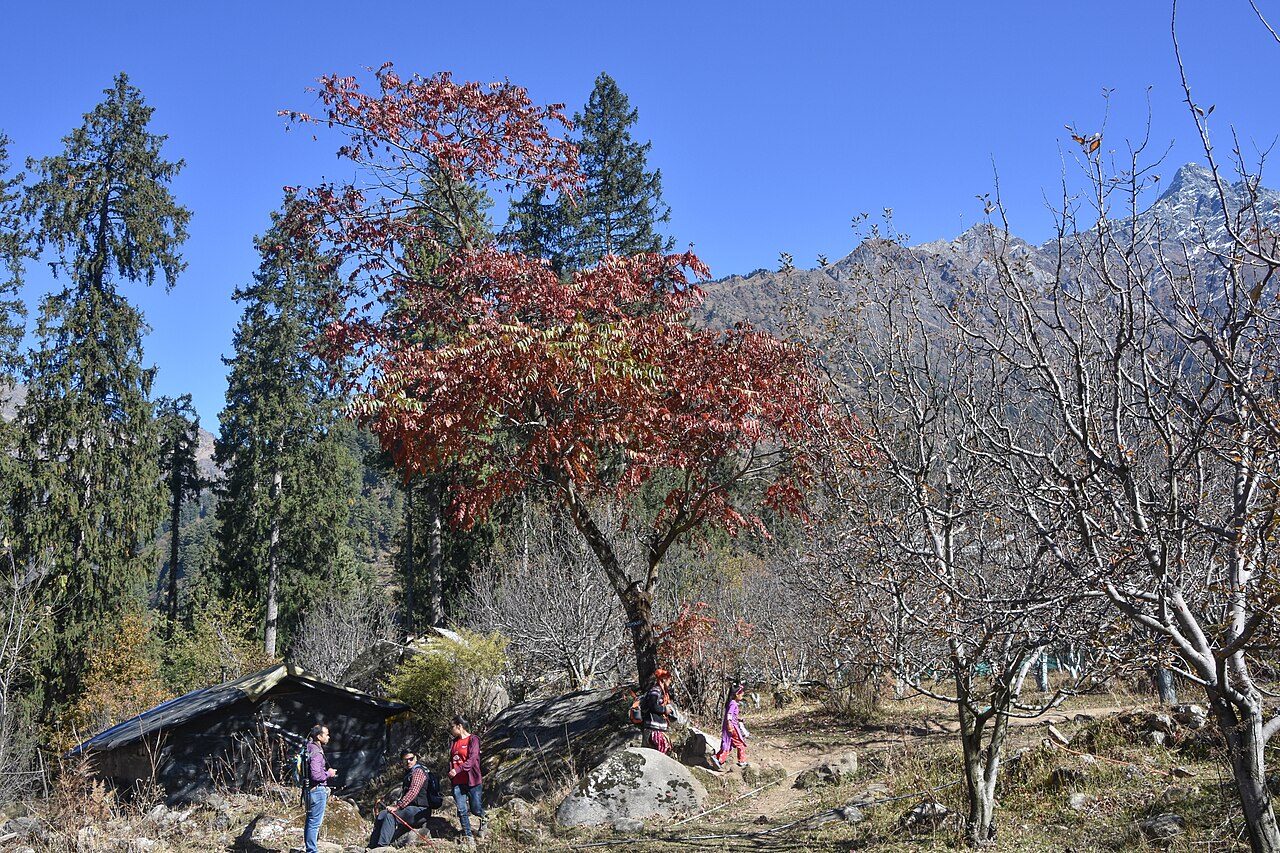
- Counting: estimating the number of buds, flowers or fruit on trees helps predict yield.
- Sizing: measuring fruit as it grows helps plan harvest and packing.
- Health checks: spotting disease, nutrient problems or water stress early, before they spread.
- Weed detection: telling crop from weed so that sprays can be aimed precisely.
None of these jobs is new. Farmers have always counted, measured and checked. What changes with computer vision is the scale and the consistency. A camera does not get tired at the end of the row, and it records exactly where each observation was made.
Drones are a popular platform because they cover ground quickly. A short flight can photograph a whole block of trees, and the software then flags the rows that look different from the rest. Ground vehicles see more detail, but they take longer, so many farms use a mix of both.
How computer vision helps with decisions
A photo is only useful if it leads to a better decision. Suppose a camera finds that one corner of a vineyard has smaller leaves and a yellow tint. The grower can walk straight to that spot, take a sample and act early, instead of discovering the problem at harvest.

The same idea applies to spraying. Instead of covering a whole field in herbicide, a system with computer vision can identify individual weeds and treat only those. That can mean less chemical used, lower cost and less runoff into nearby water. Whether the saving is large or small depends on the field, but the principle is simple: look first, then act.
Harvest planning benefits as well. If fruit counts and sizes are known weeks ahead, a farm can book pickers, order packing material and talk to buyers with more confidence. Labour management is a related problem, and our piece on farm workforce management software covers the people side of the same picture.
The limits growers should know about
Computer vision is helpful, not magic, and it has real weak points.

Conditions vary. A model trained on one variety in one region can stumble on another, because leaves, fruit and light look different. Dust on a lens, low sun or heavy cloud can confuse it too.
Setup takes effort. Someone has to install cameras, label example photos, check the results and keep everything running. On a small farm, that work may outweigh the benefit, so the technology so far fits larger or high-value operations best.
Connectivity can be patchy. Many farms have weak mobile coverage, so systems that process images on the device instead of in the cloud are often more practical.
Finally, a recommendation is not a decision, and computer vision cannot know your farm the way you do. Experienced growers know their land, their soil and their local weather. The best use of computer vision is as a second pair of eyes that points to places worth a human look.
What to ask before you invest
If you are a grower thinking about adopting computer vision, a few plain questions help.
Does it work on my crop and variety, and can the seller show results from a farm like mine? What will I do differently once I have the data? Who owns the images and the information about my land? How much work is needed from me each week? A good supplier will answer these directly.
It also makes sense to start small. Try one block or one task, such as fruit counting, and compare the camera’s numbers against a hand count. If they agree, expand. If they do not, you have learned something cheaply.
Training matters here too. Staff need to understand what the system is looking at and why it might be wrong, otherwise computer vision becomes a black box that nobody trusts. A short walk through the results with the people who work the land builds that confidence quickly.
For everyone else, the takeaway is that the food on our plates increasingly passes under an artificial eye long before it reaches a shop. Used well, computer vision can help farmers waste less, catch problems sooner and plan with more confidence. It does not replace the farmer’s judgement. It gives that judgement better information, and that is a sensible place for technology to sit.



