On a long commute in a crowded city, a listener presses play on a story that began yesterday and will continue tomorrow. There is no video, no page to turn. Just a voice, a few sound effects and a cliffhanger timed to the end of the episode. Audio series apps have become a major form of entertainment in several countries, and the business model behind it is a clever mix of old and new ideas.
An old format, a new delivery
Radio dramas filled living rooms before television. Serialized fiction filled newspapers long before that. Audio series apps combine both traditions with a modern payment system. The story arrives in short episodes, usually a few minutes each, designed for gaps in the day: waiting for a bus, cooking dinner, falling asleep.
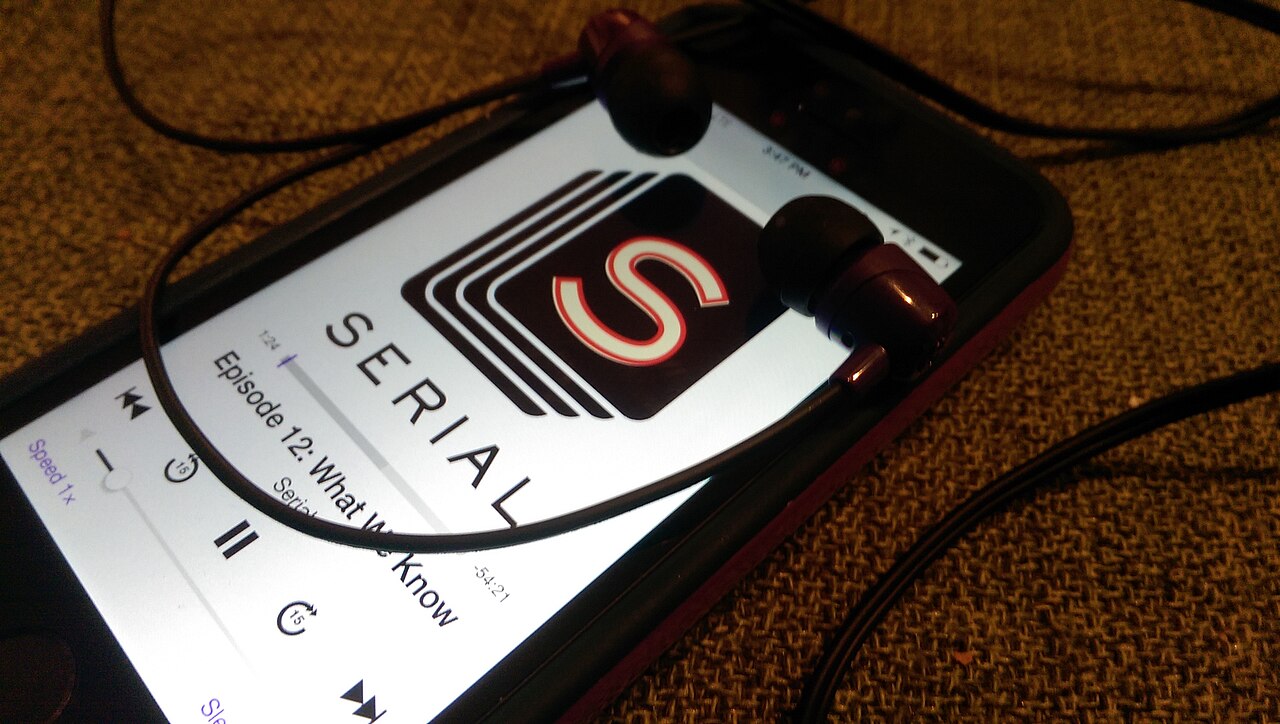
This format suits markets where many people are mobile-first, data is a concern, and reading long text on a small screen is less appealing. Audio is light to stream, works in the background, and doesn’t require literacy in a particular script, which broadens the audience. Content can be offered in many languages, which gives a platform with a regional footprint a built-in advantage.
How audio series apps make money
Most audio series apps follow a pattern similar to mobile games and web novels. The first several episodes are free to hook the listener. After that, access requires payment, either through a subscription or by spending in-app credits on individual episodes. Parents should know how easy that is for children, and this guide to kids and virtual currency explains the risks. Some also include advertising for free tiers.
The hook is the structure itself. A story that stops at the right moment gives a listener a strong reason to continue. Platforms learn which stories hold attention by watching where people drop off, then commission more of what works. That feedback loop, hundreds of thousands of listeners acting as an enormous test audience, is what makes these companies good at finding hits.
Revenue is often discussed as a run rate: current monthly or weekly income multiplied up to a yearly figure. It is a useful snapshot but a limited one, since it assumes today’s pace continues and can flatter a business with seasonal spikes. A careful reader asks how many listeners pay, how long they stay, and how much it costs to win each one.
For listeners, the practical advice is simple. Decide what you are willing to spend before you start a story, because audio series apps are designed to make the next episode feel cheap and the total bill easy to ignore. Check whether credits expire, whether a subscription renews on its own, and whether purchases can be refunded. Set a monthly limit and stick to it.
It also pays to compare. A story you love may be available on more than one service, and some platforms release the same series with different pricing. Audio series apps often offer a free trial week, which is enough time to decide whether the habit suits your commute.
Where AI enters the process
Producing audio drama the old way means writers, voice actors, directors, studios, editors and sound designers. It’s expensive, and a slow pipeline limits how many titles a platform can release. Generative tools can change that equation by helping with scripts, drafting translations, producing synthetic voices and assembling sound.
The attraction is obvious: more content, in more languages, at lower cost. The questions are equally obvious. Does synthetic narration hold an audience as well as skilled actors? How are writers and voice performers credited and paid? Are listeners told when a voice is artificial? Quality, ethics and regulation will all shape where this goes. Some audiences accept machine-made voices for short, functional content and push back on them for emotionally driven stories.
A sensible approach combines both: use automation for repetitive tasks such as first-draft translation, subtitle-like transcripts and audio cleanup, while keeping human writers and performers where feeling matters most.
Creators deserve a mention. A writer working for audio series apps often delivers many short episodes on a tight schedule, and the pay structure can vary widely, from flat fees to shares of revenue. Before signing, writers and performers should ask who keeps the rights, whether credit is guaranteed, and what happens to their work if the app closes or changes its terms.
What to watch in audio series apps
- Retention. Do listeners keep coming back after the first story ends?
- Content quality. Volume without craft eventually pushes people away.
- Creator relationships. Platforms that treat writers and performers fairly attract better material, a lesson that also applies when a beloved writing community loses its footing.
- Rights and licensing. Clear ownership of stories and voices avoids later disputes.
- Competition. Podcasts, video apps, music services and social platforms all fight for the same spare minutes.
A modest forecast
Audio series apps will probably keep growing where they fit daily life, and the winners will be the ones with strong stories, not merely the cheapest production. Technology can lower costs, but a story still has to make someone want to hear the next episode. That has always been the hard part, and it still is.
Image: David Martín :: Suki_ :: / Wikimedia Commons, CC BY-SA 2.0.