
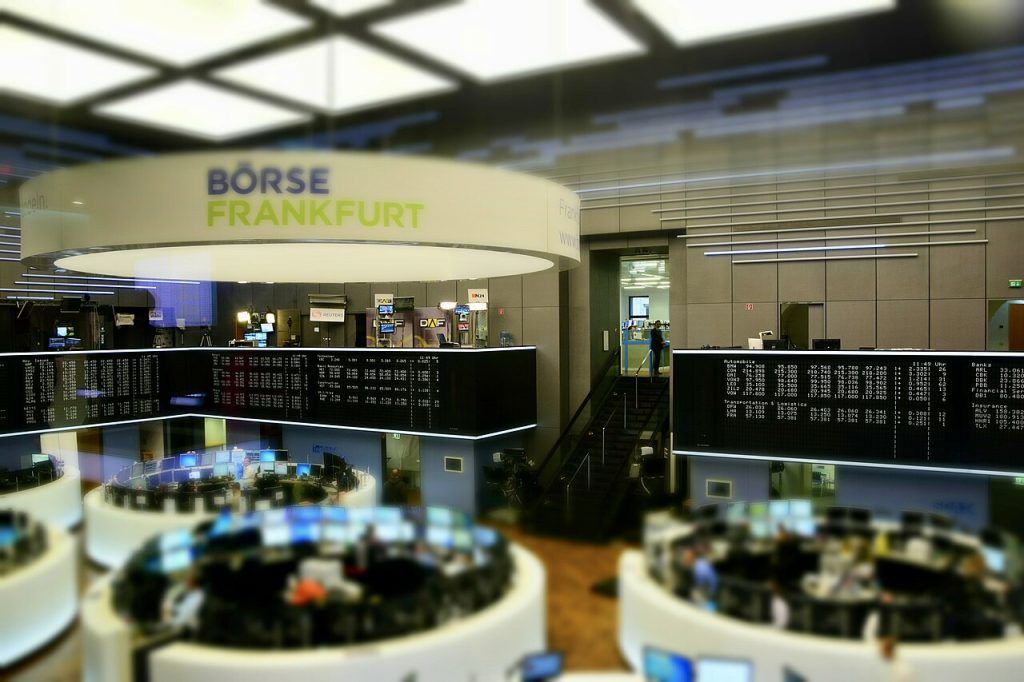
Few business events draw as much attention as a company ringing the bell on its first day of public trading. The pictures are cheerful, the headlines talk about valuations, and it can all look like a party. Understanding how an IPO works shows that the real story is mostly about preparation, paperwork, and rules.
An initial public offering, or IPO, is the first time a company sells shares to the general public. Here is what that involves, who it affects, and what it can and cannot tell you.

Why companies do it
Think of it as a trade. The company gives up some ownership and privacy, and in return it gains cash and a public currency. Not every business should make that trade, and many healthy firms stay private for years. Seeing how an IPO works makes clear why the choice is rarely automatic.
The most common reason is money. Selling shares raises capital that can pay for growth, repay debt, or fund new products. A listing also makes shares easy to trade, which helps early investors and employees turn paper holdings into cash over time.
There are other motives. Being public can raise a company’s profile, make it easier to use shares as payment in acquisitions, and give it an independent way to reward staff. Against that, a public company faces more scrutiny, more rules, and constant pressure from quarterly results.
The main steps in how an IPO works
Understanding how an IPO works starts with the sequence. It usually moves through stages like these:
- The company picks banks, called underwriters, to guide the process and help sell the shares.
- Lawyers and accountants prepare detailed disclosures and audited financial statements.
- The company files a registration document with the securities regulator, describing its business, finances, and risks.
- Executives present to large investors in a series of meetings known as a roadshow.
- The banks gauge demand and the company sets a price for the shares.
- Shares begin trading on the exchange, and the market sets the price from then on.
The timeline can stretch over months, and plans can be delayed or cancelled if market conditions turn. A scheduled listing is never certain until it actually happens.
Pricing is the delicate part of how an IPO works. Set the price too high and the shares may fall on day one; too low and the company leaves money on the table. The banks try to balance demand from big investors against the company’s need for capital.
The paperwork is the point
Much of how an IPO works is about disclosure. The registration filing forces a company to explain its finances, its leadership, its customers, and the risks it faces, often in uncomfortable detail. Regulators do not judge whether the shares are a good deal. They check that investors are given the information to decide for themselves.
That is why the risk factors section is worth reading, even though it can sound alarming. It is a company telling the public what could go wrong. Sections on how money will be used, who owns what, and how executives are paid give a fuller picture than any news article.
Founders, control, and employees
Founders often want to keep influence after listing. Some companies create share classes with different voting power, which lets insiders retain control even when they own a smaller portion of the business. Others have more traditional structures. Either way, new shareholders should know who really makes the decisions.
Employees are affected too. Many hold stock options or shares that could not be sold before the listing. Another piece of how an IPO works is the lock-up period, a set time when insiders are barred from selling, designed to avoid a flood of shares hitting the market on day one. When it ends, selling can move the price. A staff member whose wealth is largely tied to company shares should think about diversification rather than assuming the price will only rise.
What it means for ordinary investors, and other routes
For most individuals, getting shares at the offering price is difficult, because large institutions typically receive the allocation. Buying on the first day means paying whatever the market sets, which can be well above or below the offering price. Knowing how an IPO works also explains why first-day excitement is not a reliable guide to a business’s long-term value.
A sensible approach is to read the filing, understand how the company makes money, and avoid buying purely out of fear of missing out. Newly listed companies can be volatile, and some take years to settle.
There are other routes as well. A direct listing sells existing shares without raising new money through underwriters. A special purpose acquisition company merges a private business into an already listed shell. Each has different costs, risks, and levels of scrutiny, though the goal of reaching public markets is the same.
After the bell, the work continues. The company must report results regularly, disclose major events, and answer to shareholders. Knowing how an IPO works helps you read the news with more patience: it is not the end of a story but the start of a new, more public chapter.
For a neutral background reference, the Wikipedia article on Initial public offering is a useful place to start.
Related reading: What Really Happens When a Giant Company Goes Public and Is Public Wi-Fi Safe? What Actually Happens When You Connect.



