Training and running modern AI models needs a huge amount of computing power, most of it supplied by graphics processors known as GPUs. Renting that power from a cloud provider is how most start-ups and researchers get it. A new wave of regional companies is now raising money to offer GPU cloud services inside their own countries, pitched as an alternative to the global giants. The phrase that goes with it is sovereign compute. This guide explains what that means and how to evaluate such offers.

What a GPU cloud is
A GPU cloud rents processing time on clusters of GPUs. Customers pay by the hour or by reserved contract, and they access the machines over the internet. The service typically includes networking, storage, and software for managing jobs. Unlike a general cloud, it focuses on the kind of heavy parallel computing that AI needs.
Large clusters need fast connections between chips, because training splits a job across many devices that must exchange data constantly. That is why simply having many GPUs is not enough; the network and software matter too.
Why locality matters
There are several reasons a country or company might want compute close to home.
- Data rules. Laws in some places restrict sending certain data abroad, such as health or government records.
- Strategic independence. Governments worry about relying entirely on foreign providers for a technology seen as critical.
- Language and culture. Local teams want to build models for their own languages, which global firms may prioritise less.
- Latency. Running models near users reduces delays.
- Cost and currency. Paying in local currency avoids exchange risk, and subsidies may lower prices.
- Support for local startups. A domestic provider may offer easier contracts and responsive help.
How these companies are built
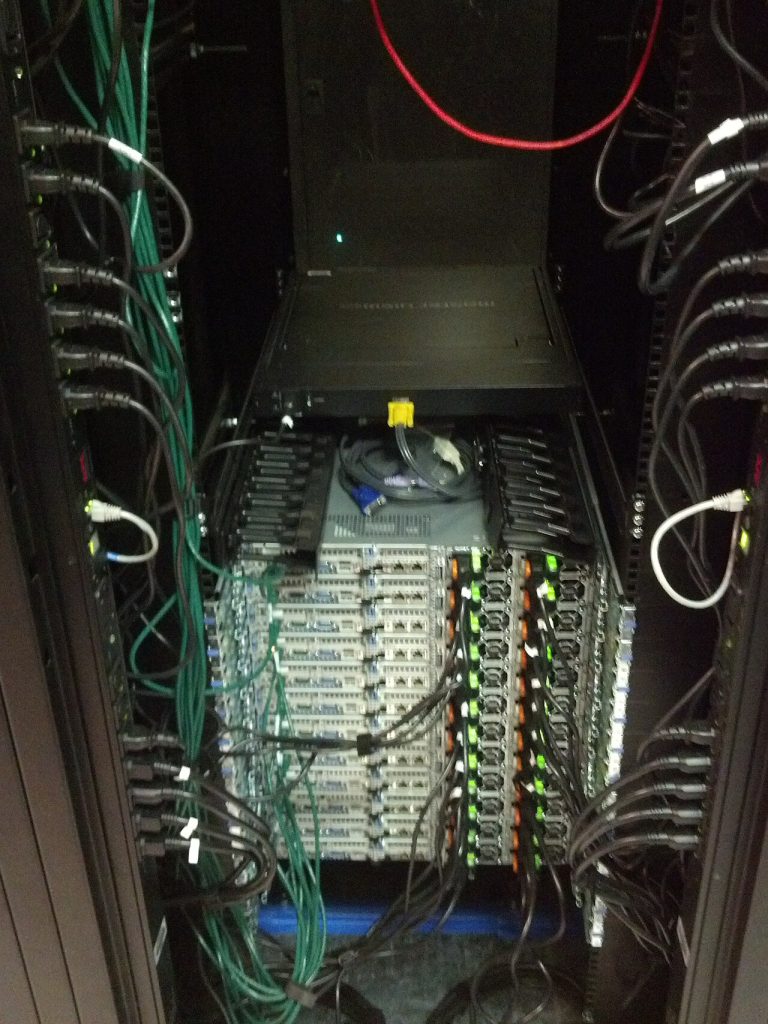
Establishing a GPU cloud involves buying or leasing GPUs, which are in short supply and expensive, and housing them in data centres with reliable power and cooling. Providers must hire engineers to run clusters, write scheduling software, and secure the systems. Many partner with chip makers, data-centre operators, or governments. Funding rounds go toward hardware purchases and capacity expansion.
What customers should check
1. Hardware generation. Which GPU models are on offer, and how many are available now? 2. Network quality. Ask about interconnect speed for multi-node training. 3. Software stack. Are common frameworks and drivers supported? Is there an easy way to launch jobs? 4. Reliability. What uptime commitments exist, and how are failures handled? 5. Pricing. Compare hourly rates, minimum commitments, and data transfer fees. 6. Security and compliance. Look for certifications and clear rules on who can access your data. 7. Exit options. Can you move workloads to another provider if needed?
Risks to weigh
- Supply constraints. Providers may struggle to obtain enough chips, delaying capacity.
- Utilisation risk. Unused GPUs still cost money. Providers need steady customers.
- Fast depreciation. Hardware becomes outdated, so economics depend on renting it out quickly.
- Concentration. A few big customers can dominate a small provider.
- Hype. Sovereign branding may attract attention more than it guarantees quality.
The economics in simple terms
A provider buys a GPU for a high price and aims to rent it for years. If the hourly rate and utilisation are high enough, the investment pays off. If prices drop or demand softens, returns shrink. For customers, competition is good news: more providers can bring lower prices and better terms.
Environmental points
AI data centres consume large amounts of electricity and water for cooling. Location, power source, and efficiency choices make a difference. Customers who care about emissions can ask for energy sources and efficiency metrics.
Who benefits
Researchers, startups, and companies building models for local needs gain access and flexibility. Governments gain capacity for public projects. Global providers still serve many customers, so expect a mix of local and global services rather than a clean replacement.
Bottom line
GPU clouds supply the processing power for AI, and local providers aim to offer it close to home for reasons of law, strategy, and support. Before you sign, check hardware, networking, software, security, and pricing, and keep a plan for moving workloads. Sovereign compute is a useful option when it delivers reliable capacity, not just a label.
A small team example
Imagine a language-technology startup training a model on local-language text. It needs a few hundred GPUs for a month, strict handling of citizen data, and a support engineer who answers in their time zone. A domestic provider that offers all three, even at a slightly higher hourly price, may be the better fit than a distant giant. Run a one-week trial on a small job to compare real throughput and support before you commit to a long contract.
Further reading
Related on this site: iPhone 15 Pro Max Titanium: Is It Still Worth Buying? and Screen Recording for Work: Is Async Video Better Than Meetings?. For general background, see the Wikipedia overview.