Google’s mobile service, long known as Project Fi and then Google Fi, got a new name and a handful of upgrades: expanded smartwatch support, a free trial and other tweaks. The rebrand, to Google Fi Wireless, does not change the basic idea of the service, but it does tell us how the company wants to position it in a crowded wireless market.
What Google Fi is
Fi is a mobile virtual network operator, which means it does not own the cell towers. Instead, it buys wholesale access from established carriers and resells it under its own brand, adding software and a distinctive set of features. For years, Fi stood out for international roaming that worked at no extra charge in many countries, simple pricing and the ability to switch between networks automatically for better coverage.
What changed
- A new name. The branding was simplified so it reads as a full wireless service rather than an experimental project.
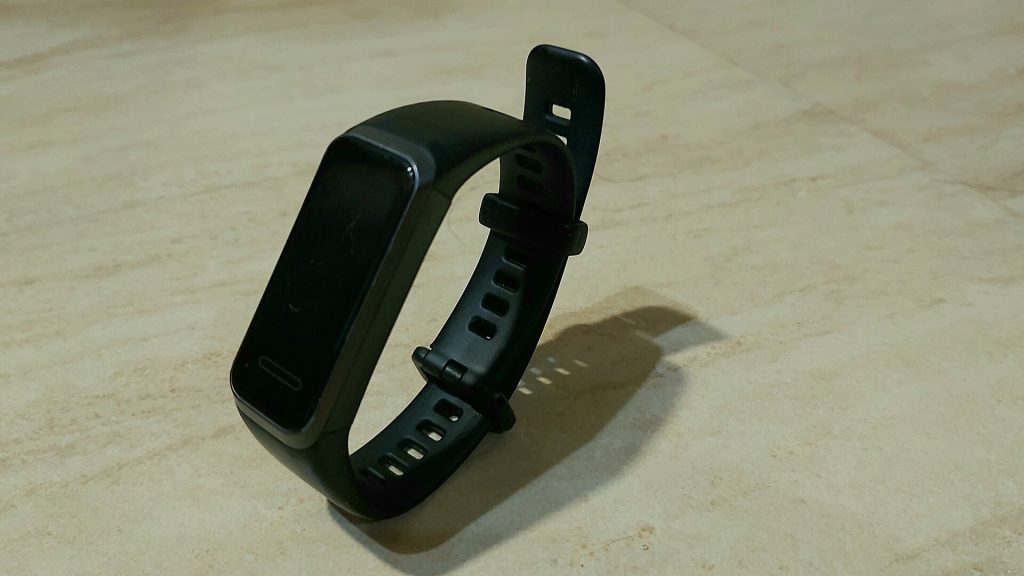
- Smartwatch support. Wider support for cellular smartwatches, including the Apple Watch, means you can leave your phone at home and still get calls and messages.
- A free trial. New customers can try the service before committing, lowering the barrier to switching.
- Plan and feature updates. Adjustments to bundles and perks aimed at attracting more users.
Why a smartwatch matters
Cellular watches have gone from novelty to useful tool for runners, parents and anyone who wants to stay connected without a phone in hand. Carriers charge a monthly line fee for each. By supporting more watches, Fi widens the pool of customers who can bring their gadgets over without buying new hardware. If you already own a compatible watch, it is worth checking what that extra line would cost.
How a free trial helps you decide
- Check coverage where you live and work, not just on the map. Test calls and data in your most-used places.
- Try travel features if you go abroad, such as roaming data speed and cost.
- Look at how the service handles your usage pattern, including hotspot use.
- Read the terms for when billing begins and how to cancel.
- Keep your current plan active until you are sure about the switch.
Who it suits
Travelers benefit most, because roaming costs are often the biggest surprise on a phone bill. Households with light to moderate data use can also save money with flexible plans that charge by usage. People who rely on heavy streaming or family plans with many lines should compare carefully, since big carriers sometimes bundle more perks at those volumes. And anyone in an area with weak signal needs to verify coverage before making any move.
Things to watch for
- Network quality can vary, since service depends on partner networks and the phone’s ability to switch.
- Some phones work better than others, so check compatibility.
- Data-speed policies after a high usage threshold may slow your connection.
- Customer support options may differ from those of a major carrier with retail stores.
What the numbers might look like
Consider two households. One uses little data, mostly on Wi-Fi, and travels abroad twice a year. A usage-based plan with free roaming could cost noticeably less than a fixed unlimited plan, and the savings on trips alone may pay for several months. The other streams video on the go, shares a hotspot with a laptop and has four lines. For them, a large carrier’s family bundle may be cheaper and the trade-off in coverage may matter more. Running both scenarios with your own bills takes about fifteen minutes and tends to settle the question quickly.
Switching without stress
If you decide to move, keep your existing number by requesting a transfer rather than cancelling first, back up your messages and make sure your phone is unlocked and compatible. Do the switch on a day when you do not need to be reachable for a few hours, in case activation takes longer than expected.
How to compare any wireless plan
Add up your real monthly cost, including taxes, device payments and extra lines. Compare the data you actually use, which you can find in your account usage history, rather than the headline allowance. Consider contract terms and how easily you can leave. Finally, ask neighbors and coworkers what works in your area; local experience is more reliable than national advertising.
The takeaway
The rebrand is mostly about clarity, but the added watch support and trial make the service easier to test. If you travel often or want a simple, usage-based plan, spend a few weeks trying it. If you are happy with your current carrier, there is no urgency, though knowing the alternatives gives you leverage when your next bill arrives.