A gadget startup shutdown rarely comes with a phone call to customers. You bought a smart wearable, a camera or a connected speaker from a young company with a clever idea, and months later news breaks that the money has run out and the assets are being sold. The device on your wrist or shelf still turns on, so what actually changes?
The answer depends on how the product was built, and the surprising part is that the hardware itself is often the least affected piece.
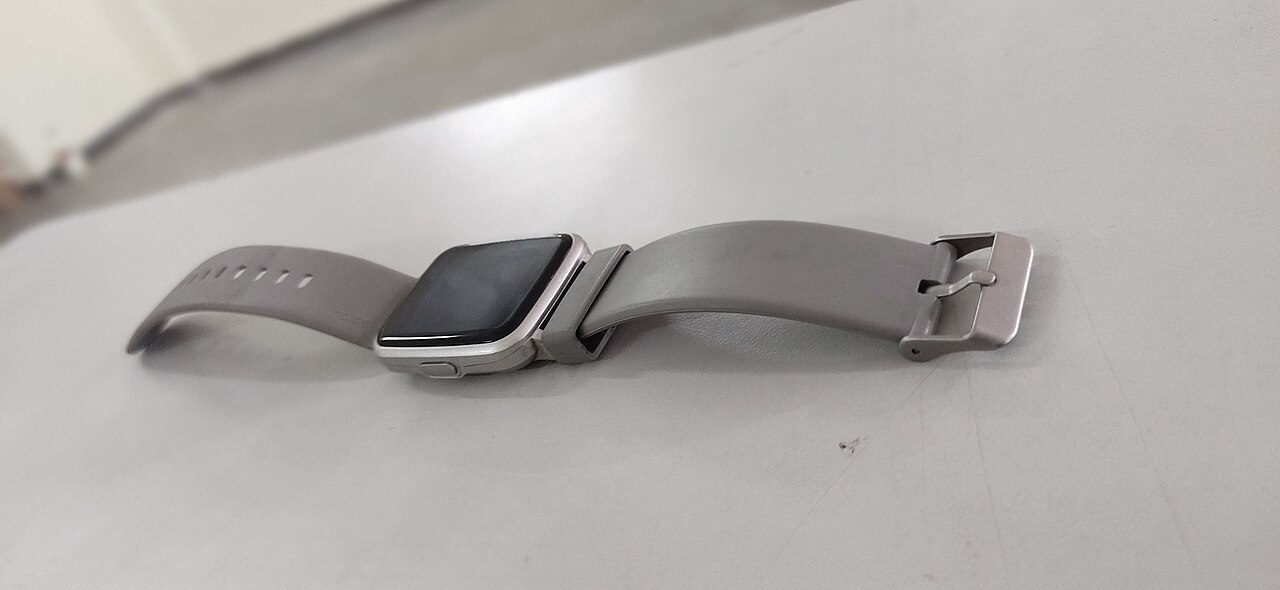
The device is yours, the service may not be
Think of a connected gadget as three layers: the physical hardware, the software running on it, and the online service it depends on. Ownership of the first layer is clear, because you paid for it. The other two are where trouble starts.
After any gadget startup shutdown, the real question is what still works. Many modern gadgets cannot do their main job without a company’s servers. The wearable needs an account to sync data, the camera needs a cloud service to store clips, and the speaker needs a login to stream anything. In a gadget startup shutdown the servers are usually among the first things switched off, since they cost money every month.
Roughly in order, support goes quiet first and warranties become hard to honor. Updates stop, so bug fixes and security patches no longer arrive. Cloud features such as syncing, remote access and voice commands degrade or end, sometimes on short notice. Finally the mobile app may break with a new phone operating system or vanish from the store.
After a gadget startup shutdown, a device that works fully offline, like a simple camera that saves to a card, usually survives well. One that is mostly a window into a cloud service can become close to useless overnight. This is the same pattern behind why hardware startups shut down even after raising real money: the product was only ever half of the business.
Who buys the pieces
In a gadget startup shutdown, creditors want to recover what they can. The assets sold usually include inventory, patents, brand names, source code, domain names and sometimes customer data. A buyer of the wreckage may take just the brand, just the technology, or just the key engineers.
For owners, three outcomes are possible. Another company may acquire the product line and keep the service running, perhaps with new pricing or terms. A buyer may take the technology but not the existing products, leaving current devices unsupported. Or nobody may want it, and the service simply ends.
Customer data raises a separate worry. Health readings, location history, voice recordings and home camera footage can be part of what is sold. Privacy policies often say data may be transferred in a sale or bankruptcy. Some regions scrutinize such transfers, but protections vary, so do not wait to find out. The privacy trade-offs are similar to those we discuss in wearable AI recorders and the walking microphone problem.
Security is the quiet risk
An unsupported connected device is more than an inconvenience. If a flaw is found after updates stop, it stays unpatched. A camera, doorbell or router in that state can become an easy way into your home network. Abandoned servers can also be taken over by someone else if their domain names expire, and a device that still tries to contact them may end up talking to a stranger. The wider category is often called the Internet of Things, and its weak point is long-term upkeep.
What to do when a gadget startup shutdown hits the news
Act while the service is still alive, because servers can disappear quickly and a few quiet days can cost you data.
- Export or download everything you can: workout history, photos, recordings and settings, in open formats where possible.
- Remove the device from any shared or linked account before the service ends.
- Factory reset it once your data is safe, so your details are cleared from the device itself.
- Change passwords for any account you linked, especially if you reused one.
- Ask the retailer or card issuer about refunds, since rules vary and you should check directly.
Look for community support too. Enthusiast groups sometimes keep popular devices running with open-source software or alternative apps. If the device is a security camera, door lock or similar equipment, replace it with a supported alternative as soon as practical. Keeping it on your main network is a poor trade.
Choosing better after a gadget startup shutdown
You cannot predict every failure, but you can lower the odds of being stranded. Prefer products that work locally, with cloud features as an extra rather than a requirement. Check whether the company has a track record, a clear update policy and a stated support period. Be careful with deeply discounted gadgets from new brands, since the price can reflect a shaky business. Devices that support open standards are easier to rescue, because other apps and hubs can take over. And keep your receipts and warranty terms.
None of this means avoiding startups entirely, or fearing every gadget startup shutdown. Small companies produce many of the most interesting ideas in hardware. It means treating a connected purchase as a relationship with a service, not a one-time sale.
The practical takeaway: when a gadget startup shutdown is announced, back up your data and secure or retire the device early. When you buy the next one, ask what it can still do if the company vanishes.