Flushing Queens is the stop where the number 7 subway line ends, and for plenty of New Yorkers it is where the best meal of the week happens. It is a dense, loud, delicious neighborhood in northern Queens, with one of the largest Asian communities in the city. If you only know Manhattan, spending an afternoon here feels like leaving the country, minus the flight.
Getting to Flushing Queens
The easiest way is the 7 train, which runs from Manhattan through Queens to its terminus at Flushing-Main Street. The ride from Midtown takes roughly 40 minutes, depending on the time and the train. You can also take the Long Island Rail Road, which is faster but costs more. Either way, the stations deposit you right at the middle of the action, so you do not need a car.
A route by the clock
Late morning: start on Main Street
Exit the station and you are in the middle of it. Main Street and the surrounding blocks hold bakeries, tea shops, herbal pharmacies, noodle counters and shops selling things you will not recognize. Walk slowly, look up at the signs, and let the crowd carry you for a while. Weekends are heavy with shoppers, so if you dislike crowds, come on a weekday.
Midday: eat in a food court
Some of the best eating is in basement food courts and mall corridors. The New World Mall food court is one of the best known, with small stalls selling regional Chinese dishes: hand-pulled noodles, soup dumplings, lamb skewers, Taiwanese snacks and more. Order a few things to share, rather than one large dish each. Many places take cash only or have minimum card amounts, so carry some cash, and check current details before you go.
Beyond Chinese food, you will find Korean, Taiwanese, Indian and Latin American places within a short walk. Northern Queens is known for exactly that sort of mix, and the food here tends to be a little more local and a little less polished than in Manhattan.
Afternoon: history at the edges
Flushing has a story that surprises people. The area was founded in the 1640s under Dutch rule, and the name comes from Vlissingen, a port town in the Netherlands. In 1657 residents signed a document known as the Flushing Remonstrance, a protest against the persecution of Quakers, often cited as an early statement of religious freedom in America. The Bowne House, a historic home from the 17th century, is tied to that story, and Flushing Town Hall is a historic building used for arts events. Opening hours vary, so check before visiting. For more background, see Flushing, Queens on Wikipedia.
Late afternoon: Flushing Meadows
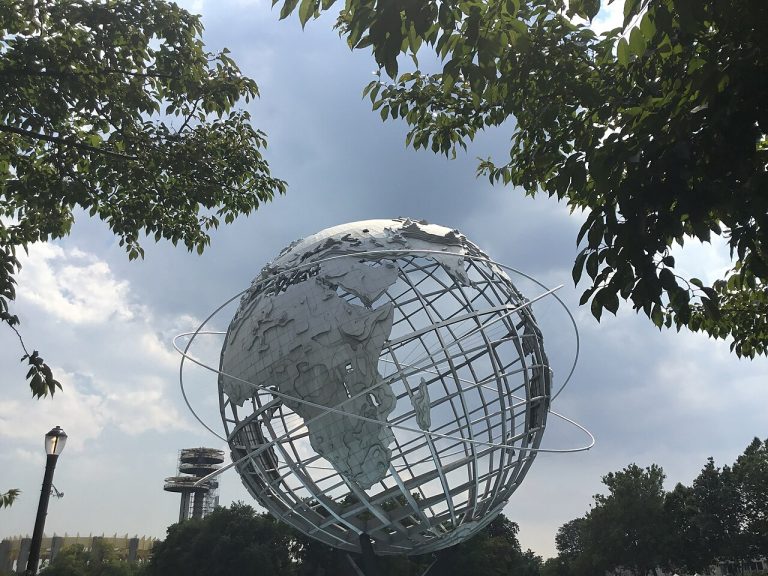
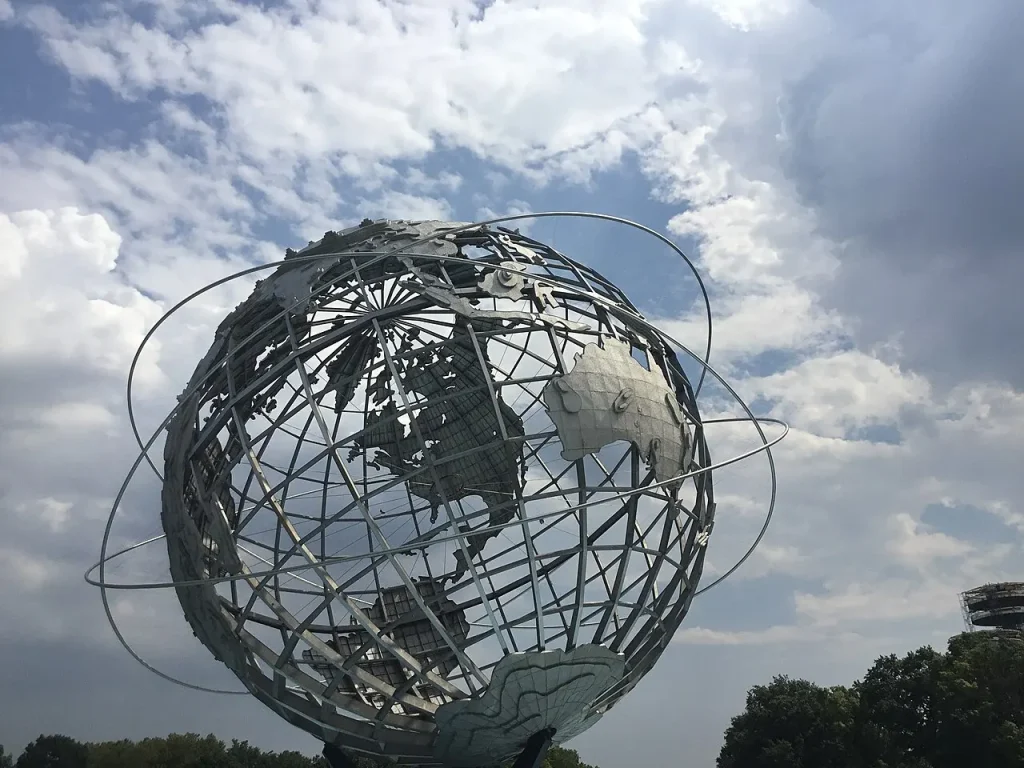
A short ride or walk from downtown Flushing takes you to Flushing Meadows-Corona Park, one of the largest parks in New York City. It hosted two World’s Fairs, and you can still see the Unisphere, a huge steel globe that stands as the park’s best-known landmark. The park also holds the tennis center where the US Open is played, as well as Citi Field, the home of the Mets, close by. Even on a regular day, it is a good place to walk off lunch.
What makes Flushing Queens worth the trip
Part of the pleasure is that it does not try to be a tourist spot. Locals shop here for groceries, buy produce in bulk, and meet friends for dim sum. That means prices at casual spots tend to be gentler than in Manhattan, and portions are often generous. It also means less English on some menus, so a translation app helps, and pointing at what the next table has works fine too.
Practical tips
- Bring cash. Not every stall takes cards.
- Go hungry and go with friends. Sharing lets you try more.
- Come early on weekends. The busiest hours are the afternoon and early evening.
- Wear comfortable shoes. You will walk more than you expect.
- Check seasons. The park is lovely in spring and autumn but can be hot in July.
Other things to see nearby
If you want a quieter break, the Queens Botanical Garden is a short trip from the center and offers plantings, trees and seasonal displays. Check opening times before you go. Another option is simply to wander into the residential streets around downtown, where older houses stand beside new apartment towers. The contrast shows how fast the neighborhood has changed over the past decades.
Flushing Queens is not a polished sightseeing district, and that is exactly why people love it. It rewards curiosity and a good appetite. Take the 7 train, pick a door that smells good, and see where it leads you.
More from us: New York.
Featured photo: Kidfly182 / Wikimedia Commons (CC BY-SA 4.0).