
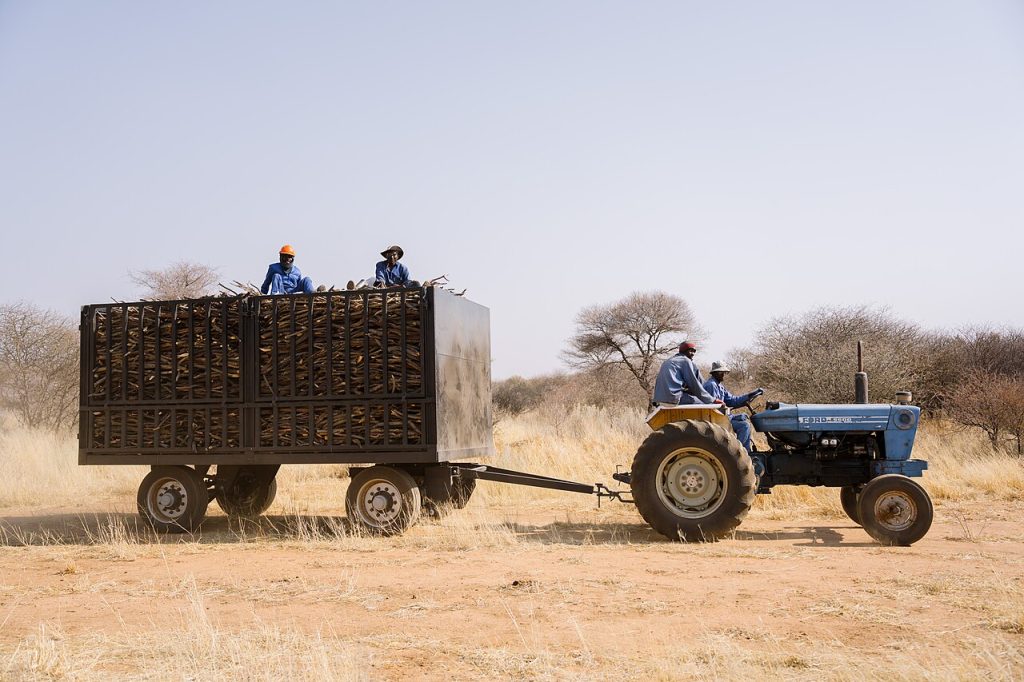
Farm HR software matters most at harvest, when a mid-sized farm’s crew can double in two weeks. Some people are paid by the hour, others by the bucket or the crate. A few work in three different fields in a single day. The owner is doing payroll on a Sunday night with a spreadsheet and a stack of paper tally sheets.
That scene is common, and it explains why farm HR software deserves more attention than it gets. Agriculture has people problems that ordinary office tools were never built to solve.

Why farm HR software is not office payroll
Most office payroll assumes a stable workforce, a fixed schedule and one workplace. Farms break all three rules. Staffing swings with the seasons, so a business may employ a handful of people in winter and many times that number at peak. Workers move between tasks and locations, and the location itself can be a field with no desk, no Wi-Fi and spotty phone signal.
Pay can be complicated too. Piece-rate pay, where workers earn per unit picked, sits alongside hourly wages, and rules can require that piece-rate workers still reach a minimum hourly level. Overtime, rest breaks and housing deductions can differ by region and by crop. Getting this wrong is not a minor slip: it can mean back pay and penalties.
Where the paperwork piles up
Hiring seasonal workers means collecting identity and work-eligibility documents quickly, often in several languages. Training and safety records matter as well, since farm work involves machinery, chemicals and heat. A record showing who completed which safety briefing, and when, protects both worker and employer.
Then come the smaller details that add up: tracking which crew member worked which block of trees, recording equipment certifications, managing time off, and keeping documents ready if an inspector visits. When all this lives in notebooks and email threads, important records get lost, and the owner pays for it later.
Good records also help with something less obvious: fairness. When a worker disputes hours or pay, a clear log settles the matter in minutes. Without it, trust erodes, and a farm that treats people badly will struggle to attract them next season.
What useful farm HR software looks like
The best farm HR software is built around how farms actually operate. A few features make the biggest difference.
- Phone-friendly time and task entry that works offline and syncs later
- Support for piece-rate and hourly pay in the same payroll run
- Simple onboarding for large groups of seasonal hires, in more than one language
- Storage for training, safety and certification records
Ease of use matters more than a long feature list. If a crew leader cannot log hours from a field in under a minute, they will go back to paper. Software that people avoid is worse than none, because it gives a false sense of control.
Why this niche is still underserved
Agriculture is large but fragmented, with many small operations and thin margins. Software makers often chase bigger, tidier markets, where customers have office networks and standard pay structures. Farms are harder to reach and less likely to adopt a tool that demands training and a monthly bill.
That gap creates room for focused products, though success depends on trust and simplicity. Farm owners tend to ask neighbors what works, so word of mouth does much of the selling. A product that saves the owner a weekend of payroll work will spread by recommendation.
Newer ideas, such as AI helpers inside business tools, may eventually help with scheduling or catching pay errors. For a sense of how that works in a familiar setting, see our explainer on what an AI agent inside a spreadsheet actually does. Hiring and automation also intersect in other fields, as in why companies deploy AI sales agents and still keep hiring humans.
For a broader definition of the category, the human resource management system page is a useful starting point, though most general systems stop short of farm specifics.
Compliance deserves its own mention. Labor rules for agricultural work differ widely between regions, covering pay, housing, transport and the hours of younger workers. A farm HR software tool that stores your records in an organized way makes audits less stressful, because you can answer a question in minutes instead of searching through boxes.
Cost is an honest concern. Many growers worry that a new tool will be one more subscription with little payoff. A fair test is to trial farm HR software during one busy period, count the hours saved on payroll and paperwork, and compare that with the price. If the numbers do not work, walk away.
Training is the last piece. Seasonal workers need to know how to clock in, report an injury and ask about pay, and a short guide in their own language helps. Farm HR software that includes simple prompts and reminders keeps supervisors from repeating the same instructions all season.
The conclusion for any grower is practical, and it applies to every size of farm. Before picking a tool, list your own pain points: pay types, crew size swings, record needs and connectivity. Then judge farm HR software by whether it solves those, not by how many features appear on the sales page.



