

For decades, the defence sector was dominated by a small group of large contractors. In recent years, defence technology startups have entered the field, building autonomous systems, sensors, software and manufacturing methods. Investors have noticed, and funding has followed. The topic is complex and sensitive, so it helps to look at defence technology startups with a calm, factual lens.
In this article
Why interest in defence technology startups has grown
Governments are modernising their equipment in response to changing security conditions. Commercial technology, such as drones, cloud computing, artificial intelligence and advanced manufacturing, has advanced rapidly and can be adapted for defence uses. Start-ups often move faster and at lower cost than traditional programmes, which attracts buyers looking for agility.
What these companies build
- Autonomous and uncrewed systems: Vehicles for air, land and sea.
- Sensors and surveillance: Tools for detecting and tracking.
- Software and analytics: Command, planning and data fusion.
- Communications and cybersecurity: Secure networks and resilience.
- Manufacturing: New ways to produce parts more cheaply or quickly.
- Space systems: Small satellites for communication and observation.
The procurement challenge
Selling to governments is slow. Contracts require compliance with detailed regulations, security clearances and lengthy testing. Budgets follow annual cycles, and the path from prototype to production can take years. Many start-ups run out of money before they win a large contract, so patient investors and government programmes that support early-stage companies are important.

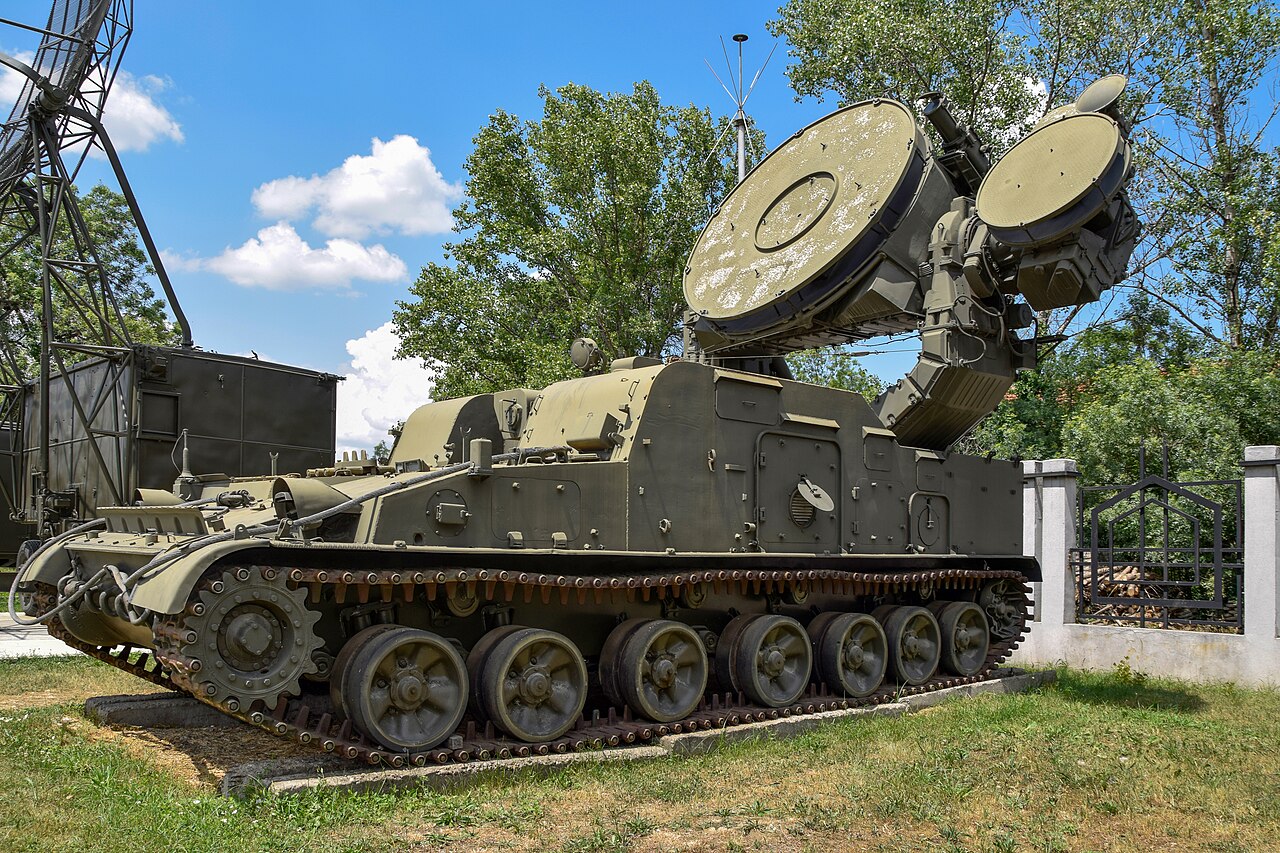
via Wikimedia Commons (CC BY 4.0)
If you are trying to understand defence technology startups, start with the customer. Unlike most consumer companies, defence technology startups often depend on a few government buyers, long procurement cycles and strict security rules. That changes how they hire, how they raise money and how long they can wait before a product earns revenue.
The business model of defence technology startups
Revenue may come from prototype contracts, research grants and eventually production orders. Some companies sell to allied governments, which requires export approvals. Others pursue dual-use products with both civilian and military applications, spreading risk.
Ethical questions
Technology used in conflict raises serious ethical issues. Debates include autonomy in weapons, accountability for decisions, civilian harm, export controls and the responsibility of engineers and investors. Companies often publish principles and work within legal frameworks, but public discussion remains essential. Employees may have strong views about whether to work on such projects, and responsible employers listen.
Regulation and oversight
Governments regulate who may build and sell defence equipment and to whom. International agreements and national laws restrict certain technologies. Transparency, oversight by elected officials and adherence to humanitarian law are fundamental.
Risks for investors
Revenue can be lumpy, and political changes can alter budgets. Technology may not perform as expected in demanding environments. Reputational concerns and restrictions on some funds also affect fundraising. Careful due diligence on contracts, certifications and security is vital.
Effects on the wider tech industry
Talent moves between sectors, and techniques developed for defence sometimes find civilian uses, as happened with the internet and satellite navigation. At the same time, concerns about militarising technology lead some companies to limit their involvement.
A common mistake is judging defence technology startups by the same yardstick as a consumer app. Fast growth in downloads means little here. What counts is whether a product passes testing, meets standards and fits into existing equipment. Patience and paperwork matter as much as clever engineering.
Community and local impact
Defence manufacturing and research can bring jobs and investment to regions. Communities may welcome them or have concerns. Open dialogue about safety, environment and long-term plans helps.
What to watch
Look for contracts that move beyond prototypes, evidence of performance in testing, the strength of supply chains and clear governance. Pay attention to public debate and policy developments.
A balanced reading of the news
When you see a funding announcement, look for specifics: what product is being built, who the customer is, what stage of testing it has reached and what oversight applies. Treat promises of rapid revolutions with caution, and balance enthusiasm about innovation with attention to ethics, law and the humanitarian consequences of technology.
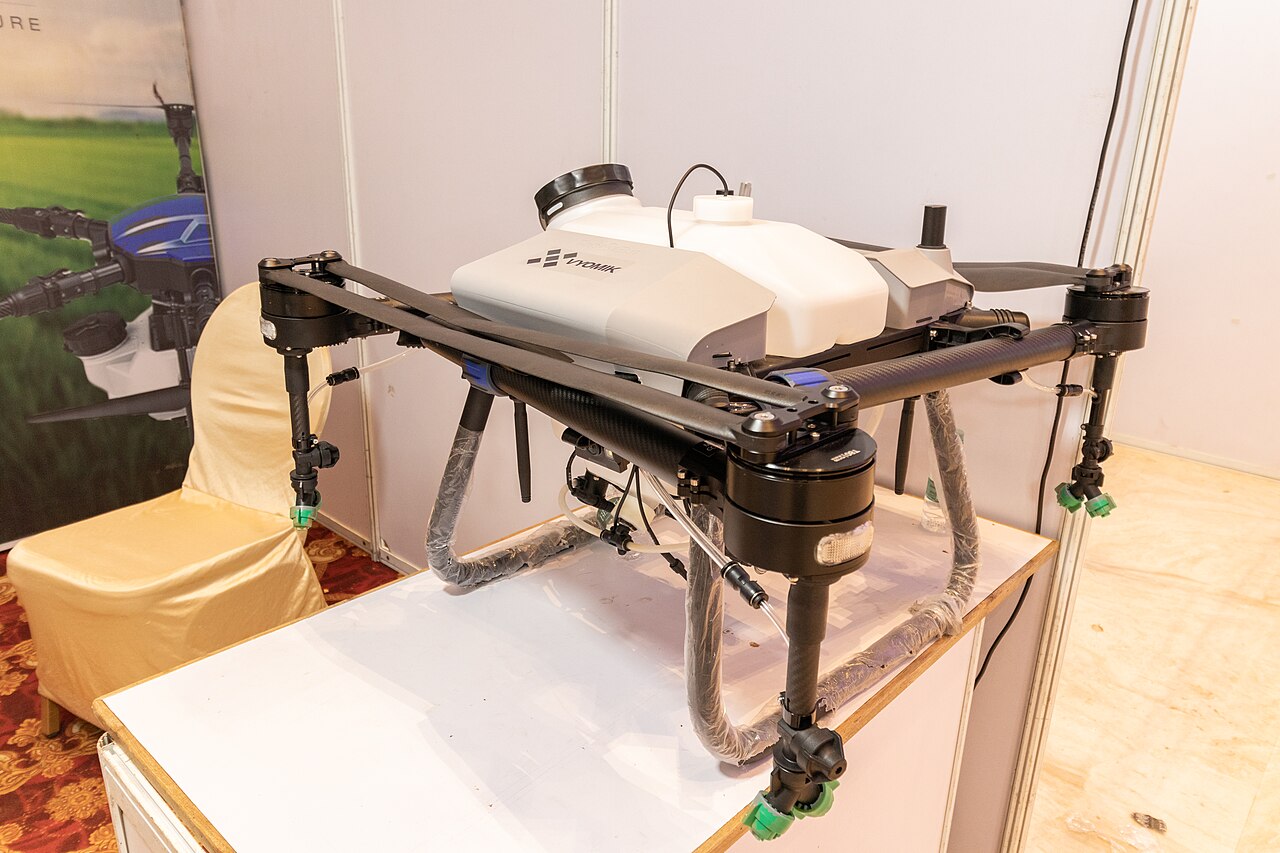
The valley between prototype and contract
A demonstration that impresses a room is a long way from a product a military can field. Equipment has to survive heat, cold, dust, vibration and interference, work with existing systems and be maintained by people with limited time. Many defence technology startups discover that the hardest engineering is not the clever core idea but certification, documentation and spare parts. Buyers also want to know who will support the product for years.
This is why patient capital and early government programmes matter. A company that can survive the gap between prototype and production has a far better chance than one relying on a single pilot. Policy shifts matter too: procurement reforms that shorten approval times make life easier for defence technology startups, while sudden budget changes do the opposite. Investors who understand this rhythm plan for long sales cycles rather than expecting quick growth.
A quick checklist for readers: find out who the customer is, what stage the contract has reached, which rules govern the product, and how the company plans to survive between awards. Defence technology startups that can answer those four points clearly tend to be more credible than ones relying on bold promises alone.
Dual-use and what it means for outsiders
Some products have both civilian and military applications, a category commonly described as dual-use technology. Drones and secure communications are familiar examples. Dual-use can widen the market for defence technology startups, but it also blurs ethical lines, since a tool built for one purpose can be repurposed. To follow the money more closely, our guide to how mega funding rounds work explains the mechanics, and how acquisitions close shows what happens when a larger firm buys a promising company.
Final thoughts
The rise of defence technology start-ups shows how commercial innovation and national security increasingly intersect. The opportunities are significant, and so are the responsibilities. Thoughtful regulation, honest communication and ethical reflection must accompany the technology.
Image credit: iMahesh via Wikimedia Commons (CC BY-SA 4.0).



