Every few years someone declares the smartphone dead, and every few years we all keep tapping glass rectangles. Yet the idea of moving beyond the phone is more than a slogan. Tech leaders, Mark Zuckerberg among them, have talked openly about wanting the next major computing device to be something you wear, most plausibly a pair of smart glasses. It is worth asking what that would take.
Why companies want a post-phone device
There is a business reason behind the vision. Two companies control the major mobile software platforms, and others must play by their rules on distribution, payments and what features are allowed. A company that builds its own hardware platform escapes that dependency. Add the lure of a new category of product and the appeal is obvious.
There is also a usability argument. Phones demand your hands and eyes. You look down, thumb through an app, look up. A pair of smart glasses promises information in your line of sight and a camera that sees what you see, which could make tasks such as navigation and translation more natural.
It helps to remember that the real competition is not just between gadget makers but between habits. People already carry a phone that does nearly everything well enough. A new device must do at least one important thing noticeably better, and it must not make life worse in the process. Many promising gadgets stumble on exactly this point: clever technology, but no reason to leave the pocket computer behind. Watch for the first use that people genuinely cannot do without, because that usually decides the category.
What smart glasses can do today
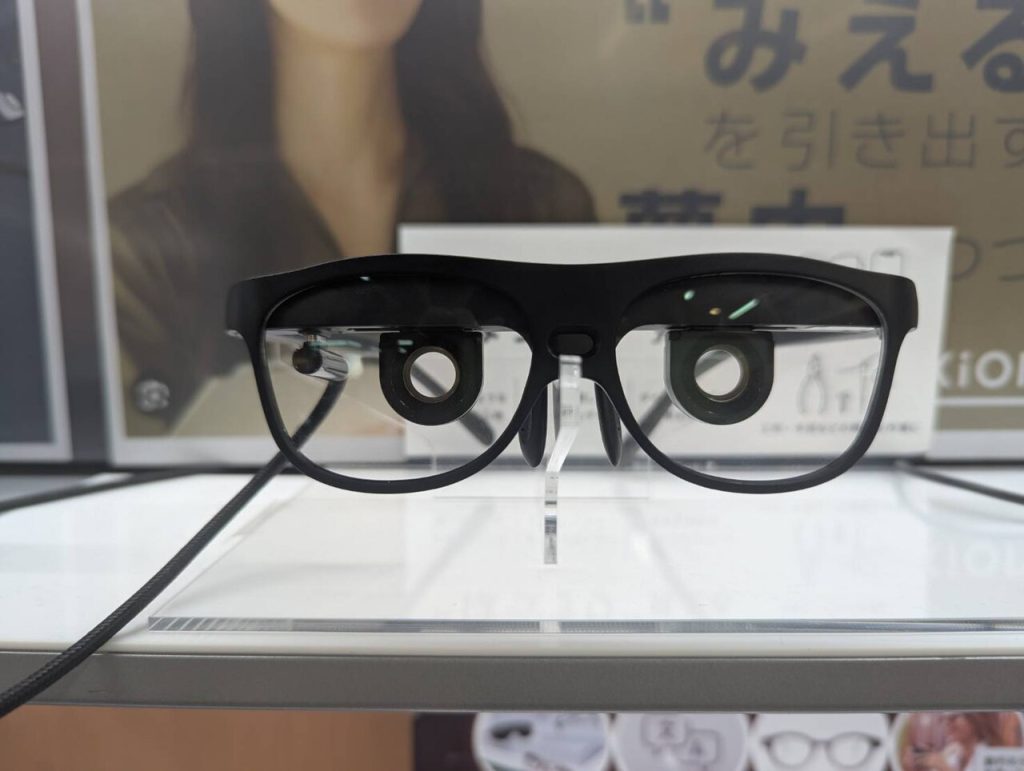
Current products fall into a few types. Some smart glasses add a camera, speakers and a voice assistant, letting you take photos, play music and ask questions hands-free. Others have small displays that show notifications or directions. A third group is full augmented reality headsets that place three-dimensional objects in the room, but those tend to be bulky and expensive.
The hard truth is that the lightweight, all-day, full-colour augmented reality smart glasses people picture in concept videos do not yet exist at ordinary prices. Engineering them requires tiny bright displays, long battery life, cool-running chips and optics that look like normal lenses. Each of these is difficult; getting all of them at once is harder.
The obstacles facing smart glasses
Several problems stand between today’s smart glasses and a phone replacement.
Battery and heat come first. A thing on your face cannot get hot or need charging at noon. Display quality in sunlight is much harder to achieve than in a dim room. Input is another hurdle: typing on air is awkward, and talking to your glasses on a crowded train feels odd. Style matters, because people will only wear them if they look good, and prescription lenses add cost and complexity.
Some companies working on smart glasses also build wristbands that detect small muscle signals as a way to control devices with tiny hand movements. It is an intriguing approach to the input problem, though it remains early.
Privacy and social acceptance
If you are weighing up a purchase, our checklist for judging a pair of AI glasses before you buy lists the questions worth asking about fit, battery and privacy.
A camera on someone’s face makes bystanders uneasy. Earlier attempts at camera glasses failed partly for that reason. Designers now add visible indicator lights and limit recording, but norms will take time to settle. Restaurants, gyms and workplaces may set their own rules, as they did with early camera phones.
There is a middle path in the meantime. Earbuds, watches and voice assistants already take small jobs off the phone, and glasses are an extension of the same trend. You may find that you check your phone less without ever giving it up, and that is a perfectly respectable outcome for any new gadget.
There is also the question of data. Glasses that see and hear your surroundings generate sensitive information. Who processes it, where it is stored and how it is used for advertising are questions that deserve clear answers before wearing one all day.
So will smart glasses make phones disappear?
Upgrade cycles matter here too. Most people replace a phone every few years, and each new model is a chance for a rival product to tempt them away. Our phone upgrade checklist shows what a new device has to beat.
Probably not soon, and maybe never in the dramatic way predicted. A more likely path is gradual: smart glasses and watches take over tasks one by one, such as quick replies, photos, directions and audio, while the phone remains the pocket computer for heavier things. History suggests new categories add to old ones before replacing them. Laptops did not kill desktops overnight, and tablets did not kill laptops.
If you are curious, try a pair of camera-and-audio smart glasses to see whether the idea suits your life. Just keep a healthy scepticism toward grand claims. The device that finally replaces the phone may arrive quietly, as a tool that does a few things so well that one day you notice you left your phone at home and did not miss it.