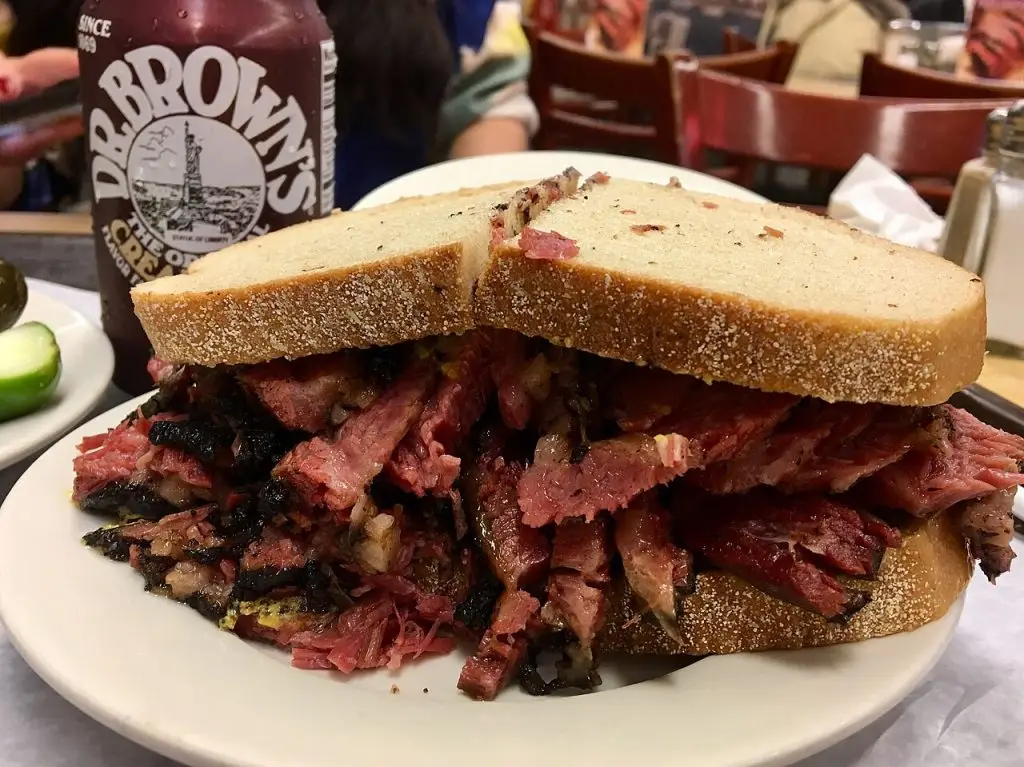
The deli question
Ask five New Yorkers for the best Jewish deli NYC has to offer and you will get six answers. The city’s delis are part of its identity, and everyone has a loyalty, usually tied to a family memory. Instead of crowning a single winner, this guide explains what to look for, what to order and how to plan a visit. It is more useful than a list that is out of date by next season.
A short history
Jewish delicatessens in New York grew out of the immigrant communities of the Lower East Side in the late 19th and early 20th centuries. Eastern European Jewish cooks adapted their curing and smoking traditions to American ingredients. Pastrami, corned beef and rye bread became classics. Many delis spread across the city, then declined in number, and today a mix of old institutions and newer places carry the tradition.
What to order
Pastrami sandwich
The signature dish. Beef brisket is brined, spiced, smoked and steamed, then sliced by hand and piled on rye bread with mustard. A good one is tender and peppery, with a smoky edge.
Corned beef
Similar, but usually less smoky and with a different spice profile. Many people order half and half to compare.
Matzo ball soup
A chicken broth with a dumpling made from matzo meal. It is comforting and a good starter, or a meal alongside a half sandwich.
Other classics
- Potato knish
- Latkes, in season
- Chopped liver
- Smoked fish platters with bagels
- Cheese blintzes
- Egg cream, a soda-fountain drink made with milk, seltzer and chocolate syrup
Pickles
Most delis serve a plate of pickles on the table. Half-sour and full-sour pickles show the kitchen’s skill.
How to judge a good deli
1. The bread: fresh rye with a good crust.
2. The meat: hand-sliced, moist, not dry at the edges.
3. The pickles: crisp and properly sour.
4. The crowd: a busy dining room with a mix of locals and visitors is a good sign.
5. The sides: soup and knish that taste homemade.
Prices and portions
Portions are famously large, and prices reflect that. A pastrami sandwich in Manhattan often costs more than a standard lunch elsewhere, so many people share one. If you want to try several dishes, go with friends and order to share. Check each deli’s menu on its own website, since prices change.
Kosher or kosher-style?
Many New York delis are kosher-style, which means they serve traditional Jewish dishes but are not necessarily certified kosher. Others are strictly kosher, with separate rules about meat and dairy. If you keep kosher, check certification carefully before you go.
Where to look
Delis are spread across Manhattan, Brooklyn, Queens and beyond. The Lower East Side and Midtown have well-known names, and some neighbourhoods in Brooklyn and Queens have beloved local spots. Read recent reviews, check opening hours and see whether the deli takes reservations or only walk-ins. Several have long queues at peak times.
Tips for visiting
- Go at an off-peak time, such as mid-afternoon, to skip the queue.
- Bring cash for tips, even if cards are accepted.
- Ask for mustard, not mayonnaise, with pastrami.
- Do not rush. Part of the point is to sit and enjoy.
- Be ready to take half home. Leftovers make a good next-day lunch.
Drinks and dessert
Try Dr. Brown’s soda, a cream soda or black cherry soda that appears in many delis. For dessert, rugelach, black-and-white cookies, cheesecake and rice pudding are common.
Looking beyond Manhattan
Do not assume the best deli is in Midtown. Some of the most loved places sit in outer boroughs, and neighbourhood spots can be cheaper and less crowded. The NYC Tourism site is a helpful starting point for neighbourhood ideas and events.
A note on etiquette
Deli staff are quick and direct, and counter service moves fast. Know your order before you reach the front, say please and thank you, and tip the counter person when they slice your meat. Many regulars ask for a taste of the pastrami before they commit, and good counter staff will usually hand one over with a smile.
Final thoughts
The best Jewish deli NYC offers is the one that serves warm, hand-sliced pastrami on fresh rye, with a crisp pickle on the side. Go hungry, share a sandwich, and try the soup. You will quickly see why the argument never ends.
Related reading: Pink Tulips Meaning: Affection, Care and Gentle Joy.