A few years ago, adding machine learning to a gadget meant better photo filters or a smarter voice assistant. Now it is arriving in the things we wear to bed, strap to a wrist, place beside a crib or carry in a pocket all day. These devices learn from signals that are deeply personal: heartbeat, sleep, movement, mood, location, voice. AI gadget privacy has therefore stopped being a footnote and become a main reason to read the box before buying.
Why these devices are different
A phone knows a lot about you, but you can put it down. A ring, band or patch that stays on your body collects data continuously, including when you are asleep or unwell. A speaker in a bedroom hears what is said in private. A toy or companion device may talk to a child who does not understand what is being recorded.
Machine learning adds two things. First, it can find patterns in raw signals that a person would never notice, such as a pattern in sleep that hints at an illness. Second, it often needs lots of data to work, which creates pressure to collect and keep more than the user would expect.
Put together, a small, friendly gadget can end up holding a detailed picture of your body and habits. That is why AI gadget privacy deserves more care than the average app permission.
Where the processing happens
The most important technical question for AI gadget privacy is whether the data stays on the device or goes to a company’s servers.
On-device processing means the model runs inside the gadget, or on your phone, and raw readings are not sent out. This usually protects privacy better, because there is less to leak, share or subpoena. Cloud processing sends readings to remote servers, where they may be stored, combined with other data and used to improve products.
Neither is automatically good or bad. Cloud systems can be more powerful and are easier to update. But they ask you to trust the company with information that can be very sensitive. A good manufacturer explains plainly which parts happen where.
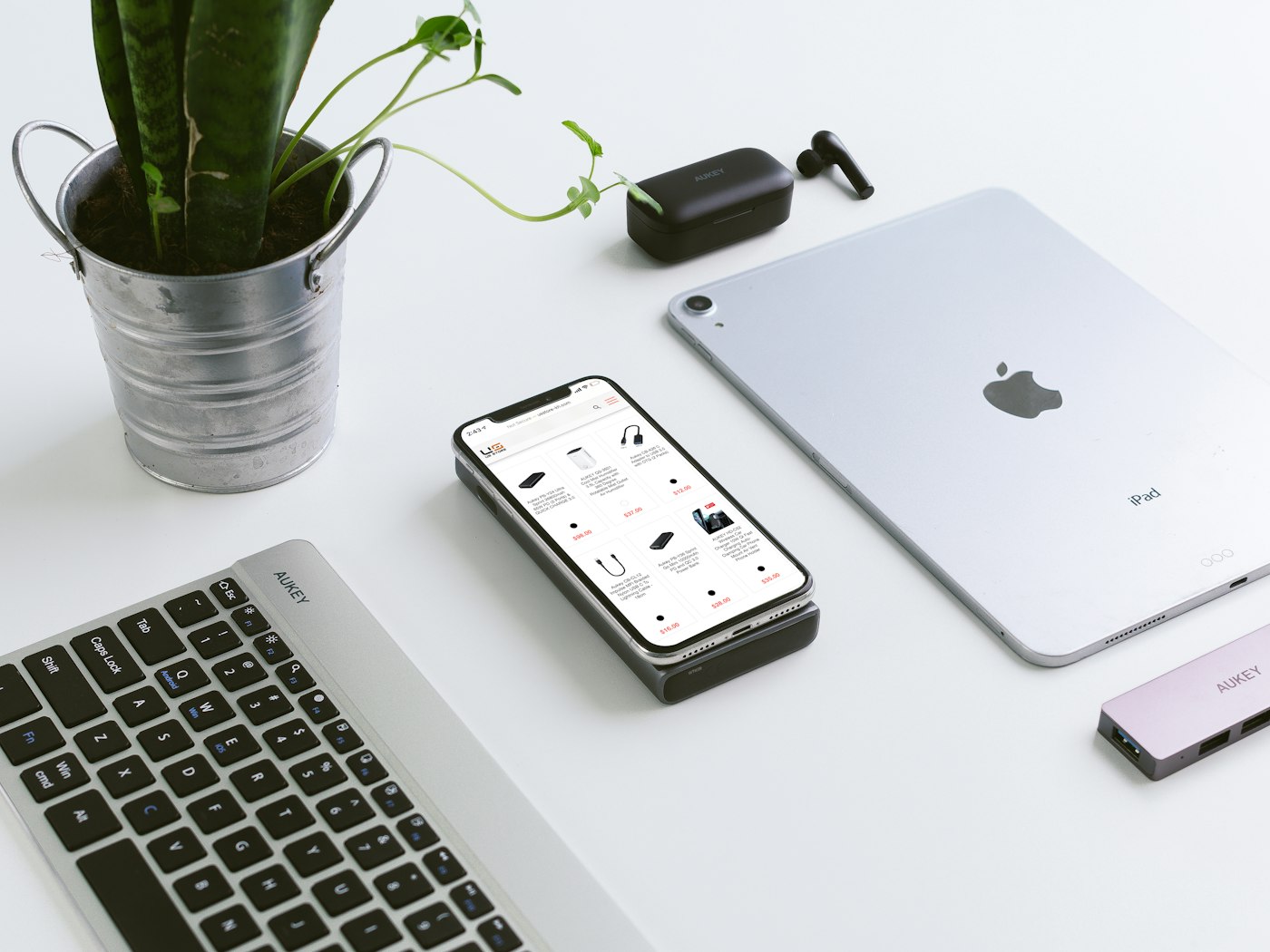
Questions to ask about AI gadget privacy
Before you buy, or before you switch on a new device, work through a short list.
- What does it sense? Check the sensors: microphones, cameras, heart-rate monitors, motion, location.
- What is sent off the device, and is it needed for the feature to work?
- How long is data kept, and can you delete it, including past recordings and derived results?
- Is data shared with partners, advertisers or insurers? Look for the wording, not just the headline.
- Is data used to train the company’s models, and can you opt out?
- What happens if the company is sold or shuts down?
- Does the device work at all without an account or an internet connection?
Compare two products side by side on these points, and the one with clearer AI gadget privacy answers is usually the better bet. A trustworthy answer is specific. Vague phrases like “to improve your experience” tell you very little.
Health, children and other sensitive cases
Some uses carry extra weight. Health readings may be protected by special laws in some countries, but many consumer wearables fall outside those rules, which means the maker’s own policy is what counts. Our article on what a smart ring can really tell you about your health explains both the benefits and the limits of that data. Health data is where AI gadget privacy slips cost the most, since it can affect insurance, employment and personal relationships if it spreads.
Children are the most sensitive case of all. If a device talks to your child or records their voice, check the age rules, the controls for parents and whether recordings can be deleted. Our checklist for AI companion gadgets covers the questions to ask when a gadget is built to chat.
Think too about people who did not choose the device. A guest in your home may not realise a speaker is listening. Tell visitors, and place devices with other people in mind.
Security and habits that protect AI gadget privacy
A promise about AI gadget privacy is only as good as the security behind it. A device with a weak default password, no update system or an insecure connection can be taken over, however kind the company’s policy. Look for a record of regular updates, a clear way to report problems and basic protections such as two-step sign-in for the account.
When a device stops getting updates, think about retiring it. An abandoned gadget with sensors and a network connection is a risk that grows quietly each year.
You do not need to give up every smart gadget. A few habits go a long way.
Turn off features you do not use. Review permissions after each update. Use separate email addresses for device accounts if you can. Keep the app up to date. And when you stop using a device, delete your account data before you sell or recycle it, then reset the hardware.
For general background, the Wikipedia article on wearable technology shows how wide the category has become.
Good AI gadget privacy is not about refusing technology. It is about knowing what the device senses, where the data goes and who can use it, then deciding whether the benefit is worth that exchange. The closer a gadget sits to your body and your private life, the more that decision deserves a few minutes of attention.