Picture a shipment moving across a country. Trucks, trains, ships, and warehouses get most of the attention. But behind each movement sits a surprising pile of paper: quotes, rate confirmations, bills of lading, delivery receipts, invoices, and customs forms. Much of it still arrives as emails with attachments, scanned PDFs, or even faxes. Cleaning up that mess is the job AI freight paperwork tools are taking on, and it is a good example of useful, unflashy automation.
Why logistics runs on messy documents
Freight is a fragmented industry. A single move may involve a shipper, a broker, a carrier, a warehouse, a receiver, and a bank, each using its own systems and formats. No universal standard binds them all, so information passes through email and phone calls and gets retyped into different software. Every handoff is a chance for errors: a wrong address, a missed delivery window, a mismatched weight.
Small and mid-sized companies feel this most. They often cannot afford large integration projects, so staff spend hours copying data between inboxes and spreadsheets.
What AI can do about it
Modern language and vision models are good at reading semi-structured text, which is exactly what freight paperwork is. Typical jobs for AI freight paperwork include:
- Reading incoming requests. Pulling origin, destination, dates, weights, and equipment type out of an email and turning it into a quote request.
- Extracting data from documents. Reading bills of lading and proof-of-delivery images and entering the details into a system.
- Matching and checking. Comparing an invoice with the agreed rate and the delivery record, and flagging mismatches.
- Updating status. Reading carrier messages and tracking events to keep customers informed without a phone call.
- Drafting replies. Preparing standard responses for a person to approve.
None of these is glamorous, but each removes minutes from a task that happens hundreds of times a week.
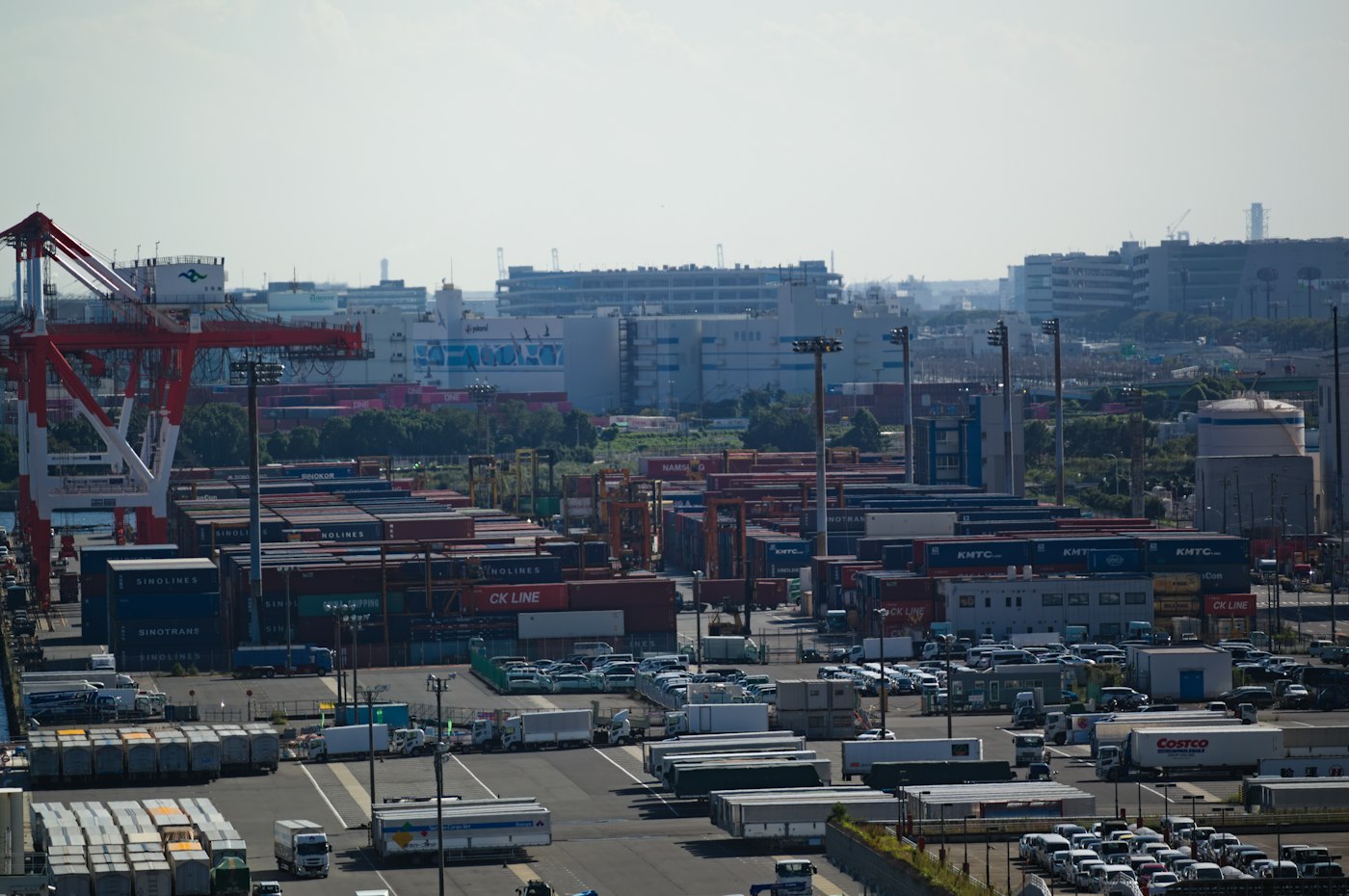
The AI freight paperwork workflow in practice
- A message or document arrives in a shared inbox.
- The software classifies it: quote request, status update, invoice, claim.
- It extracts the key fields and checks them against existing records.
- If confidence is high, it acts, for example by creating a load or sending a confirmation.
- If confidence is low, it passes the item to a person with the doubtful fields highlighted.
- Corrections feed back, so the system improves.
That last pair of steps is the key. Good AI freight paperwork systems know when to ask for help instead of guessing. A similar idea of keeping people in the loop is discussed in human-in-the-loop AI for sales teams.
Where AI freight paperwork can go wrong
- Bad scans and handwriting. Smudged, skewed, or handwritten documents still trip up extraction.
- Silent errors. A wrong number that looks right is worse than a blank field. Validation rules, such as checking that weights fall in plausible ranges, matter.
- Edge cases. Unusual shipments, hazardous materials, and cross-border rules have exceptions that need experienced people.
- Integration gaps. A tool that reads data but cannot write it into your transport management system just moves the typing elsewhere.
- Security. Shipping data can include commercially sensitive details, and email fraud is common in freight, including fake requests to change bank details.
How to start small
If you run a freight or supply-chain operation, resist the urge to automate everything. Pick one repetitive, high-volume task, such as entering delivery receipts or answering where-is-my-shipment emails. Measure how long it takes now and how often mistakes occur. Run the automation alongside people for a few weeks, compare results, and expand only when accuracy holds. Keep a human approval step for anything involving money or customer commitments.
Ask vendors practical questions too. Which systems do they connect to? How are errors surfaced? Who owns the data? Can you see why the system made a decision? Related problems of trust in autonomous systems come up in why self-driving trucking startups keep changing direction.
What AI freight paperwork means for the people doing the work
Automation tends to change jobs more than eliminate them, at least at first. Dispatchers and brokers spend less time retyping and more on relationships, exceptions, and negotiation, which need judgment. Companies that treat automation as a way to handle more volume with the same team, rather than a simple cost cut, usually see better results and happier employees.
A worked example shows the scale of the savings. A mid-sized broker might receive hundreds of load requests and delivery documents a day. If each takes three or four minutes to read and key in, that is hours of repetitive work that adds nothing to the customer relationship. AI freight paperwork tools can handle the routine ones and leave the odd or risky ones to staff. The point is not to remove people; it is to put them where they add the most value.
Accuracy needs tracking, though. Pick a few simple measures, such as the share of documents handled without correction and the number of errors that reach a customer, and review them weekly. Good AI freight paperwork systems improve as corrections accumulate, but only if someone is watching the numbers and feeding the lessons back in.
The quiet payoff
Supply chains rarely make headlines until something breaks. Improvements in paperwork do not look dramatic, but faster quotes, fewer billing disputes, and clearer tracking add up. For background on the industry, see the overview of logistics. If AI freight paperwork takes the drudgery out of the back office, the trucks, ships, and warehouses it supports will run a little more smoothly, and that is progress worth having.