A small device sticks to your windshield, plugs into your car, and suddenly the vehicle steers itself on the highway. That is the pitch for aftermarket driver assistance products, a category that includes the project many people look up as comma ai. The idea appeals to car enthusiasts and anyone whose vehicle lacks modern safety features.
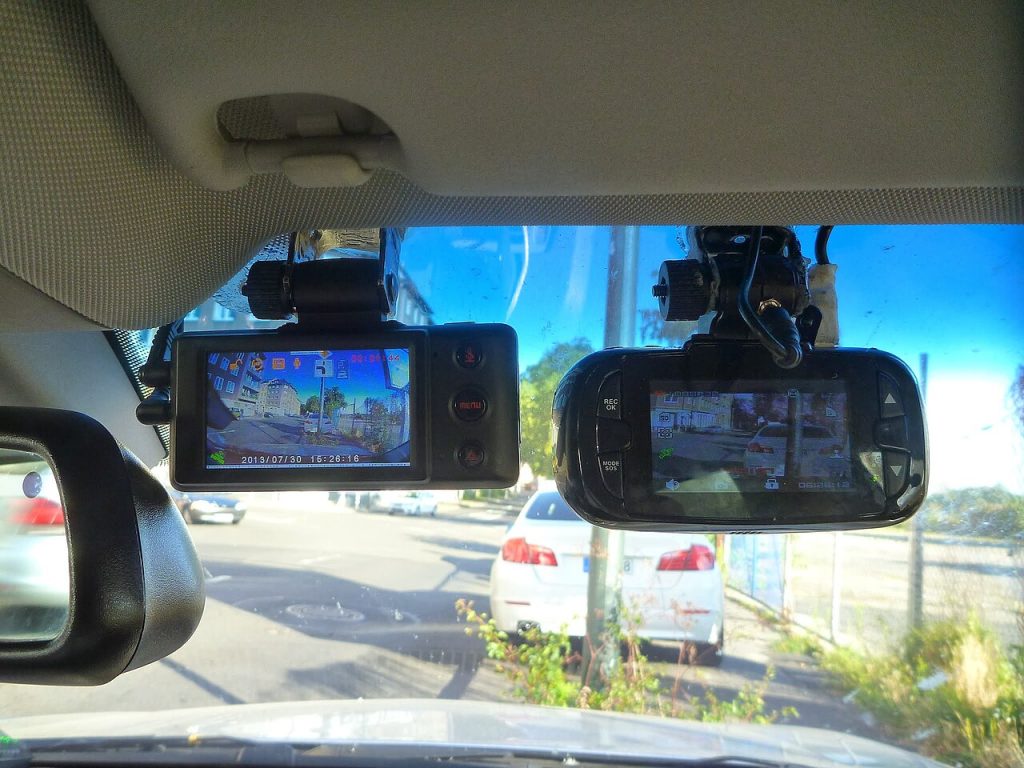
Plenty of people are curious about driver assistance, and some are tempted. Before you stick anything on your glass, it is worth understanding how these systems work, what they do not do, and how responsibility is shared.
This is not a recommendation for or against. It is a plain explanation of what you are signing up for.
How an add-on connects to your car
Most modern cars already have electronic control systems that manage steering, throttle, and braking. These units talk to each other over an internal network. Many cars also include basic driver assistance features such as lane keeping or adaptive cruise control, even if they are limited.
An aftermarket driver assistance device typically has a camera facing the road and a small computer. It plugs into the car’s network through a harness and sends commands to the existing systems, effectively taking over some of the work they already do. Software processes the camera images, identifies lanes and vehicles ahead, and decides how to steer or adjust speed.
Because aftermarket driver assistance relies on what the car already offers, compatibility is limited. Only certain makes, models, and years work, and the feature set varies. Always check the supported-vehicle list before purchasing, rather than assuming your car is covered.
Installation itself is usually described as simple, involving a harness that clips in near the rear-view mirror, but it still means touching your car’s wiring, so follow the instructions closely or ask a professional.
If anything looks different from the guide, stop and check before continuing.
The safety questions
Driver assistance is exactly that: assistance. These products require you to remain attentive with your hands ready. Many include monitoring that uses a camera to check that you are watching the road, and some warn or disengage if you look away.
Even so, a system that works smoothly most of the time can encourage complacency. A faded lane marking, a sharp curve, a construction zone, or heavy rain can confuse software. You must be ready to take over instantly.
A second concern with driver assistance is software quality. Open-source projects allow anyone to inspect the code, which helps transparency, but openness does not by itself equal safety. Ask how the product is tested, how updates are handled, and what happens when something fails.
Finally, consider the car’s own safety systems. Installing an add-on changes how they are controlled. Make sure it does not disable features you rely on, and read what the maker says about fallbacks.
Ask what the device does if the camera is blocked by glare, mud, or a sticker on the glass. A safe design hands control back to you clearly and early, with an alert you cannot miss.
Test the disengagement behaviour in a safe, empty area before relying on it, so the first time you feel it is not a surprise at highway speed.
Driver assistance: legal and insurance issues
Rules differ by country and region. Some places permit this kind of device with the driver in full control, while others have stricter vehicle modification laws. Check local regulations before installing anything that alters how your vehicle steers or brakes.
Warranty is another worry. A car manufacturer may refuse to cover problems it believes were caused by modifications. Even if the add-on is removable, a dispute is possible if something goes wrong with a related system.
Insurance deserves a direct conversation. Tell your insurer what you intend to install and ask in writing whether you remain covered. If an accident happens and the device was involved, an unprepared policyholder can face difficult questions. The driver is generally still the responsible party.
If you sell the car, disclose the modification, and remove the device and harness according to the instructions.
A buyer deserves to know what has been done to the vehicle, and a clean removal helps the car pass any inspection.
Who might consider one, and who shouldn’t
These products may suit technically curious drivers who understand the limits, drive mostly on well-marked highways, and treat the system as a helper rather than a chauffeur. Long, monotonous commutes are where assistance can reduce fatigue.
Passengers should know the device is on and what to expect, because sudden steering inputs can alarm someone who has never seen them.
They are a poor fit for people looking for a hands-off solution, those who do not want to read installation guides, or anyone who would be tempted to relax their attention. If your car already has a good factory driver-assistance package, using that is often simpler and better supported.
If you want to read around the subject, the Wikipedia article on advanced driver-assistance system gives a plain overview, and two related pieces on this site are Picking a Podcast Host: What to Check Before You Upload Episode One and Paid Online Companionship Apps: What to Know Before You Chat With Strangers.
Whatever you decide, treat marketing claims with caution, read independent reviews, and talk to other owners of your exact model. A device that promises to make driving easier should make you more careful, not less.