Air traffic control is the network of controllers, radars, radios and computer systems that keeps every flight you take separated and moving. Much of this infrastructure was designed decades ago, and some of it still depends on older technology. Modernisation programmes aim to improve reliability and capacity. Artificial intelligence is part of the discussion, but safety rules make progress deliberate.
In this article
How air traffic control works day to day
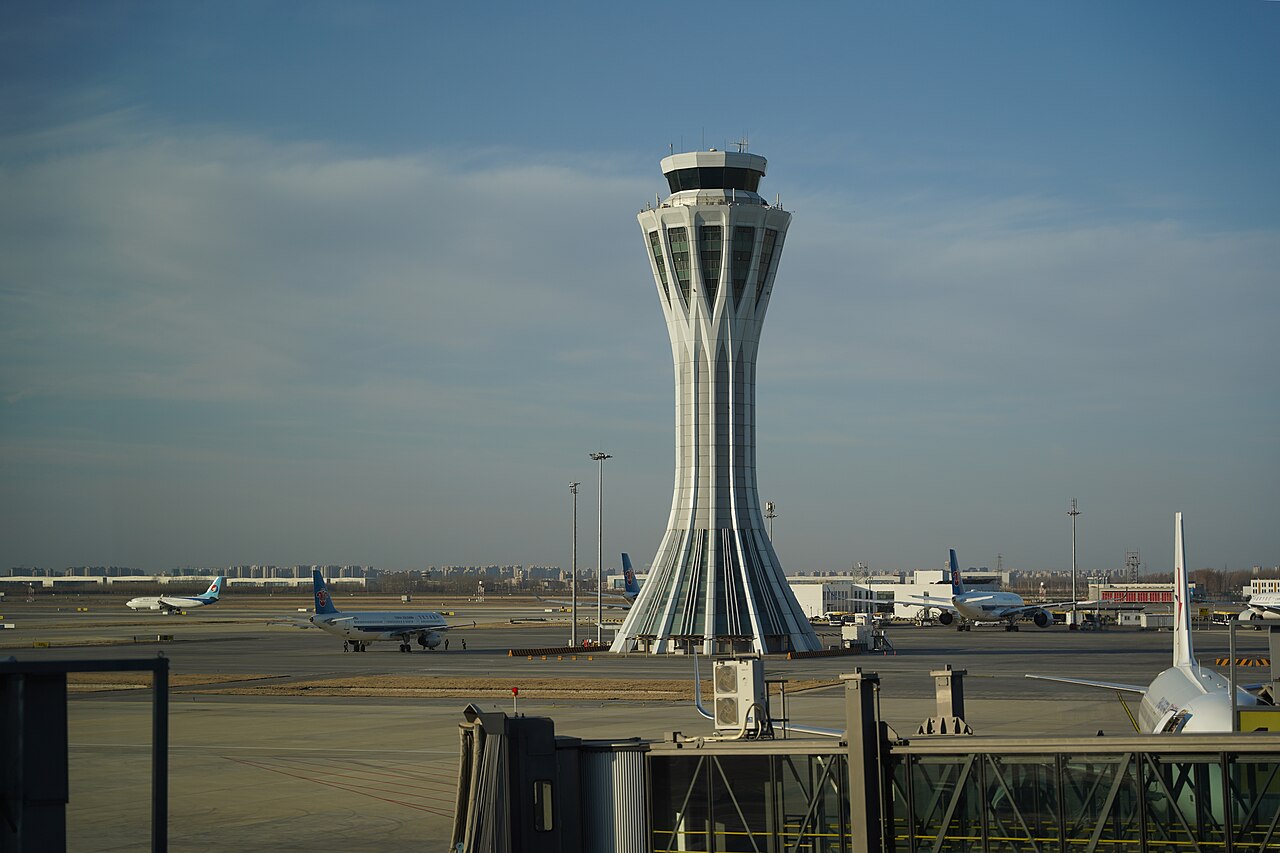
Controllers guide aircraft through airspace and on the ground, issuing instructions about routes, altitudes and speeds. They use radar and satellite data, flight plans and weather information to maintain safe distances and to sequence arrivals and departures. Different centres handle different phases: tower control at airports, approach control near them and en-route centres for cruising flight.
Anyone who has watched a departures board knows how one late flight can ripple outward. Air traffic control has to fit each aircraft into limited runways and airways, so a small delay in one place can force changes elsewhere. That is why better prediction is valuable, even when the improvement seems modest. Air traffic control depends on teamwork.
Why modernisation is needed
Air traffic keeps growing, and weather disruptions, staffing shortages and equipment failures can cause cascading delays. Older systems can be expensive to maintain and hard to connect with new tools. Upgrades can improve communications, make better use of airspace and provide more accurate information to controllers and pilots.
Where software can help
- Data sharing: Giving controllers, airlines and airports a common view of what is happening.
- Digital communications: Reducing reliance on voice for routine messages.
- Flight planning: More efficient routes that save fuel and time.
- Surface management: Coordinating taxiing and gate use to cut idle time.
- Weather integration: Better forecasts and clearer warnings.
What AI might add
AI can analyse large amounts of data to predict congestion, suggest routing options or flag unusual patterns. It might help to forecast demand at airports, optimise runway use or support decision-making by highlighting potential conflicts earlier. Research projects also explore tools that listen to radio communications and transcribe them to assist with safety monitoring.
Why change is cautious
Aviation is one of the safest forms of transport because of rigorous procedures and conservative engineering. New technology must be thoroughly tested, certified and integrated without disrupting operations. A failure in a decision-support tool could have serious consequences, so systems often run in parallel with existing ones for long periods. Controllers’ feedback and training are central.
Human controllers remain central
Automation in this field is generally designed to support, not replace, people. Controllers handle unusual situations, coordinate with pilots and make judgement calls. Tools should reduce workload and prevent errors without hiding information or creating over-reliance. Good design includes clear explanations and the ability to override suggestions.
A common misunderstanding is that air traffic control is mostly about talking on the radio. Radio is only the visible part. Behind it sits planning, coordination between sectors, weather monitoring and constant checking of safety margins. New software has to support all of that work without making the controller’s picture harder to read. Air traffic control changes slowly, by design.
Cybersecurity
Connected systems must be protected from attack. As digital links increase, so does the need for strong security, monitoring and resilience planning. Backup systems and manual procedures remain essential.
Costs and timelines
Large infrastructure projects often face budget and schedule challenges. Funding, procurement and coordination between agencies, airlines and equipment makers are difficult. Realistic planning, phased rollouts and independent oversight help to manage risk.
What passengers can expect
If modernisation succeeds, travellers may see fewer delays, more direct routes and better information. It will take years, and improvements may be subtle. In the meantime, check flight status, allow time for connections and be kind to staff during disruptions.
Environmental benefits
More efficient routing and reduced holding patterns can lower fuel burn and emissions. Combining modern air traffic management with cleaner aircraft and fuels offers the best path to sustainability.
When new tools arrive, trust is built slowly. Controllers need to see why a system suggests something, and they need a simple way to override it. Air traffic control rewards caution for good reason, so gradual trials, honest reporting of faults and thorough training matter more than any promise of dramatic efficiency. Air traffic control stays human-led.
Training and the human side
Controllers undergo years of training and work under high pressure. Any new tool has to fit naturally into their routine, which means involving them in design and testing. Introducing technology without listening to the people who use it every day is a recipe for frustration and risk, however sophisticated the software may be.

A look at a busy approach
Consider a regional airport at peak hour. Arrivals are lined up at set spacing, departures slot in between, and a runway can only handle one movement at a time. Air traffic control here is mostly about timing: a delay of a minute on one flight ripples through the next dozen. This is where better data helps most, because controllers can only sequence what they can see and predict.
Tools that already work, and the gaps
Some pieces are in place. Arrival management tools suggest an order and speed for incoming flights, and surface systems show where aircraft are on taxiways. The gaps are mostly in connection. A weather warning, a gate change and a runway closure may live in three separate systems, and a controller has to hold them together mentally. Modernising air traffic control often means joining these sources so the picture is shared, not rebuilt by phone call.
Passengers notice the results in small ways, such as more reliable arrival times in travel apps that use AI search. For the safety side of the same question, our piece on how AI safety teams raise concerns shows why aviation-style caution is spreading to other fields.
What to check in any new tool
When an agency or vendor describes a new system, three questions cut through the marketing. Does it run alongside the old one before replacing it? Can a controller see why it made a suggestion? What happens when it fails? The International Civil Aviation Organization, a United Nations agency whose site is icao.int, publishes the standards that national regulators build on. Plain answers matter more than any demo, and the most credible air traffic control upgrades are the ones that can give them without hedging.
Final thoughts
Air traffic control needs modern tools, but safety comes first. Software and AI have a promising role as assistants to human experts, provided they are tested thoroughly and introduced carefully. The result could be a smoother, greener and more reliable journey for everyone.
Image credit: Gordon Leggett via Wikimedia Commons (CC BY-SA 4.0).