Short clips created from text prompts have gone from curiosities to something people share widely. Now companies are experimenting with longer pieces: scenes, trailers and even small stories assembled from AI-generated video. It is a fascinating area, and it is worth separating the real progress from the hype. Generated video is improving fast, but real gaps remain.
In this article
How AI video generation works
Most systems learn from large collections of video and then generate new frames based on a text description or a starting image. Early versions produced short, wobbly loops. Newer ones keep objects consistent for longer, handle camera moves better and produce more realistic lighting. Some tools can animate a still image, extend an existing clip or change the style of footage.
Where generated video works well today
- Concept visualisation: Quickly testing a visual idea before committing money to a shoot.
- Stylised animation: Painterly or surreal looks where strict realism is not required.
- Background elements: Skies, crowds and landscapes in the background of a scene.
- Accessibility: People without cameras or crews can make visual stories.
Persistent limits
Consistency is still hard. A character’s face, clothing or the layout of a room may shift between shots. Complex actions, hands, and physical interactions can look odd. Dialogue and lip-sync add more difficulty, and the length of each generated clip is usually short. Directing precise performances, which is the heart of cinema, remains largely beyond current tools.
Watching generated video critically is a skill worth practising. Look at hands, background text, reflections and how objects behave from one second to the next. These details are where generated video often slips, because the system predicts plausible frames rather than following real physics. Spotting the slips does not make the clips less interesting, it simply helps you judge them fairly.
Storytelling is more than imagery
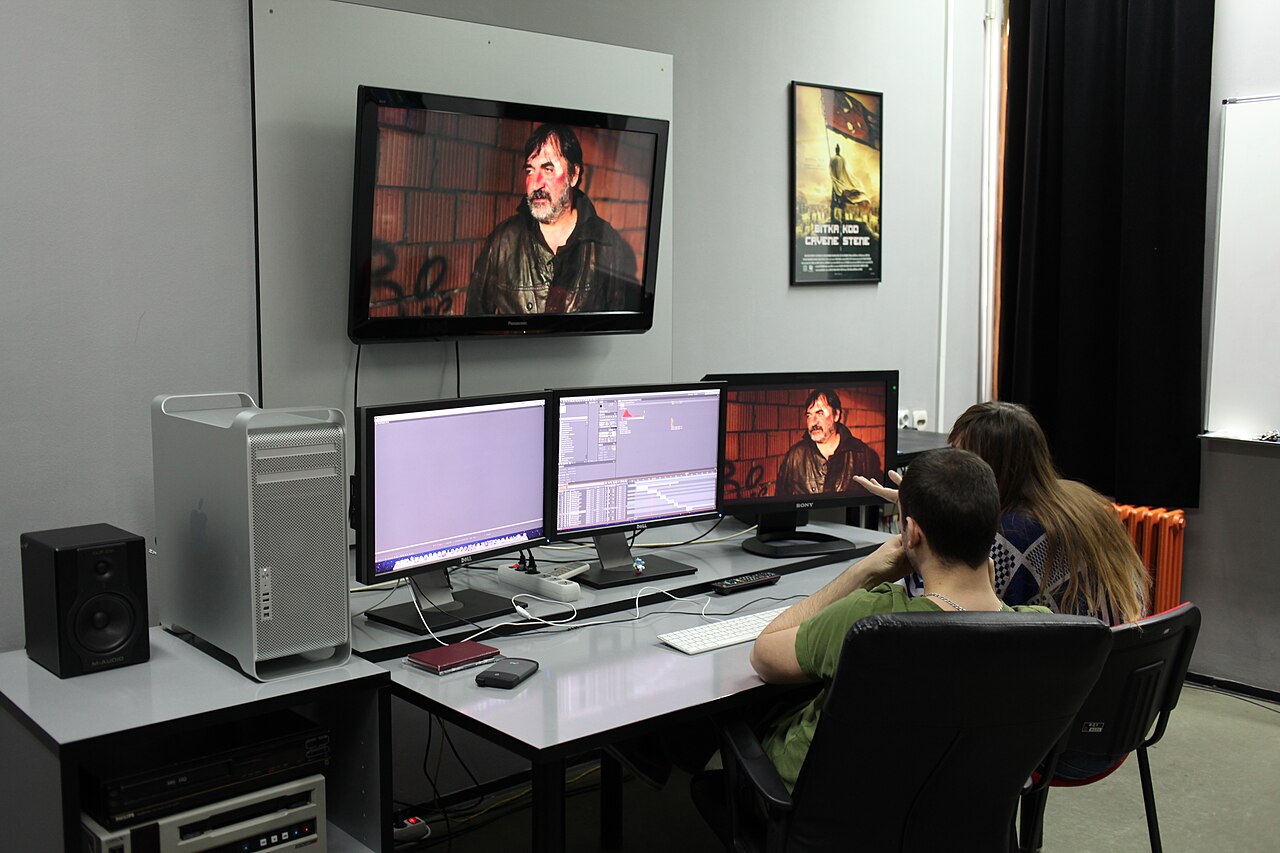
A good film depends on writing, performance, editing, sound and music. Even if visuals can be generated, someone must decide what story to tell, how to build tension and why the audience should care. Many creators treat AI as one tool among many, combining generated footage with real filming, human voice acting and traditional editing.
Questions about rights and credit
Creative communities are debating how training data should be sourced, whether artists should be compensated and how to credit human contributions. Studios and unions have negotiated rules for the use of AI in productions, such as consent for digital replicas of performers. If you create with these tools, read the terms for commercial use and be transparent about how your work was made.
Honesty with audiences
Viewers appreciate openness. If a project uses generated imagery, a brief note about the process helps them understand what they are watching. This also avoids confusion when realistic scenes might be mistaken for documentary footage.
What it means for small creators
Independent makers may find the greatest benefit, since budget limits often block ambitious ideas. A student could storyboard a fantasy short that would once have cost a fortune. The risk is that a flood of low-effort content makes quality harder to find, so craft and originality may matter even more.
What to watch for
Improvements in consistency, longer clips, better control over camera and performance, and clearer licensing are the signals to follow. Also watch for tools that integrate smoothly with traditional editing software, because workflow matters to professionals.
A common mistake is judging a whole tool by its best sample. Creators naturally share the strongest results, and the failed attempts rarely appear. If you want to understand what generated video can really do, try your own simple prompts and compare several attempts. You will quickly see which kinds of scenes work and which ones fall apart for generated video today.
A viewer’s checklist
When you watch an eye-catching AI-made video, ask who published it, whether the creators say how it was made, whether the scenes look consistent over time and whether the claims match what you see. Treat dramatic clips with caution until you can trace them to a source. Enjoying the creativity does not require believing everything you watch.
Where the money is going
Technology companies, studios and start-ups are all investing, in the hope that tools will cut production costs or open new formats. Whether audiences embrace them will depend less on the technology and more on whether the stories are worth watching. History suggests that good storytelling wins whichever tools are used.

Testing generated video yourself
The best way to judge the technology is to give a tool a demanding but fair task. Ask for a single shot of a person walking through a market, then request the same person sitting at a table. Watch whether the face, clothing and background hold together. Try a clip with a hand picking up a cup, since hands and objects remain a weak point. Run the same prompt twice and compare, because results can vary a lot from one attempt to the next.
These small experiments tell you more than any demonstration reel, which usually shows the best of many attempts. They also show how much editing you will need to do around the output.
Fitting it into a real workflow
Most working creators use generated video for a few seconds at a time, then cut it together with filmed material and a human voice. Our overview of AI tools for video creators covers which parts of a project suit automation, and how synthetic voices work and how to spot them explains the audio side.
If you plan to use generated video in your own project, keep a short checklist. Check the tool’s terms for commercial use, keep your prompts and settings, and label the finished piece honestly. Viewers tend to accept generated video when the maker is open about it, and they tend to react badly when it was presented as something else.
For wider background on the technology family, see Wikipedia’s article on generative AI. Whatever you make, tell viewers when generated video is part of the story and keep a record of the prompts and settings you used.
Keep an eye on licensing as well: the terms of each tool differ on commercial use, and some limit how outputs may be sold.
Final thoughts
AI video is advancing quickly, but a convincing clip is not a finished film. The technology will find its place alongside cameras, animation and editing rather than replacing the human spark that makes stories matter. For viewers, the sensible stance is curiosity with a dose of healthy scepticism.
Image credit: R. Henrik Nilsson via Wikimedia Commons (CC BY 4.0).