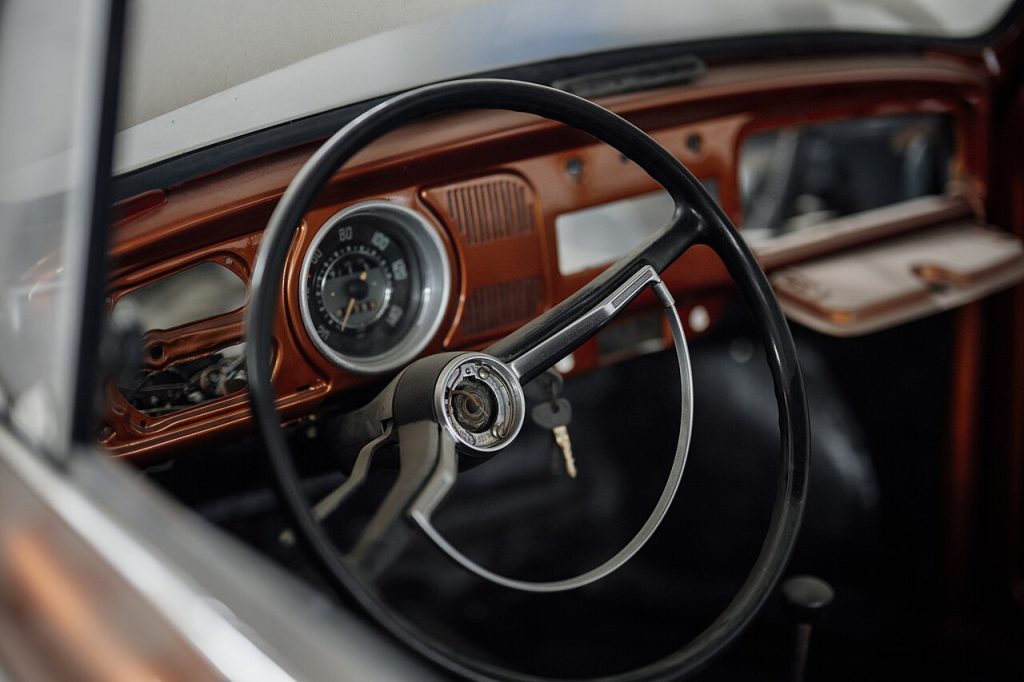
Cars today are designed around a driver. The seat faces forward, the steering wheel and pedals dominate the front and the dashboard is arranged so the driver can see the road and the controls. If vehicles can eventually handle driving themselves, much of this layout stops making sense, and designers are already thinking about what could replace it.
The driver-centered design
Everything in a conventional car supports the driver’s job: visibility, controls and safety systems. Passengers get what is left. Seats must face forward and sit in specific positions so that airbags and seat belts work as intended.
Regulations also shape design, from the location of mirrors to the size of windows.
What changes with full autonomy
If no human needs to drive, the vehicle can be rearranged. Seats might swivel to face each other, like a small lounge. The steering wheel and pedals could retract or disappear. Large screens could fill the space where instruments once were, offering entertainment, work tools or video calls.
Without a long hood for a combustion engine, electric vehicles already have more freedom with space. Combined with autonomy, a car could become a room on wheels.
Different shapes for different jobs
A ride-hailing robotaxi might be built for easy entry and exit, with wide doors and simple seating, and for easy cleaning. A delivery vehicle might have no seats at all, just compartments. A family vehicle could have flexible interiors that convert from a living room to a bed for long trips.
The exterior may change too. Sensors need clear views, so designers integrate cameras and radar into the body in ways that preserve aerodynamics and appearance.
What stands in the way
Full autonomy that works everywhere is still not here. Many vehicles offer driver assistance that requires attention, so the human must be able to take over. Until that changes, controls must remain.
Safety standards also need to be rewritten for new layouts. Crash testing assumptions rely on forward-facing seats. Regulators will need evidence before approving cars with unusual seating or no manual controls.
There are also human factors. Some people may feel uneasy without a steering wheel. Trust needs to be earned through years of reliable operation.
The business model question
If cars drive themselves, ownership may shift for some people toward services, where you summon a vehicle when needed. That would change how vehicles are used and designed: durable, easy to maintain and optimized for high utilization rather than for personal style.
Others will still want to own vehicles, and the driving experience will remain an attraction for enthusiasts.
Comfort and well-being
Designers consider motion sickness, since reading or watching screens in a moving car can cause nausea. Lighting, sound and seat design aim to make long rides comfortable. Privacy features may be important in shared vehicles.
Accessibility benefits
Autonomous vehicles could expand mobility for people who cannot drive, including some older adults and people with disabilities. Interior design that accommodates wheelchairs and offers clear communication will be important.
What to watch
Look for pilot programs in limited areas, regulatory changes that allow vehicles without manual controls and concept cars that test new layouts. Treat dramatic predictions with caution.
Conclusion
Autonomy could free car designers from decades of conventions, but progress will be gradual and shaped by safety, regulation and public trust. For now, expect incremental changes, with the steering wheel remaining a familiar sight for a good while.