

Open any social app and you will notice a familiar pattern. A new feature promises to make spontaneous sharing feel more relaxed: a quick snap, a short-lived post, a prompt that asks you to share right now. These experiments are not random. They respond to a real feeling many users have, that polished feeds have become tiring, and that spontaneous sharing might bring back some of the fun.
In this article
The problem with perfection
Early social networks rewarded curated images: the best holiday picture, the most flattering angle. Over time, that created pressure. People spent more energy editing than enjoying. Followers noticed too, and began to crave something more genuine. Apps that offer a way to post without the stress of perfection tap into that appetite.
Common formats
- Short-lived posts: Content disappears after a day or a viewing.
- Time-prompted photos: A notification asks everyone to post within a short window.
- Close-friends sharing: Smaller audiences encourage candid moments.
- Dual-camera captures: Front and back cameras at once to show both the view and the person.
- Stacked photo albums: Quick sets of images rather than single polished shots.
Why companies like these features
Casual posts are easy to create, so people post more often. More posts mean more reasons to open the app. Habit-forming features can lift daily usage, and platforms compete fiercely for that attention. There is also a defensive motive: when one app launches a popular format, rivals tend to answer with their own version.

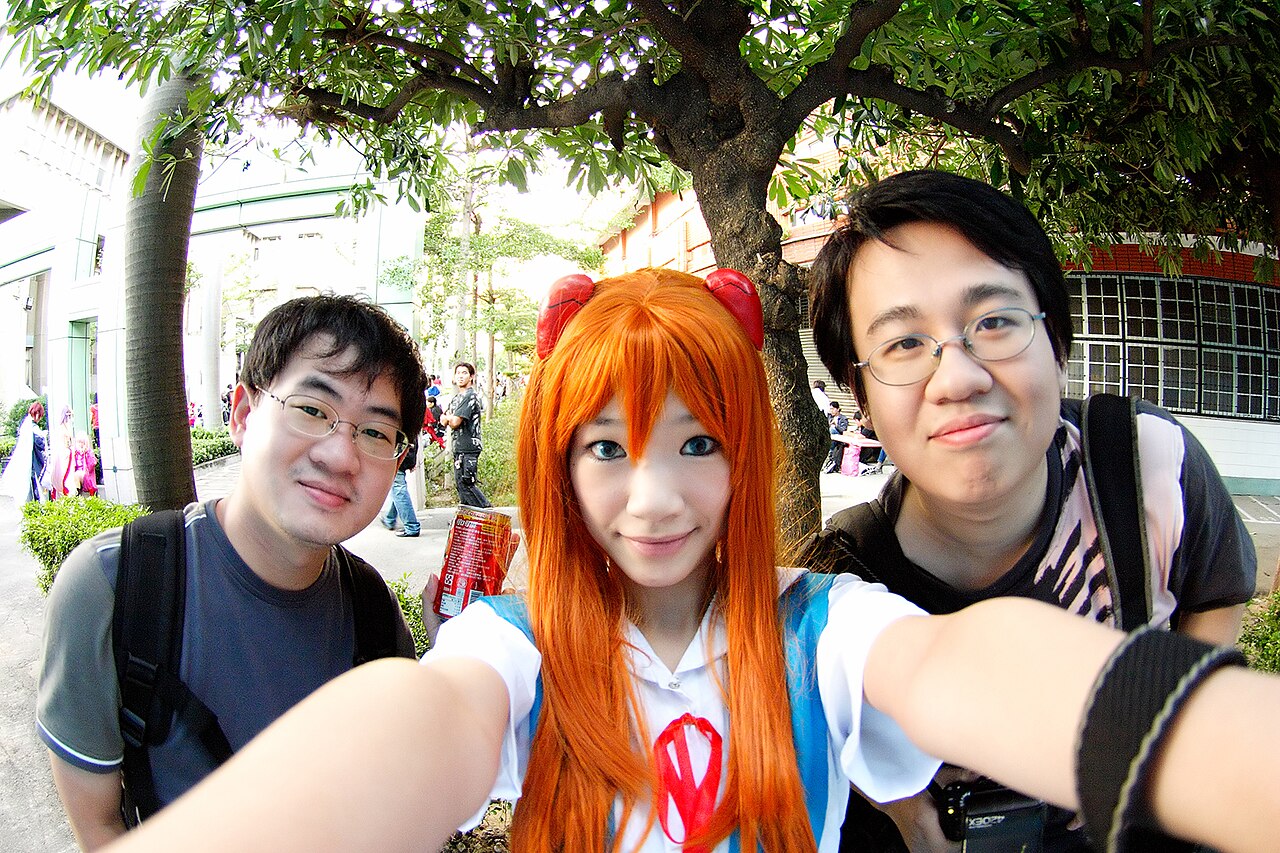
The appeal of spontaneous sharing is that it lowers the pressure to perform. Nobody expects a polished photo when the prompt gives you only a minute. That relief is real for many people who got tired of editing every picture. It also shows why apps keep building features around quick, unfiltered moments.
What users gain from spontaneous sharing
Done well, spontaneous sharing can bring people closer. A friend’s messy kitchen, a view from a bus window, or a funny moment during a walk can feel more personal than a highlight reel. For many, a small circle of trusted people is a relief compared with a large public audience.
What to watch out for
Spontaneous does not mean consequence-free. Screenshots can be taken, and “disappearing” content may live on elsewhere. Location data can show where you are, background details can reveal your address, and tagged friends may not want to appear. Quick prompts can also pressure you to share when you would rather not.
Practical privacy tips
- Check who can see each post before you press send.
- Turn off precise location sharing unless you need it.
- Ask friends before posting pictures of them.
- Review your close-friends list regularly.
- Use notification settings that suit you, not the app.
Mental wellbeing
If a feature makes you anxious, you are allowed to ignore it. Social comparison can creep in even when posts are casual. Setting time limits, muting accounts that make you feel worse, and taking breaks are healthy habits.
Brands and creators
For businesses, informal formats can show behind-the-scenes moments and build trust. Keep a consistent voice, avoid forcing trends that do not suit you, and remember that authenticity cannot be faked. People can tell when a brand is trying too hard.
A note for parents
Teenagers are heavy users of casual sharing tools, so conversations at home matter. Talk about how quickly a photo can travel, why a friend may not want to be tagged, and what to do if something embarrassing is posted. Encourage them to use privacy settings and to come to you if someone is pressuring them to share. Curiosity works better than rules alone.
If you want to try spontaneous sharing without stress, set your own limits. Choose who sees the posts, turn off notifications you find pushy and decide in advance what you will not share, such as your home address or other people’s faces without asking. Those simple rules keep the format light and fun.
Where the trend may go
Expect more experiments with prompts, small groups and short-lived formats. The ones that last will probably be those that give people real control over audience and permanence. Features that feel like homework or surveillance tend to fade, while tools that make it easier to share a moment with the right people tend to stay.

How a prompt changes what you post
Time-window prompts work because they remove the editing step. When a notification says everyone has two minutes, there is no room to pick the best of twelve takes. The result is a feed of half-lit rooms, lunch plates and crooked selfies, which is exactly the point. Spontaneous sharing trades quality for honesty, and many people find that trade refreshing.
The same mechanism has a cost. A prompt creates a small social deadline, and missing it can feel like letting people down. If you notice that you are posting only to keep up, turn the alerts off and open the app when you actually have something to show.
A sensible way to try it
Start with a small circle. Spontaneous sharing feels natural with five close friends and awkward with five hundred followers, so the settings in close friends lists and other privacy controls are worth a look before your first post. Think about the frame, too: a window, a street sign or a letter on the table can give away more than the photo itself.
Remember that nothing shared with another person is fully under your control. Friends can screenshot, record the screen or download clips, which is why the etiquette in this guide to saving and sharing social videos matters for photos as well. Most platforms are, after all, a form of social media built on copying and resharing. Enjoy spontaneous sharing, but post only what you would be comfortable seeing again next month.
Parents can talk about spontaneous sharing without sounding strict. Ask what the feature does, who can see the posts and what happens if someone saves a copy. Children often know the settings better than adults, so listen first. Spontaneous sharing is easier to handle when the goal is pausing and thinking, not banning an app.
Final thoughts
The push toward spontaneous sharing reflects a simple truth: people want connection more than perfection. Enjoy the relaxed formats, but keep control of what you share and with whom. A casual photo should still be a conscious choice.
Image credit: Roobineriksson via Wikimedia Commons (CC BY-SA 4.0).



