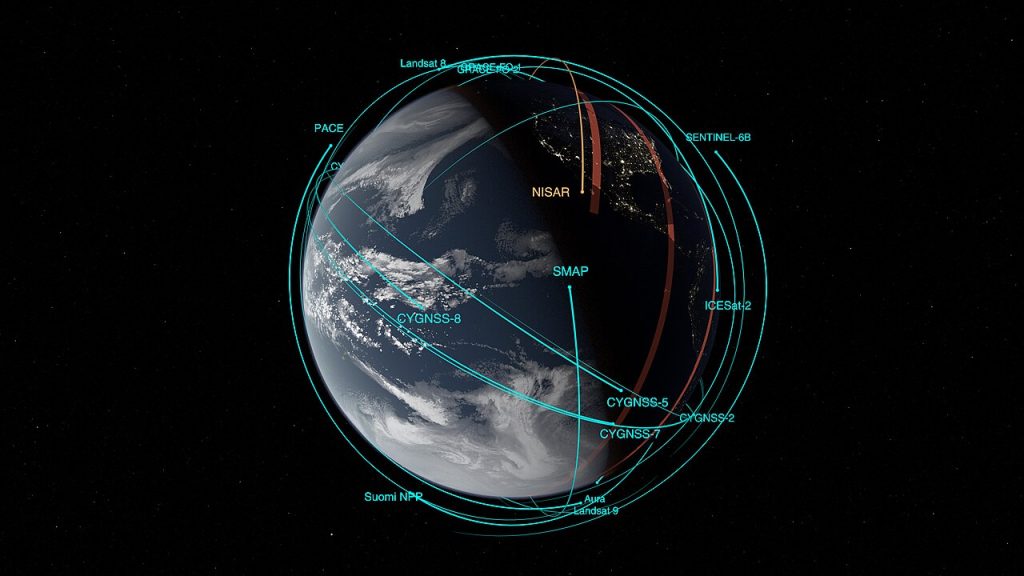
Every few years, someone suggests moving a piece of everyday infrastructure into space. Lately the idea is space data centers: racks of computers circling the Earth, powered by sunlight and talking to the ground by radio or laser. It sounds like science fiction, yet engineers are taking it seriously enough to test small versions.
In this article
Is it sensible, or just a dramatic headline? Here is a plain look at space data centers: the idea, its appeal and its very real obstacles.
Why anyone would want space data centers
Data centers on the ground use enormous amounts of electricity and water, and finding sites with enough power is getting harder. Local communities sometimes object to new builds. Those pressures are what make space data centers look attractive on paper.
In orbit, a satellite can collect sunlight for much of each day without clouds or night in the way, depending on its path. There is no land to buy and no neighbours to complain. Heat, the great enemy of computers, can in theory be radiated away into the cold of space.
Another argument is that a lot of space data is created in space. Satellites photograph the Earth and record signals, then send huge files down to the ground. Processing some of that on board would mean sending only the useful results, which saves precious bandwidth.
For a general idea of what these facilities do on Earth, the Wikipedia article on data centers is a useful reference.
The obstacles for space data centers
The difficulties facing space data centers are large, and most of them come from physics rather than money.
Cooling is the first surprise. It sounds as if space should be good for cooling, but a vacuum is actually a very poor conductor. On Earth, fans and water carry heat away. In orbit, the only way to shed heat is to radiate it, which needs big surfaces. A powerful computer cluster would need large radiators, and those add weight.
Weight leads straight to cost. Any plan also has to survive launch vibration, since every part must withstand being shaken hard on the way up. Launching anything is expensive, and a data hall full of servers, power equipment and radiators is heavy. Even if launch prices keep falling, the bill for putting thousands of machines in orbit is far higher than building a shed in a field.
Then there is radiation. Outside the protection of the atmosphere, charged particles can flip bits in memory or damage chips over time. Space-rated hardware is built to resist this, but it is usually slower and pricier than ordinary equipment. Ordinary server chips would need shielding or clever error correction.
Maintenance and speed in space data centers
A broken server on Earth is replaced by a technician with a trolley. In space data centers, nobody is going to visit. Hardware must either be built to run for years without a fix or be designed so that failed units are simply written off.
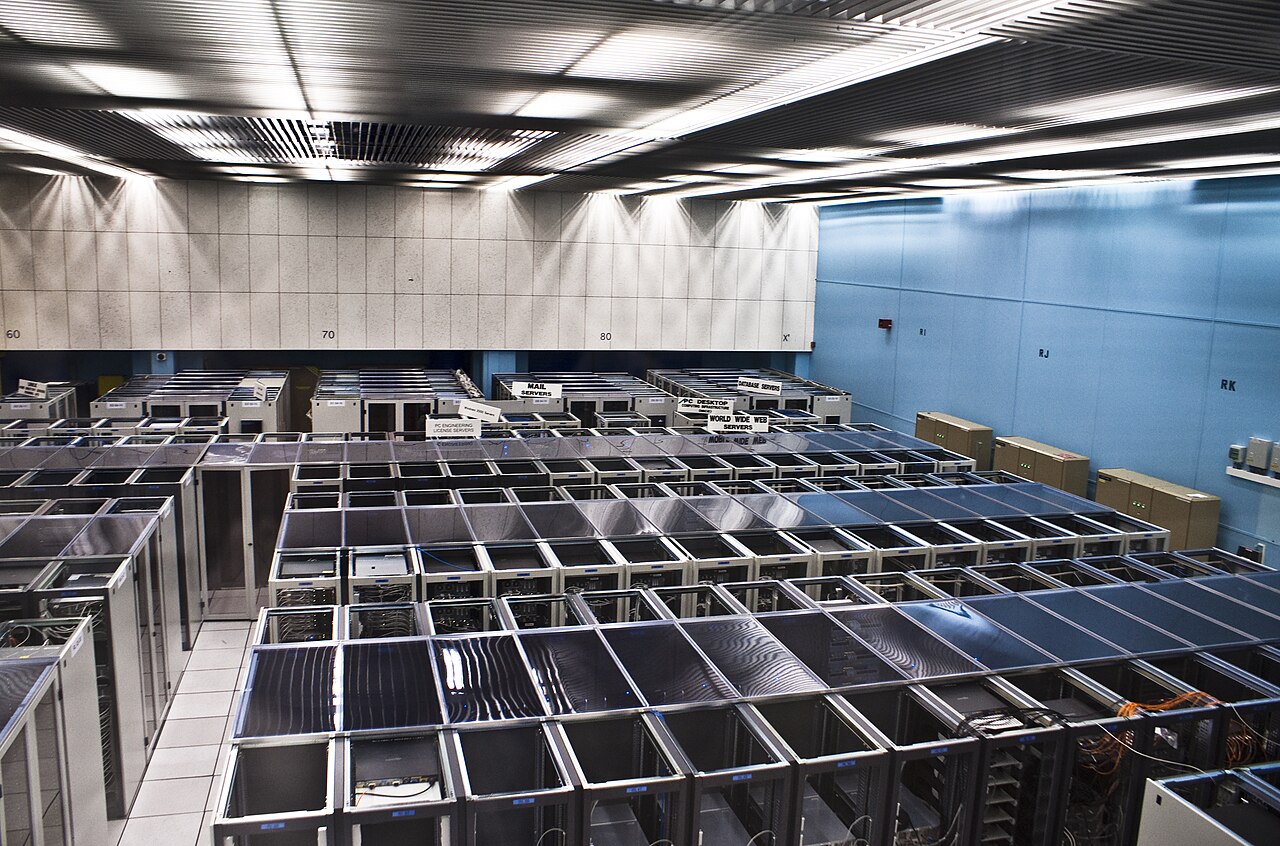
Connection speed is another concern. Signals from low orbit reach the ground quickly, but they must pass through a limited number of ground stations, and satellites move across the sky, so links have to be handed over constantly. For work that needs split-second responses, such as online games or trading, a facility in orbit would be a poor fit.
Space also gets crowded. Every new satellite adds to the clutter that operators must dodge, and a failed unit can become debris for years. A very large structure would be a bigger target. Regulators and space agencies will likely want strong answers on how such facilities would be removed at the end of their life.
What might actually make sense
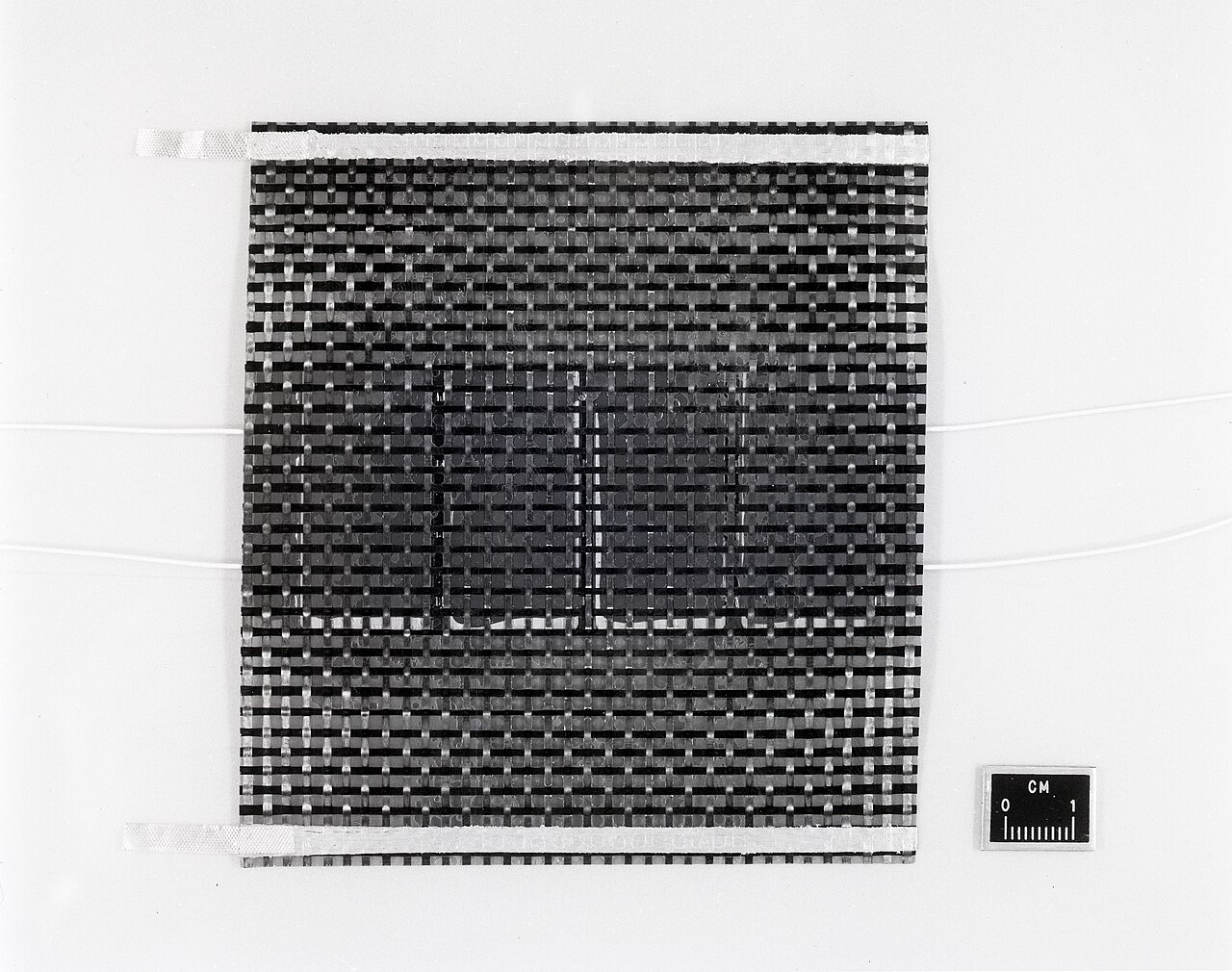
The most realistic path for space data centers is small and specific. Rather than replacing the cloud, orbital computing is likely to start with modest jobs: processing images on a satellite, filtering data before it is sent, or running experiments to see how hardware survives. Those tests produce real information about heat, radiation and cost without a giant bet.
Unknown authorUnknown author or not provided via Wikimedia Commons (Public domain)
Large-scale space data centers would only become practical if several things changed together. Launches would need to get much cheaper, hardware would need to become more tolerant of radiation, and large lightweight radiators and solar arrays would need to be built and assembled in orbit. Any one of those is plausible, but all together is a stretch.
Meanwhile, the pressure on Earth-based facilities is real, and there are nearer solutions. Operators can build in cooler climates, use more efficient chips and sign deals for clean power. Our explainer on why cloud demand keeps growing shows why the demand for capacity is not going away, and the guide to running AI on your own GPU shows one way people are keeping some computing close to home.
How to read headlines about space data centers
When you see a bold claim about space data centers, ask four plain questions. How much heat does it produce, and how will it be cooled? How much does it weigh? Who repairs it? And what does it cost compared with a building on the ground?
If the story cannot answer those, it is probably marketing. If it can, the project may be worth following. Space data centers are a fascinating thought experiment with a few useful niches, but for now they remain an experiment rather than a replacement for the buildings that already hold much of the internet.