Solar and wind get most of the clean-energy headlines, but there’s another renewable source quietly sitting under our feet. The Earth’s interior is hot, and in the right places that heat can be tapped to generate electricity or warm buildings around the clock. Geothermal energy is old technology in some regions and brand-new in others, and interest has grown because it solves a problem that other renewables struggle with: it keeps running when the sun sets and the wind stops.
How geothermal power works
The basic recipe has three parts: heat, water and rock that lets fluid move.
- Find a hot reservoir. In volcanic or tectonically active regions, hot rock lies relatively close to the surface.
- Bring the heat up. Wells are drilled to reach hot water or steam, which flows or is pumped to the surface.
- Make electricity. The steam spins a turbine connected to a generator. In lower-temperature systems, the hot water heats a secondary fluid that boils at a lower temperature, a design called a binary cycle.
- Return the fluid. Used water is injected back underground to be reheated, keeping the reservoir going.
Direct-use geothermal energy applications skip electricity entirely. Hot water can heat homes, greenhouses, fish farms and industrial processes. Some cities have district heating systems powered by geothermal wells.
Different kinds of geothermal energy
The phrase covers more than one technology, and the differences matter. Dry steam and flash plants use very hot reservoirs, where steam or pressurized hot water is available directly. Binary plants work with cooler water by passing it through a heat exchanger. Each design suits a different temperature range, which is why plants in one region look quite different from those in another.
There is also a small-scale version that many people never think of as geothermal energy at all. A few meters below the surface, the ground stays at a fairly steady temperature through the year. Ground-source heat pumps use that stable temperature to heat buildings in winter and cool them in summer, and they can be installed in places with no volcanoes anywhere nearby. For a general overview of the whole field, the Wikipedia article on geothermal energy is a good starting point.
So when someone says geothermal energy is limited to a few lucky countries, that is only true for the high-temperature power plants. Heating and cooling uses are far more widely available.
Why people like geothermal energy
- Steady output. Geothermal plants can run day and night, making them a ‘baseload’ source.
- Small land footprint. A plant occupies less space than comparable solar or wind farms.
- Low operating emissions. Greenhouse gas emissions are small compared with fossil fuel plants, though some reservoirs release gases that need management.
- Local resource. No fuel has to be shipped in, insulating the plant from commodity price swings.
Why geothermal energy hasn’t spread faster
The honest answer is cost and risk, especially upfront. Drilling deep wells is expensive, and there’s no guarantee a given well will find a good resource. The money is spent before you know whether the reservoir is as hot or productive as hoped. Developers call this exploration risk, and it’s a major barrier to financing.
Other hurdles:
- Good conventional sites are geographically limited to places with accessible heat.
- Permitting and land access can take years.
- Some projects have caused small earthquakes, particularly when fluid injection changes underground pressure. Careful monitoring and design are needed.
- Transmission lines may need building if resources are far from demand.
What’s new: reaching heat almost anywhere
A lot of current excitement revolves around enhanced or engineered geothermal systems. The idea is to create the underground conditions that nature didn’t provide. Engineers drill into hot, dry rock, create pathways for water to flow through it, then circulate water to collect heat. Borrowing techniques from oil and gas, such as horizontal drilling and fracturing, helps reduce cost and expand the range of usable locations.
If this works at scale, geothermal could move from a handful of lucky regions to many more. That is a big if. Drilling hard, hot rock wears equipment quickly, and performance over decades remains to be proven in many places.
The role of project developers
Between a promising map and a running plant sits a long list of tasks: surveys, test wells, permits, power purchase agreements, financing and construction. Specialized developers focus on managing this process, taking on early risk and bringing in partners as projects mature. Their work looks unglamorous but it determines whether geothermal remains a niche or becomes a major part of the grid.
Investors with long time horizons, including climate-focused funds, tend to like the sector because contracts can last decades and output is predictable. The patience required doesn’t suit every investor, though.
How geothermal energy compares
Geothermal isn’t a replacement for solar and wind. It’s a complement. A grid with lots of variable renewables benefits from steady, controllable sources. Others in that role include hydropower, nuclear power and its fuel supply chain, and large-scale storage. Each has trade-offs, and the cheapest mix varies by region.
Takeaways
Geothermal energy is real, proven and underused. The next decade of geothermal energy will test whether new drilling methods can cut cost and widen access. Watch for falling drilling expenses, successful demonstration plants that run reliably for years, and policy that helps reduce exploration risk. If those line up, the heat under our feet may finally earn a bigger place in the energy conversation.
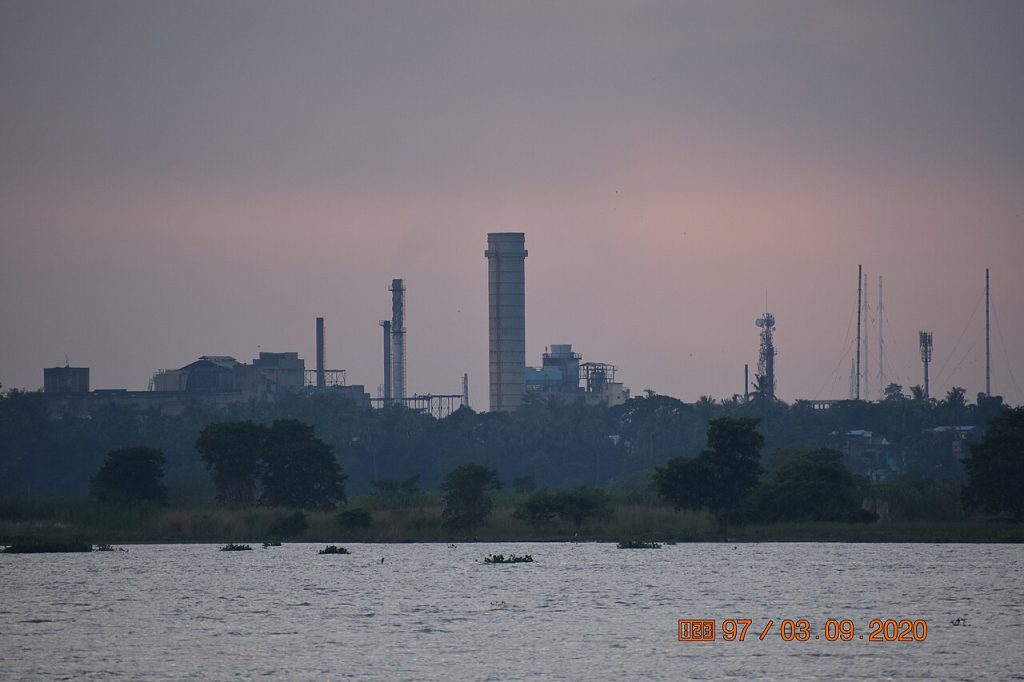
Featured image: Bandel Thermal Power Station at Tribeni, Hooghly 01.jpg by Pinakpani, CC BY-SA 4.0, via Wikimedia Commons.