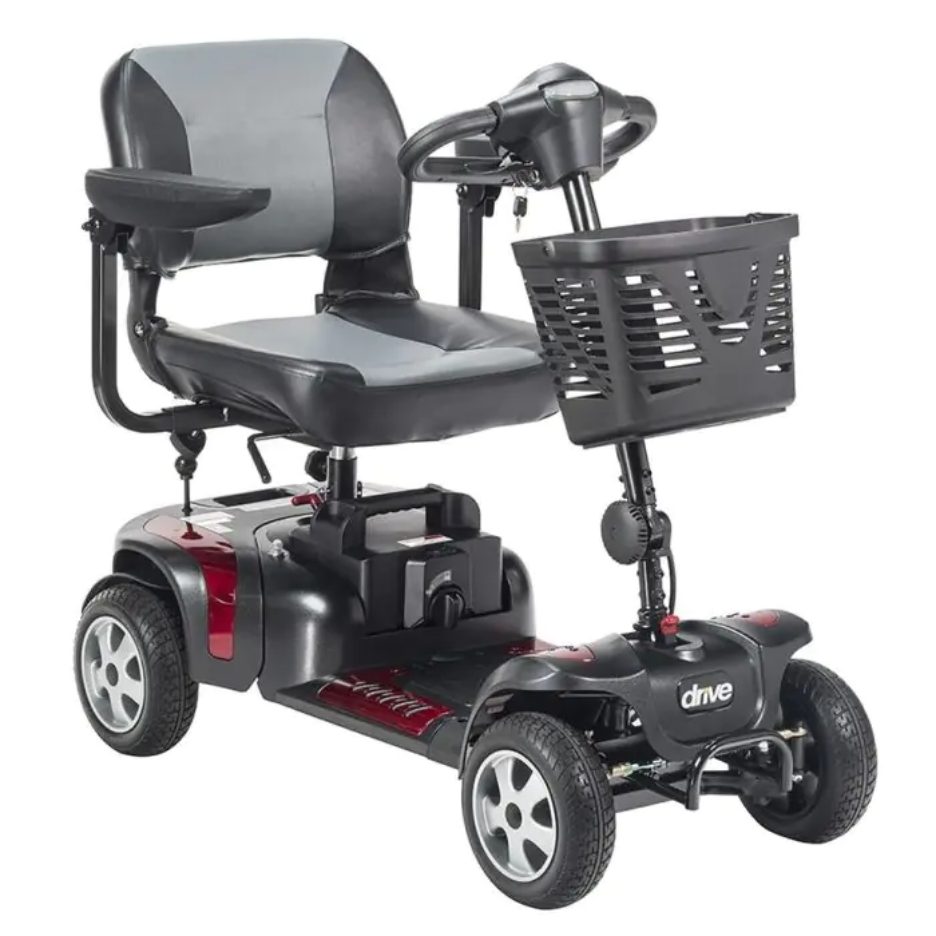
Travelling around should not feel like a daily struggle. However, choosing a mobility scooter can be challenging when you have many options to consider. You may need one for quick errands, trips with family, or longer outdoor journeys. You might also worry about storage space, battery life, comfort, and transportation.
The right choice depends on how you plan to use your scooter and which features matter most to you. A compact model may suit your daily routine, while a larger scooter may offer more support for outdoor travel. Understanding these differences can help you make a confident decision.
That said, let's explore five key factors to consider when choosing a mobility scooter that fits your lifestyle.
1. Match the Scooter to Your Daily Routine
Before you compare models, think about how you will use a mobility scooter. Will you use it for short trips, shopping, or long rides outdoors? Also, consider how often you will ride it. These details can help you choose the right model and avoid paying for features you do not need.
A small travel scooter can be a good choice if you visit local shops or travel around your neighborhood. Such models can be stored and handled easily. However, check the battery range to make sure it can cover your usual trips.
A mid-sized scooter can be more comfortable and have a higher range, in case you spend more time outdoors. For longer trips, compare models with batteries that suit your travel needs. Also, check whether the scooter can handle the paths and surfaces you use most often.
Consider indoor use, as well. Larger scooters may be difficult to handle in small rooms, narrow hallways, and tight corners. Choose a model that fits the spaces you visit each day. This will help you move around with greater ease.
2. Choose the Right Size and Wheel Design
A scooter's size and wheel design affect how easily you can move around. Three-wheel and four-wheel models have different benefits. The decision you make depends on where you plan to ride and the amount of space you need.
Three-wheel scooters are often easier to turn in narrow areas. They can be useful in shopping malls and in houses that have enough space to move around. However, stability differs by model. Check that the scooter suits your needs and the places where you plan to use it.
Four-wheel scooters may be more stable on suitable outdoor surfaces. They may work well for trips along sidewalks and park paths. However, some models need more space to turn. This can make it harder to use in small rooms or narrow areas.
Next, check the scooter's size and weight. Measure storage space and doorways on your usual routes. If you plan to carry the scooter in a car, check its folded size and the weight of its heaviest part. These details can help you decide if the scooter fits your daily needs.
3. Check Battery Range and Performance
Battery range informs you of the distance that a scooter will cover before it needs a recharge. If you only take short trips, you may not need a long range. However, more planning is required for longer outings. You do not want the battery to run low while you are away from home.
First, estimate the approximate distance that you cover on an average day. Then, compare the given range of each model. Remember that the real range may vary based on the rider's weight, road conditions, temperature, and battery life. An extended range model can provide you with the freedom to take longer trips.
Next, imagine the surfaces you are going to travel on. Smooth sidewalks and indoor floors are easier to cross than rough or uneven paths. If you often ride outdoors, check the ground clearance and wheel design. Make sure the scooter suits the terrain you plan to use it on.
Finally, check how long the battery takes to charge. Make sure you have a safe, convenient place to plug it in. You should also ask about battery replacement costs. These details can help you plan and keep your scooter ready for daily use.
4. Consider Storage, Transport, and Long-Term Costs
A scooter should fit your life both on and off the road. Storage, transport, upkeep, and running costs can all affect how useful it is. Checking these details before you buy can help you avoid extra costs later.
If you travel often, a folding or portable scooter may be a good option. Some models break down into smaller parts, making it easier to load into a car. However, check the weight of each part before you buy. If you cannot lift the scooter safely, you may need a vehicle lift, carrier, or ramp.
Next, think about where you will store and charge the scooter. Measure the space you have at home. If you plan to keep it in a garage or outdoors, follow the maker's advice on storage and weather protection. A cover may help protect the scooter if it is suitable for that model.
Finally, look beyond the purchase price. Add up the likely costs of lithium batteries, chargers, repairs, and upkeep. Check the warranty to learn what it covers. You may also want a basket for shopping or mirrors for better awareness. Choose useful accessories and make sure they fit your scooter.
5. Focus on Comfort, Support, and Weight Capacity
Comfort is important, particularly when you plan to spend hours on your scooter. Look at the seat, armrests, legroom, and steering controls. A good fit can help reduce strain and make each trip more pleasant.
Check if the seat is supportive and at a suitable height. Some scooters have adjustable seats and armrests, while others have fixed parts. Whenever possible, test a model before purchasing. Make sure you are comfortable sitting, accessing the controls, and getting in and out easily.
Weight capacity is another key factor. Each scooter has a set weight limit. Find a model that can support your weight but not exceed this limit. If you plan to carry shopping bags, check the maker's advice on extra loads. Too much weight may affect how the scooter performs.
Also, make sure the controls are easy to use. The tiller, which holds the steering controls, should be within easy reach. In case of difficulty with hand strength, movement, or balance, consult a healthcare professional or mobility specialist. They can help you find a model that better suits your needs.
Conclusion
Choosing the right mobility scooter starts with your daily routine. Think about where you will ride, how far you need to travel, and how much comfort and support you need. Also, check the scooter's size, battery range, storage needs, and long-term costs.
Also, compare a few models before making your choice. If possible, test the scooter and ask a qualified expert for advice if you have safety concerns. The right model can help you stay active, travel with greater ease, and enjoy more independence.