
Cross border trade within Africa has long been smaller than the continent’s size and population would suggest. Part of the reason is not mysterious: moving goods and money across borders is slow, expensive and full of paperwork. A group of startups, Waza among those describing their mission in these terms, is trying to build digital tools for businesses that trade across the region and beyond. Let us look at the problems and what a good solution looks like.
Why cross border trade is hard
Imagine a small manufacturer in one country selling to a retailer in another. Several things can go wrong.
First, payments. Currencies differ, banks may route transfers through other countries, and fees pile up. Settlement can take days. Merchants sometimes ask for payment in advance because they cannot be sure of getting paid later, which strains cash flow for buyers.
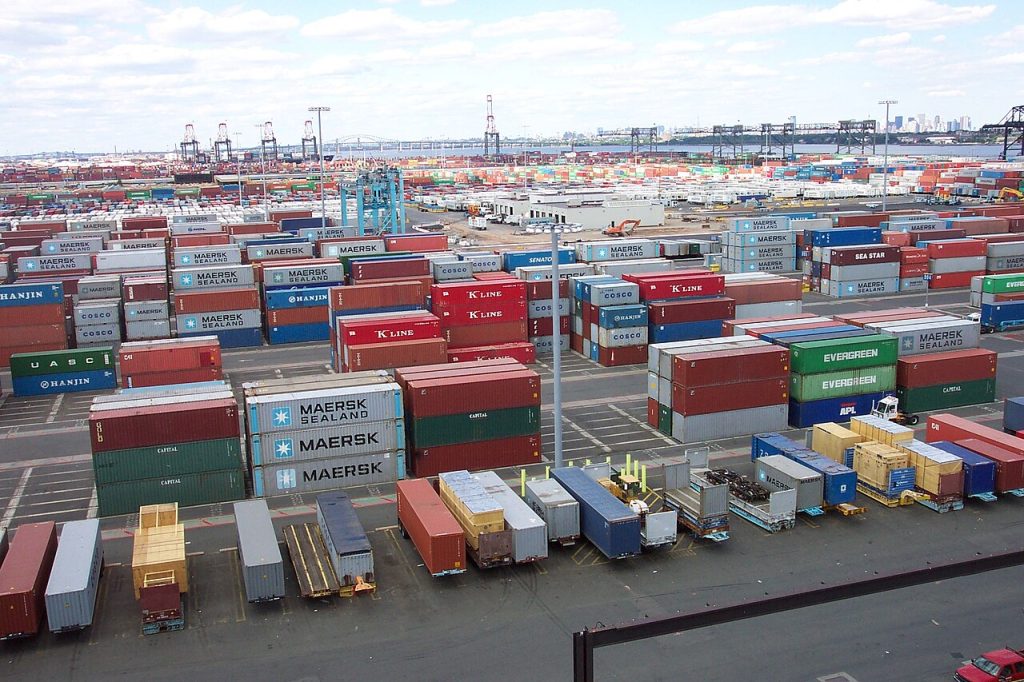
Second, logistics. Goods pass through ports, border posts and warehouses, each adding delays. Tracking is often patchy.
Third, trust. A buyer and seller who have never met must rely on references, informal networks or trust in an intermediary.
Fourth, paperwork. Customs documents, certificates and tariffs vary between countries, and mistakes can hold up shipments.
What a trade platform tries to do
Software cannot fix a broken road, but it can reduce friction in cross border trade in many other places. A well-designed platform for cross border trade usually aims to combine several services: a marketplace or directory to find verified buyers and suppliers; payment tools that handle multiple currencies and reduce transfer delays; escrow or similar protection, so money is released when goods arrive; documentation support for customs and compliance; logistics coordination and shipment tracking; and financing options based on transaction history.
The glue is data. Each completed order builds a record of reliability. Over time, a business with a strong record can access working capital that it might not get from a traditional lender.
The financing gap
Small and mid-sized businesses often struggle to get credit. Banks may demand collateral or a long history, and many firms operate informally. Yet these businesses need cash to buy stock before they sell it.
Platforms for cross border trade see something banks cannot: a stream of real orders and payments. That information can support lending decisions, such as short-term financing to buy inventory, repaid when the buyer pays. Done well, this can fuel growth. Done badly, it can saddle vulnerable firms with debt, so terms and transparency matter.
Policy tailwinds
Cross border trade finance is a good example of where data helps. A lender that can see a history of delivered orders may be willing to advance cash against an invoice, which is the same logic explained in our guide to invoice financing for small businesses.
Governments across the region have discussed reducing tariffs and harmonising rules to encourage cross border trade within the continent. A large free trade agreement, the African Continental Free Trade Area, has been a major topic. The details and implementation vary, and progress is gradual, but the direction creates space for tools that help firms take advantage of looser rules.
Still, technology works within policy. If customs systems are slow or rules unclear, no app can eliminate those delays.
Challenges for the builders
Building a platform for cross border trade is tough: fragmented regulation across many countries; varied banking infrastructure and payment systems; currency volatility that can wipe out thin margins; limited digital records for many small businesses; and the cost of acquiring customers who currently rely on personal relationships.
Founders in cross border trade often need partnerships with banks, logistics firms and local agents. Local knowledge is important, because trade customs differ from one market to the next.
What businesses should look for
If you run a company considering such a platform, ask: Which countries and currencies does it support? How are fees structured, including foreign exchange margins? How is my money protected during a transaction? What happens if there is a dispute? How are my data and my customers’ data handled? Does it have proper licences where it operates?
Compare total costs, not just advertised fees. Exchange rate margins can hide a lot.
The human side
Reliable stock is the other half of the story. When a shop in one country depends on a supplier in another, a late container can empty the shelves. That is why tools for planning and tracking inventory, like those covered in how digital supply chains help small shops, matter as much as the payment button.
It also helps to start small. A business testing a new route can send one modest order, use protected payment, and learn how long customs really takes before committing a large shipment.
Technology succeeds when it fits how people already work. In many markets, cross border trade relies on relationships, phone calls and messaging apps. Platforms that respect that, by integrating with familiar channels and offering local-language support, tend to gain trust faster than those that demand a complete change of habits.
Why it matters
When cross border trade becomes easier, businesses can reach bigger markets, source inputs more cheaply and create jobs. Small firms in particular benefit when they can compete beyond their home town. Improving payments, trust and logistics lifts the whole chain.
The takeaway
Cross border trade in Africa is held back by practical frictions: payments, paperwork, trust and logistics. Digital platforms cannot solve everything, but by bundling verification, payments, tracking and financing, they can shave off real cost and delay. Success depends on solid partnerships, honest pricing and a deep understanding of the markets they serve.



