Think of the games sitting on your phone that you opened once and never touched again. The friction of finding an app, waiting for the install, making an account and approving permissions is enough to kill casual interest. A newer format removes all of it. You tap a link, and a few seconds later you can play instant games inside a chat, a browser or a social feed, with nothing added to your home screen.
This is how the format works, why developers like it, and where it falls short.
What makes a game instant
An instant game is a lightweight game delivered over the web rather than installed from a store. A few ingredients make that possible.
- Web standards. Modern browsers handle fast graphics through technologies such as WebGL and WebAssembly, which lets code written in languages like C++ run at close to native speed.
- Small downloads. Games are built to load in a few megabytes, with extra assets streaming in while you play.
- Cloud saves. With no local install, progress and scores sit on a server, tied to an account you are already signed in to.
- Host apps. Messaging and social apps can embed the game, so a friend sends a challenge and you are playing after one tap.
Why studios like it
For a studio, the costly part of a mobile game is often not building it but persuading people to install it. Buying a user through ads can cost more than that user ever spends. When people can play instant games on the spot, the equation shifts.
Less friction means more trials, because a larger share of people who see the game actually try it. Social distribution helps games built around friends, like turn-based challenges and leaderboards, spread inside the app where friends already talk. Updates are faster, since changing a web game is a server push rather than a store review. And depending on how payments are handled, studios may avoid some store commissions, though that varies by platform and rule set. The wider fight over those fees is explained in our post on chat-based games and app store fees.
Which games fit the format
The loading trick deserves a sentence. Instead of shipping everything at once, the game sends only the menu or first level, then fetches the rest quietly while you play. On a slow connection, that is when you notice pauses.
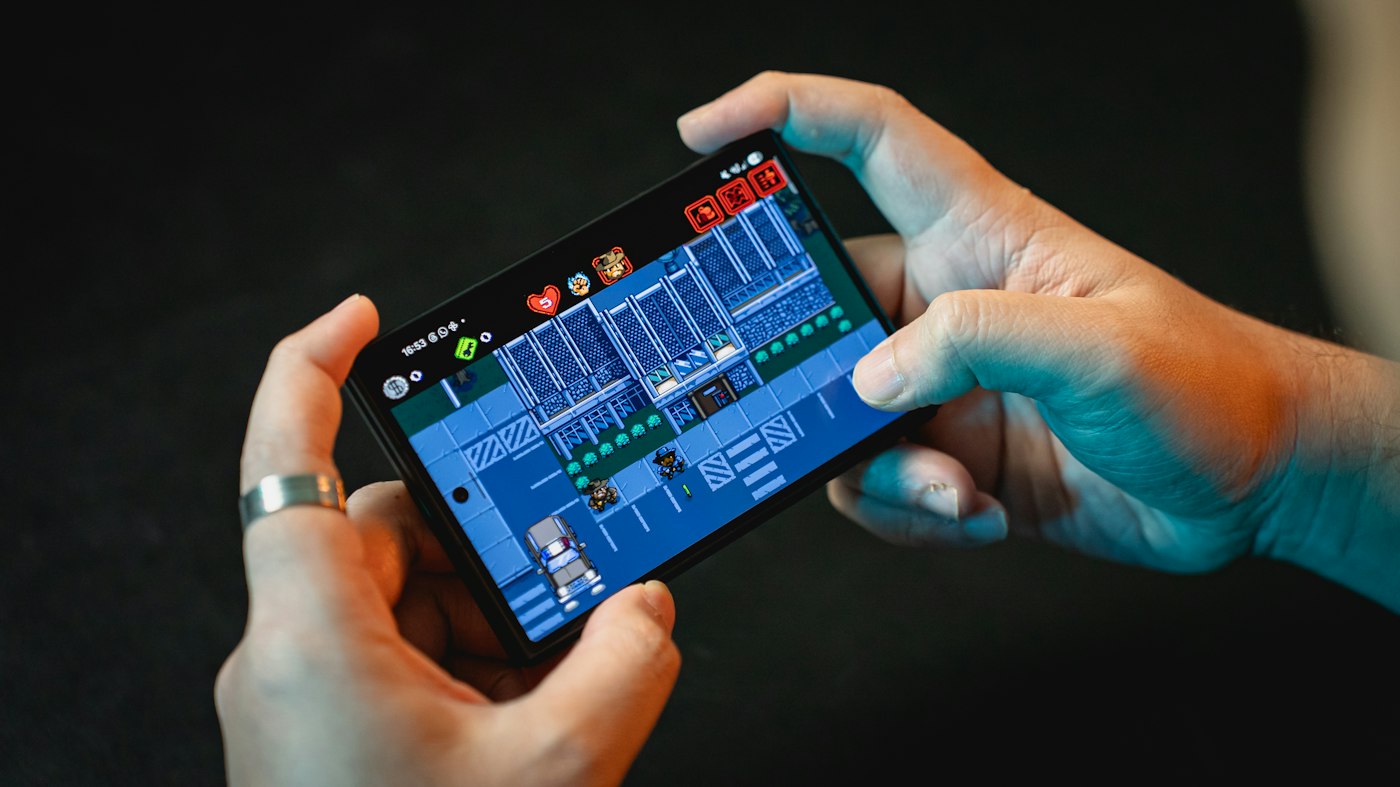
Not every genre translates well. The sweet spot for anyone who wants to play instant games on a commute or a break is short sessions and simple controls: puzzles, card and board games, trivia, casual arcade titles and light strategy. They need modest graphics and work well on touch.
Big 3D action games, complex shooters and anything needing large downloads or very low latency are a harder fit. Game streaming is closing some of that gap, but it adds server costs and depends on a good connection.
How the money works when you play instant games
With no purchase price up front, most instant games earn through advertising, in-game purchases or both. Rewarded ads, where you watch a short clip for a bonus, are common. A thoughtful design balances income with fun, because games that interrupt too often lose players fast, and in a format where leaving costs nothing, players do leave.
Retention is the real puzzle for any studio hoping people will play instant games more than once. Since installing is not a commitment, neither is quitting. Developers respond with daily challenges, streaks and social competition, and some nudge devoted players toward a fuller installed version.
What to watch for when you play instant games
A few habits make it safer and more pleasant to play instant games.
- Data sharing. Check what the host app passes to the developer. Playing inside a social app may tie your activity to your profile.
- Spending. One-tap purchases are convenient and easy to overuse, especially for children. Set limits in your payment settings, and see our parent’s walkthrough for kids’ game accounts if young players are involved.
- Saved progress. Know where your progress lives. If it is tied to an account, losing the account can mean losing everything.
- Ad quality. If a game feels like an ad delivery machine, close the tab.
Why this matters for the industry
The rise of the format reflects a wider shift: distribution is now scarcer than production. Tools for making games are better and cheaper than ever, so the hard part is reaching players. Platforms behind instant play are betting that the next wave of casual games will begin as a link in a chat, not an icon on a home screen.
That bet is not guaranteed. Platform rules can change, browser performance varies, and players have limited attention. But the core idea, that trying something should cost almost nothing, is hard to argue with. If you are curious about the technology under the hood, the Wikipedia page on WebAssembly explains the browser tech that makes much of it possible.
Next time a friend sends a game link, open it and notice three things: how quickly it loads, how soon it asks you for something, and whether you would want to play instant games like it again tomorrow. Those impressions tell you most of what a studio in this space is fighting to get right.