

Ask people under thirty how they pick a place to eat and a surprising number will say they scrolled until they saw something delicious. Short video has crept into restaurant discovery, a job once owned by review sites and printed guides. That shift is changing how restaurants market themselves, and how you should judge what you see.
Why video works for restaurant discovery
Food is visual and sensory. A photo can show a dish, but a video shows steam rising, cheese stretching, a sauce poured and a crunch you can almost hear. It conveys atmosphere in seconds: the lighting, the crowd, the sound of the room.
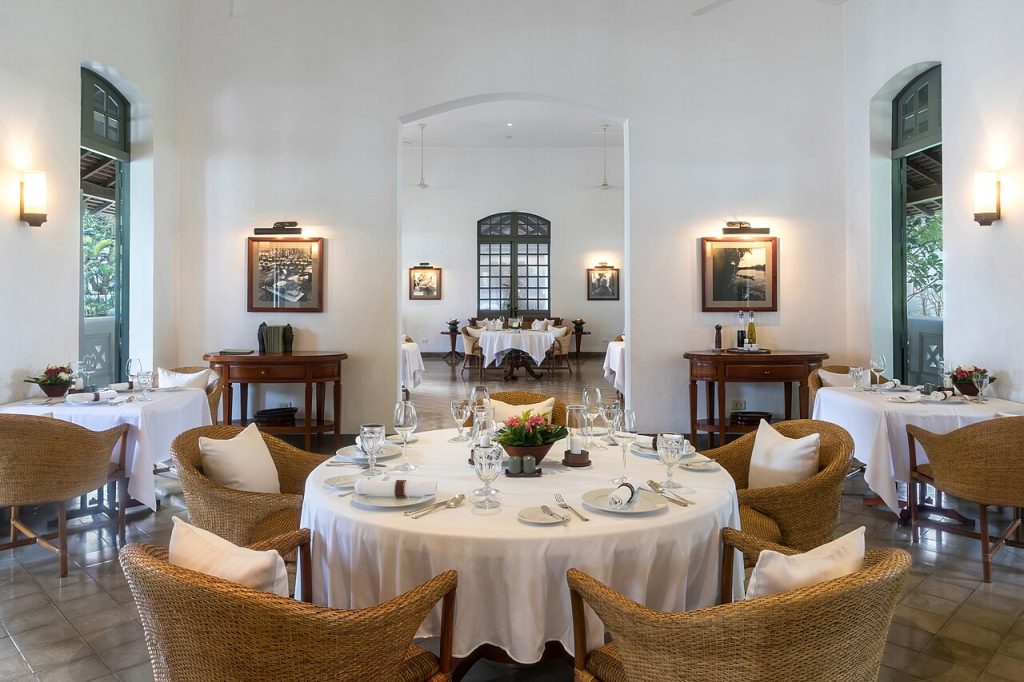
Video also supplies something star ratings never could, which is personality. A creator walking you through a street food market tells you where to stand, what to order and how long the queue runs. It feels more like a recommendation from a friend than a score from strangers, and that feeling is a big reason restaurant discovery has moved so quickly toward social apps.
What older tools still do better at restaurant discovery
Maps and listing apps give opening hours, menus, directions and booking in one place. Review sites collect many opinions, which tends to even out one person’s bad day. Local newspapers and critics offer comparison and context, and they often visit more than once. Word of mouth from people you know remains hard to beat.
The weakness of social video for restaurant discovery is that it is built for attention. Algorithms promote what gets engagement, not what is most reliable. Dramatic, photogenic dishes win over quietly excellent ones. A tiny family restaurant with plain presentation may never trend, however good the cooking is.
Sponsorship is another catch in restaurant discovery. Some creators are paid or given free meals, and disclosure rules vary from place to place. If a video does not mention a partnership, that does not prove there is none.
Crowds create distortions as well. A spot that goes viral can be mobbed for a few weeks, with long lines, rushed service and inflated prices. Then the surge fades, and the quiet weeks that follow are often when the food is at its best. Go at the peak and you may judge the place on its worst days. Videos are edited too. A flattering angle, a perfect portion and careful lighting are the norm, and the real plate may be smaller.
Cuisine matters in restaurant discovery too. Some food looks wonderful on camera and tastes ordinary, such as towering desserts built for the lens. Other food is the opposite: a plain stew, a simple noodle soup, a modest pastry that rarely photographs well but is exactly what locals line up for. If a place appears in your feed only because its dishes are dramatic, ask what regulars actually order.
A reliable way to use video for restaurant discovery
Use social video for restaurant discovery and other tools for verification. Say a clip shows a bowl of hand-pulled noodles that makes you hungry on the spot. Look the place up on a map app, read the recent reviews and sort by newest. Check photos taken by ordinary customers, not only the official ones. Confirm the menu, prices and opening hours, and see whether it takes reservations or handles dietary needs.
Pay attention to patterns. One complaint about slow service is noise. Ten of them over a month is information. Recent reviews matter more than old ones, because management, staff and quality change. If the clip is a year old, the kitchen may have a new chef, or the restaurant may have closed.
The comments under a video are an underrated source. Real diners often write things like “went on a Saturday and waited an hour” or “the portion was half this size,” which tells you more than the clip does. Be careful with replies that sound too enthusiastic and repeat the same phrases, since these can be posted by accounts connected to the business. A mix of mild criticism and specific praise usually signals real customers. Reading a dozen comments takes under a minute and is a cheap way to calibrate your expectations before you travel across town for a meal.
Save places you like to a list or map as you scroll, rather than trusting memory. Food videos blur together fast, and a saved list turns idle browsing into a plan for the weekend.
What this means for restaurant owners
For owners, a short clip can be the best marketing available. A cook plating a signature dish, a behind-the-scenes look at the kitchen or a customer’s genuine reaction can reach people who would never see an ad. But a surge of visitors can swamp a small kitchen, so planning for it with enough staff and supplies matters as much as the video itself.
Owners also need to protect their reputation by answering feedback quickly across platforms and keeping basic information correct everywhere. The best viral clip in the world does not help if the listed address is wrong.
Restaurant discovery is part of a broader change in how younger people look for information. They are as likely to open a video app as a search engine, especially for questions that depend on taste, place or mood. Search companies and social media platforms are both adapting, adding maps, reviews, tags and shopping features to compete.
Treat a viral food video as an invitation, not a verdict. If it makes you hungry, fine. Then do a minute or two of checking, go off-peak if you can, and order what looks good rather than what was photographed. If you try a place and love it, leave an honest review, because the more ordinary diners contribute, the less any single viral clip distorts the picture.
Related reading: Why Mobile-First Apps Are Moving to the Web Browser and Switching Browsers Without Losing Your Mind: A Practical Guide.
Photos: Basile Morin (CC BY-SA 4.0, Wikimedia Commons); Basile Morin (CC BY-SA 4.0, Wikimedia Commons).



