Electric cars are getting more common, and sooner or later every one of them will need a new battery. What happens to the old one? Used EV batteries aren’t simply scrap. Many still hold most of their original capacity, and the metals inside are valuable. That has given rise to a growing industry focused on recycling and on giving batteries a second life as stationary energy storage. Companies like Redwood Materials work in this field, and the ideas behind used EV batteries are worth understanding whatever any firm’s fundraising history. The battery recycling process is more intricate than most people expect.
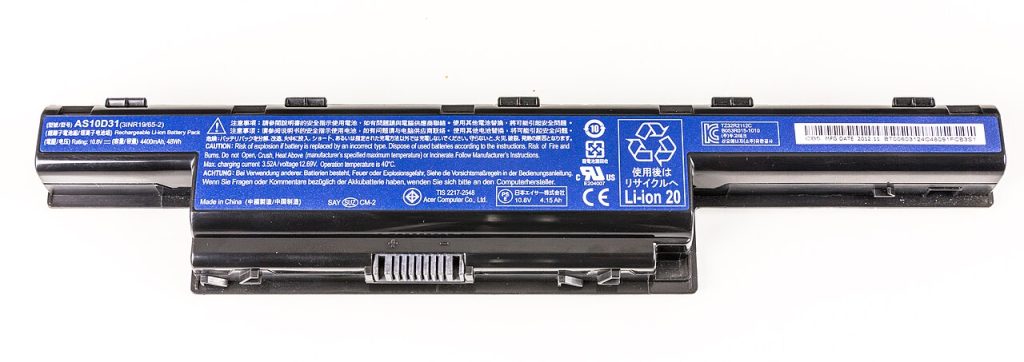
Why used EV batteries retire before they die
A battery in a car is judged by whether it can deliver reliable range and power. When capacity falls to somewhere around seventy to eighty percent of its original, the range loss is noticeable, and the pack may be replaced. But for a stationary job, that’s plenty. A battery sitting in a shed beside solar panels doesn’t need to move a two-ton vehicle up a hill. It needs to store energy and release it when asked.
That mismatch is the foundation of second-life use for used EV batteries.
Second-life storage for used EV batteries
Reusing retired EV packs for storage has several appealing features, and the same job is done on a larger scale in the grid, as explained in our guide to how grid battery storage works:
- It extends the useful life of a product already made, which reduces the impact per kilowatt-hour.
- It can lower the cost of grid and building storage, where price is crucial.
- It defers the need for recycling and gives time to build capacity.
Challenges are real, though. Packs differ in chemistry, size and design. Their health history varies, and testing each one takes time and money, which is why battery testing data needs software to keep up. Safety standards, warranties and insurance for reused batteries are still developing. And new batteries keep getting cheaper, which narrows the advantage of used ones.
How recycling used EV batteries works
When a battery can’t be reused, recycling steps in. Methods differ, but the broad flow looks like this.
- Collection and transport. Used batteries are hazardous goods, so shipping needs careful handling.
- Discharge and disassembly. Packs are made safe and broken down into modules and cells.
- Shredding or processing. Cells are mechanically processed into a mixed material, often called black mass, containing valuable metals.
- Separation. Using heat-based processes, chemical leaching or a combination, the metals such as nickel, cobalt, lithium and copper are separated and purified.
- Remanufacturing. The recovered materials are turned back into ingredients for new battery components, like cathode material and copper foil.
The goal is a closed loop, where used EV batteries supply a portion of the raw materials for new ones.
Why it matters
There are several reasons policymakers and manufacturers care.
Supply security. Mining these metals is concentrated in a few countries. Recovering them domestically reduces dependence on distant supply chains.
Environmental impact. Mining and refining have significant costs in energy, water and land. Recycled material typically requires less new extraction, though the energy used in recycling also counts.
Waste. Without a plan, a growing pile of used EV batteries could become a hazard, as fires in storage facilities have shown.
Cost. If recycling gets cheaper than mining, it supports lower battery prices over time.
What makes it difficult
Recycling is not as simple as it sounds.
- Chemistries are changing. Some newer batteries use less cobalt and nickel, making their recycling less profitable unless the process is efficient.
- Designs aren’t standardized, which makes disassembly harder to automate.
- Volumes of used EV batteries are still modest today, since most EVs are young. The big wave of retirements is ahead.
- Regulations vary. Rules about transport, handling and recycled content differ between regions.
- Economics are volatile because metal prices swing.
Companies in this sector therefore invest heavily in scale and technology, raising large sums to build plants and developing better separation methods. As with any capital-heavy business, investors should evaluate execution and economics, not just a compelling story.
The energy storage connection
Power grids with lots of wind and solar need storage to smooth out supply. Batteries can charge when electricity is plentiful and discharge in the evening. Data centers, factories and homes also use storage to manage costs and outages. A business that links recycling with storage, using retired packs where they are healthy and recovering materials where they are not, can serve both needs.
What consumers can do
- Ask about the manufacturer’s battery warranty and what happens to used EV batteries when buying an EV.
- Never put lithium batteries in household trash, including small ones from tools and devices. Use designated drop-off points.
- Support policies and companies that report real recycling rates and methods.
- Maintain your battery well: moderate charging habits and avoiding extreme heat help longevity.
The takeaway
The career of used EV batteries doesn’t end when they leave the car. Reuse where possible, recycle where not, and the materials keep circulating. The industry is young, with real technical and financial hurdles, but the logic is strong: the more we recover, the less we dig. Anyone planning to buy an electric car in the next few years can already ask the right questions about the pack that will one day come out of it.