Starting a software company takes a laptop and a weekend. Starting a nuclear company takes physicists, regulators, specialized materials and years of patience. So it can seem odd when one of the new nuclear startups announces a large early round of funding within weeks of appearing. The explanation says a lot about how investors view energy and what these companies are truly selling at first.
What the money buys at nuclear startups
In the earliest phase, nuclear startups are mostly buying expertise and time. The funds pay for engineers to refine a reactor concept, run simulations, test components, and begin the long conversations with safety regulators. Little steel is bent. The deliverable is a credible design and a plan, not a power plant.
Investors will accept this because founders in the sector often come from national laboratories, established reactor vendors or university programs, and carry knowledge that has taken decades to build. A team that has already worked on similar designs is easier to back than a blank slate.
Climate goals add another reason for patience. Cutting emissions from everyday activity involves many small choices, as shown in this guide to shrinking the carbon cost of everyday purchases, but electricity supply is a large share of the total. If nuclear startups can deliver safe, affordable reactors, they could supply low-carbon power at scale; if they cannot, the money will have funded useful research and little else.
The words in announcements can also be confusing. A small modular design, a microreactor and an advanced reactor are different things, and the small modular reactor article is a good place to see how the terms are used. Always ask which one a company means.
Why the interest has returned
Several forces have pushed nuclear back into conversation. Electricity demand is rising in places because of data centers, electrification of transport and heating, and industrial uses. Countries want low-carbon power that works regardless of weather. Nuclear plants, unlike wind or solar, provide steady output and use very little land for the energy they produce.
At the same time, the traditional model of enormous custom-built plants has a history of cost overruns and delays. That created an opening for smaller designs that promise to be built in factories and shipped to sites, aiming for repeatable manufacturing rather than one-off construction.
The small reactor idea
Small modular reactors produce a fraction of the output of a conventional plant. The argument for them is that smaller units can be manufactured under controlled conditions, financed in smaller increments, and added as demand grows. They might also suit places that cannot absorb a giant plant, such as remote mining operations or industrial sites that need heat as well as electricity.
Demand from technology companies has added fresh momentum. Large data centers need reliable electricity around the clock, and some operators have looked at dedicated reactors, a trend examined in why tech giants are turning to small modular reactors. For nuclear startups, a customer like that can matter as much as an investor, because a signed power purchase agreement shows that someone will pay for the output once the reactor exists.
The counterargument is that economies of scale favor large reactors, and that factory production only pays off after many units are made. Until then, the first few units are expensive. Whether small designs can beat that math is the central open question in the field.
The real bottlenecks
- Regulation. A new reactor design must be reviewed in depth by a safety regulator, a process that can last years and costs a great deal. Novel designs may require regulators to develop new review methods.
- Fuel. Some advanced designs need fuel enriched beyond the levels used in current commercial plants, and supply of that fuel is limited.
- Materials and components. Nuclear-grade parts come from a small supplier base with long qualification times.
- Financing construction. Even when a design is approved, building the first unit requires huge capital and customers willing to commit.
- Public acceptance and siting. Communities have to agree to host a plant, and waste handling remains a political topic.
How to judge new nuclear startups
Since announcements are cheap, look at what is verifiable. Has the company begun formal engagement with a regulator? Does it have named technical partners such as a laboratory or university? Does it have a plan for fuel? Is there a customer who has signed something more binding than a letter of interest? And what is the timeline for its first demonstration, as opposed to its first commercial unit?
Be wary of nuclear startups that publish timelines like those in software. A reactor milestone measured in months is rarely credible. Realistic plans stretch over years, with licensing as the long pole.
Why early money at nuclear startups is not a verdict
A big seed round tells you that investors believe the team and the opportunity are worth betting on. It doesn’t tell you the technology will work or the economics will close. Many ambitious energy ventures never reach commercial operation, and several well-known small reactor projects have been canceled or delayed after cost estimates grew.
That doesn’t make the sector a mirage. It means the right attitude is patient curiosity. The companies that matter will be the ones that complete a demonstration, pass a regulator’s review, and show a cost per unit of electricity that holds up under scrutiny. Until then, the funding is a bet on people and potential, and the real test is still ahead.
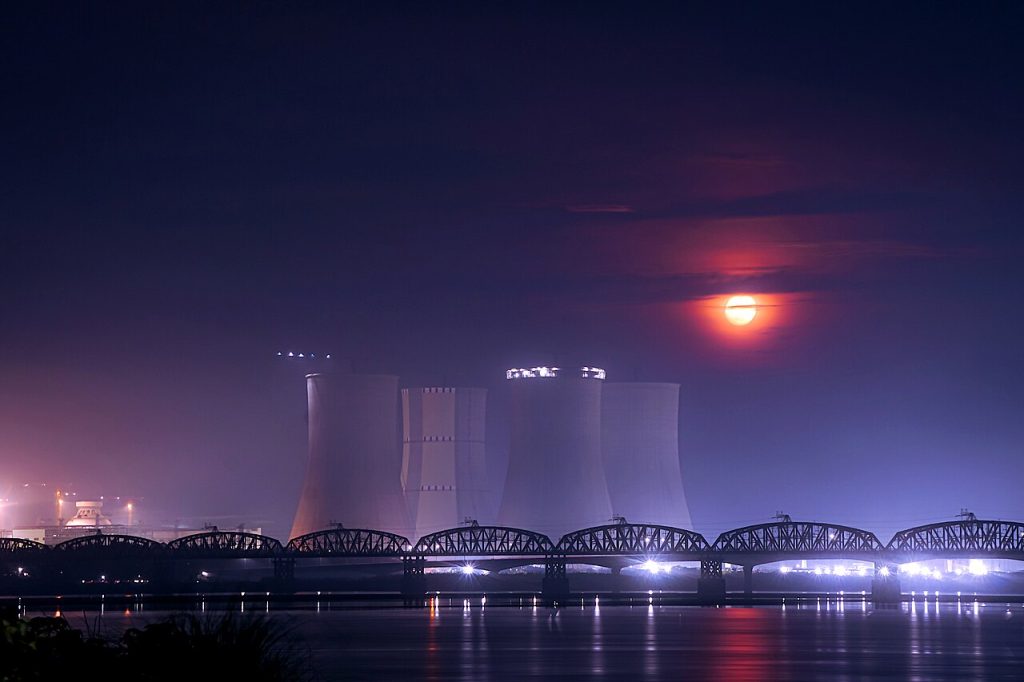
Image: Sanvi Ahmed Saim / Wikimedia Commons, CC BY-SA 4.0.