
Picture a film studio that finds a pirated copy of its new release on a streaming site at nine in the morning. By noon, the same film is on four other domains. The studio can send a takedown notice for each one, but by the time the paperwork clears, the audience has already moved on. That mismatch in speed is the reason people keep proposing shared piracy blocklists, where two or more search companies agree to feed from a single list of known infringing pages.
How piracy blocklists work in practice
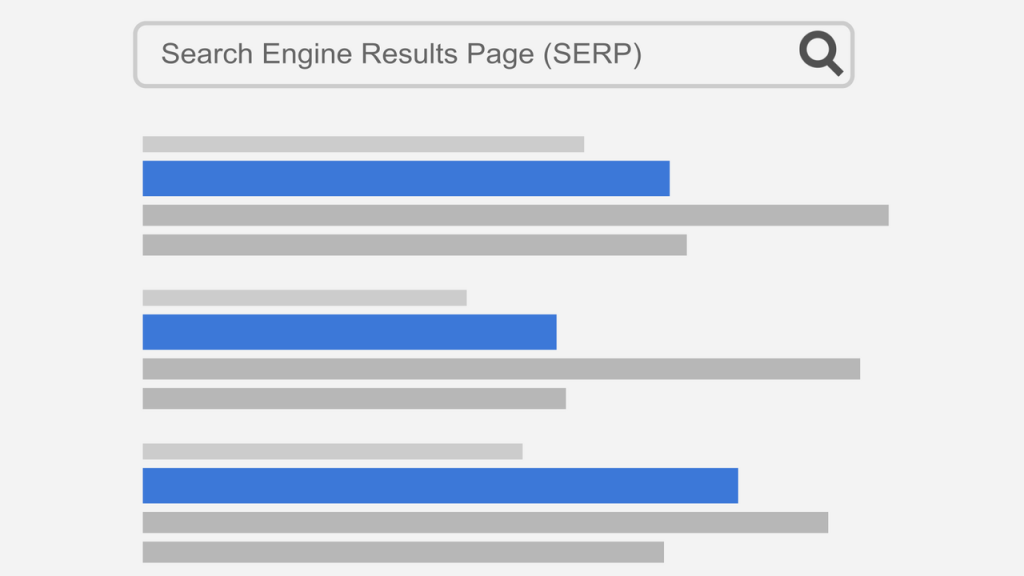
A shared blocklist is simply a database of URLs or domains (the kind of notice-and-takedown process described in the Digital Millennium Copyright Act is one source) that have been flagged as hosting copyrighted material without permission. Each participating search engine reads from that database and removes the listed addresses from its results, or at least pushes them far down the page. The list itself can be assembled from several sources: rights holders submitting complaints, courts ordering specific sites blocked, and automated systems that notice when a known pirated file appears somewhere new.
What sets shared piracy blocklists apart from each company running its own list is the pooling. If one engine verifies a complaint, the others can act on it without repeating the review. That saves labor, and it closes the gap where a pirate site is invisible on one engine but still easy to find on another.
Why it is harder than it sounds
The first problem is accuracy. A domain can host a mix of legal and illegal material. Blocking an entire domain because of a handful of bad uploads would also hide legitimate pages, which is how forums, file-sharing services and even personal blogs have occasionally been caught in wide nets. Blocking at the individual URL level is fairer but far more work, and pirates simply change the address.
The second problem is the speed of mirroring. A blocked site often reappears under a slightly different name within hours. Any list has to be updated constantly, and someone has to decide how quickly a new mirror can be added without proof that it carries the same content.
Third, there is the question of who audits piracy blocklists like these. If several companies rely on one database, an error spreads to all of them at once. A single mistaken entry could erase a perfectly lawful page from many search products at the same moment.
What users and site owners would notice
For ordinary searchers, a good system should be nearly invisible. You type the name of a new show plus the word free, and instead of a page of dubious streaming sites, you see official services and review pages. Search is also changing shape, with AI browsers answering questions directly, so a list that only covers classic result pages may miss new routes. Some engines already show a notice at the bottom of results saying that items were removed after a legal complaint.
Site owners are the ones who feel the sharper edge. If you run a site that accepts user uploads, the practical advice is the same regardless of how any blocklist is built:
- Keep a clear process for receiving and acting on copyright complaints, and respond quickly.
- Remove repeat offenders from your platform rather than waiting for a notice each time.
- Keep records of what you removed and when, so you can show good faith if your domain is flagged.
The privacy and fairness questions
Piracy blocklists concentrate power. The company or group that maintains the database effectively decides what a large share of internet users can find. Critics worry about the lack of public review, since a list of blocked URLs is itself a sensitive document: publish it and you hand pirates a directory, keep it secret and nobody can check it for mistakes.
Supporters respond that the status quo is not neutral either. Today, rights holders send enormous volumes of notices, and search engines process them one at a time using their own standards. As episodic series on social apps multiply, so does the amount of content worth copying, which makes consistency more valuable. A common list could actually improve consistency, as long as it includes a transparent route for challenging entries and a requirement to show evidence before something is added.
Do piracy blocklists even work?
The honest answer is that it reduces casual piracy more than determined piracy. Someone who types a movie title into a search bar and clicks the first result will be diverted. Someone who knows where to look, uses a link shared on a messaging app, or visits a site directly will not be affected at all. Studies of site blocking in various countries have generally found a modest effect on traffic to the blocked sites, and a bigger effect when legal alternatives are easy to find and fairly priced.
Piracy tends to rise when a show is split across several subscriptions or unavailable in a region. A blocklist treats the symptom. If the legal version is a pain to buy, a blocked pirate site is replaced by another one soon enough.
What to watch for
If a proposal for piracy blocklists reaches your part of the world, a few questions tell you most of what you need to know. Who can add an entry, and what proof is required? Can a site owner see why they were listed and contest it? Is there a published count of removals and reversals? And does the arrangement apply to one narrow category of obvious piracy, or can it quietly expand to other kinds of content later?
Shared piracy blocklists can be a reasonable tool when they are narrow, evidence-based and open to challenge. When they are none of those things, they become one more opaque gate between people and the web, and the people who get hurt first are the small site owners without lawyers.
Image: Muhammad Rafizeldi / Wikimedia Commons, CC BY 4.0.



