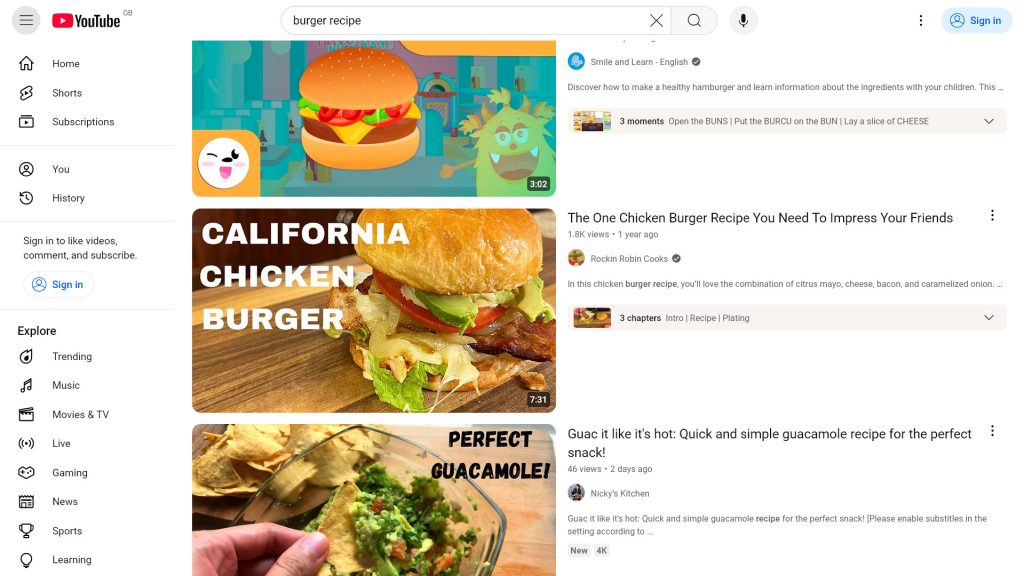
A view sounds like the simplest metric on the internet. Someone watched the video, the number goes up. In reality, “view” has always been a rule written by the platform, and YouTube’s decision to count one as soon as a video starts playing is a good reminder that the number you see is a definition, not a fact of nature.
What is changing
Under the new approach, a view is registered when playback begins instead of after the viewer has watched for some minimum stretch. For creators and audiences, that means raw view counts may rise faster than they used to, and videos that rely on instant autoplay or short clips could see the biggest bump.
The shift is about the headline counter, not about every statistic in the creator dashboard. Watch time, average view duration and audience retention tell a different story, and those are the ones that decide how a video gets recommended and monetized.
How views were counted before
For years the public view count was designed to be conservative. A view needed to represent intent, which usually meant a viewer had watched for at least a short time and the platform’s systems believed it was a real person rather than a script. Counts were also frozen or delayed at times so that spam could be filtered out before the number went public. That is the reason brand-new videos sometimes sat at a few hundred views for hours.
The conservative rule had a downside. Short clips and looping content could be watched many times without being counted, and creators in formats built for quick consumption found their numbers understated compared with competing apps.
Why a platform would loosen the rule
There are practical reasons. Short-form video is now the default way many people use the service, and a rule built around longer sessions fits it poorly. Competing platforms count a view the moment a clip starts, so a lower threshold makes numbers comparable across apps. And simple definitions are easier to explain to the public.
It also raises an uncomfortable point: view counts are social proof, and platforms benefit when videos look popular.
What creators should do
- Stop comparing across the change. Last year’s 10,000 views and this year’s 10,000 views no longer mean the same thing. Mark the date in your records.
- Lean on retention. Average percentage viewed and returning-viewer numbers are harder to inflate and more useful for planning.
- Watch for thumbnail bait. If starts are cheap, click-driven tactics will look better than they perform. Check how many people stay past the first fifteen seconds.
- Keep sponsor reports honest. Tell brands which definition you are using when you quote numbers, and offer watch time next to views.
What advertisers and brands should ask
Media buyers have been burned by shaky metrics before, so the questions are predictable. Does the new count change how paid views are billed? Are sponsored placements measured on the same definition? What is the plan for filtering automated playback? A view that began and ended in a second inside a muted feed is not worth the same as someone who watched the demonstration to the end, and smart buyers will price accordingly.
What it means for viewers
If you use the counter as a quality signal, adjust your instincts. A big number now says that a lot of people started the video, not necessarily that they stayed. Comments, likes relative to views and the length of the video give a better sense of whether it is worth your time.
A quick checklist for your own channel
Export your last twelve months of views and retention before the change takes effect, and save the file somewhere safe. After a month, compare the new numbers against the old ones for the same kind of video. If views jump but average view duration drops by a similar proportion, you are looking at a counting change rather than audience growth. Write that note beside the chart so that future you, or a sponsor reading your media kit, is not misled.
The bigger picture
Every platform periodically rewrites the rules of measurement, and each time the same pattern follows. Numbers jump, creators celebrate, then the market adjusts and the extra views stop meaning very much. What survives is the work: videos people finish, return to and recommend. That has never needed a special counter.
So treat this update as a bookkeeping change. Note it, rebase your benchmarks, and keep your focus on the metrics that show whether the audience actually cared.