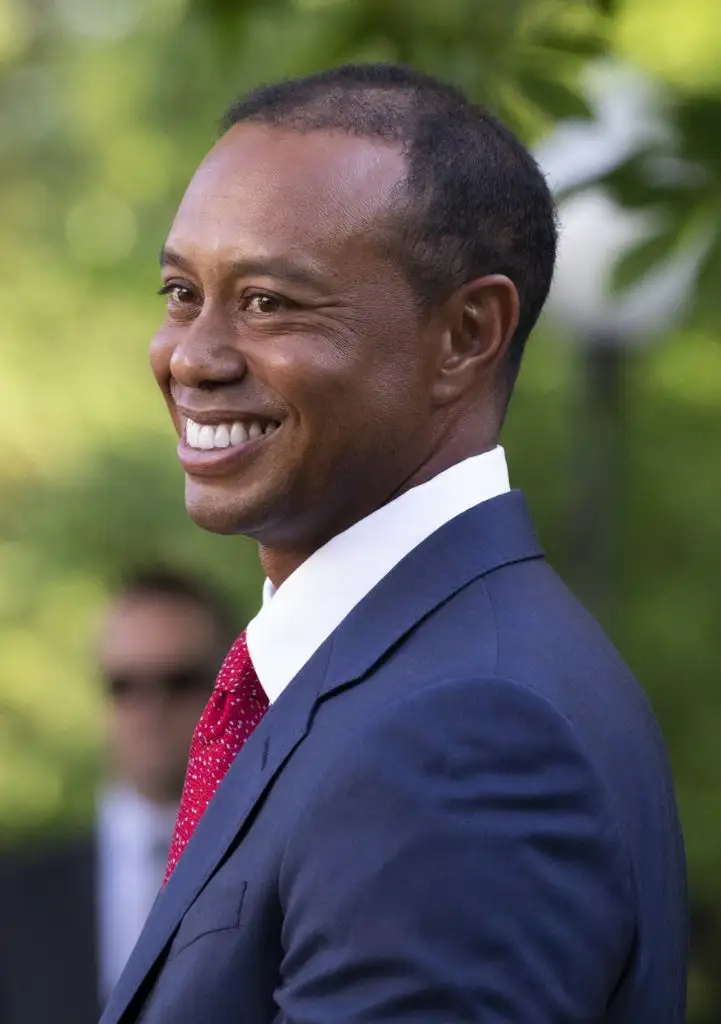
The quick answer to what is tiger woods networth? is about $1 billion. Forbes and Bloomberg have both described him as a billionaire athlete in recent years, though their numbers differ a little and neither is based on his actual books. We’ll lay out how a golfer gets to that figure, because prize money alone doesn’t come close.
Here’s the short version in numbers we can stand behind: he has won 15 major championships and a record-tying 82 PGA Tour events, and he has earned well over $100 million in official career prize money. The rest, the vast majority, came from off-course income.
What is tiger woods networth? Why prize money isn’t the story
Woods turned professional in 1996. Within a few years, he had signed some of the biggest sponsorship deals sport had ever seen. A long contract with Nike, a partnership with Rolex, and relationships with companies in sports drinks, video games, and consumer goods helped create the first athlete to be widely reported as a billionaire. Forbes said he reached that milestone around 2009, when its estimates counted his earnings from sponsorship alongside the tour.
That’s worth putting in perspective. Many top players in golf earn mostly from tournaments. Woods earned an enormous multiple of his winnings from deals, which is why even years of injury and lower results didn’t wipe out the fortune.
A quick timeline
- 1996: Turns pro and signs with Nike.
- 1997: Wins the Masters, his first major.
- 2000 to 2001: Wins four consecutive major titles, known as the Tiger Slam.
- 2009 to 2010: Several sponsors cut or scaled back deals after a personal scandal. Estimates of his earnings dipped but he stayed on top of wealth lists for athletes.
- 2019: Wins the Masters again, his fifth green jacket and first major in more than a decade.
- 2021: Seriously injured in a car crash; he later returned to competition in a limited way.
- 2024: Ends a long partnership with Nike and later launches the Sun Day Red apparel brand with TaylorMade.
Where the money sits today
Endorsements
Even with a reduced playing schedule, endorsements have remained the biggest line. Forbes has reported years in which he earned tens of millions from sponsors but only a small amount from playing.
TGR Ventures and design work
His company, TGR Ventures, houses a number of projects, including a golf course design business, the TGR Foundation, and the tournament known as the Hero World Challenge. Course design is typically fee-based and is a reasonable source of side income, though we don’t have verified figures.
Restaurants and other holdings
He has also owned a sports-themed restaurant in Florida. Real estate, including a large Florida estate, adds to the total in most estimates, but values are generally calculated rather than disclosed.
Why numbers vary
If you compare lists you’ll see something between roughly $800 million and $1.3 billion across different years. That’s not unusual. The big variables are:
- How much value to place on the Sun Day Red brand and its earning potential.
- Whether sponsorship income is counted as gross or after taxes and agent fees.
- The accuracy of older estimates that weren’t revised after the Nike deal ended.
As with any person who has never published their financials, you should read a number as an informed guess. We checked a few outlets and found each one repeating a similar range, which suggests the estimates are anchored to each other rather than to separate hard data.
What we can say with confidence
The career statistics are verifiable: you can find them through the PGA Tour and in his Wikipedia entry at Tiger Woods on Wikipedia. The money isn’t. So when you see someone claim to know his networth down to the dollar, be skeptical.
What we’d say is that he reshaped how athletes are paid. Before him, golf sponsorship was comparatively modest; after him, tournament purses and appearance deals rose dramatically across the sport. His fortune is partly a reflection of that, a rising tide he helped create.
Comparing him with other athletes
Only a few athletes have been reported as billionaires, and most of them got there through team ownership, business stakes, or global brand empires rather than competition alone. Woods is unusual because the foundation was playing success that was converted into licensing and brand value. That conversion is hard to repeat, and it’s one reason analysts still use him as the benchmark when they talk about the commercial power of an individual sportsperson.
Another point we noticed: his income profile is very different from that of a team-sport star on a salary. Golfers earn nothing unless they play and finish well, so sponsorship acts as a cushion. For Woods, the cushion became the main structure. Even in seasons when he played only a few events, reports said he remained among the highest-earning athletes in the world.
What could change the number next
Three things are worth watching. First, how well the Sun Day Red brand grows, since a successful clothing line can be worth far more over time than a sponsorship fee. Second, any further business launches through TGR Ventures. Third, how his playing schedule and health develop. None of these can be predicted from here, and we’d rather say so plainly than guess. Until fresh reporting appears, the answer to what is tiger woods networth? stays at a figure around $1 billion remains the common working estimate.
This article is for general information only and is not financial advice.