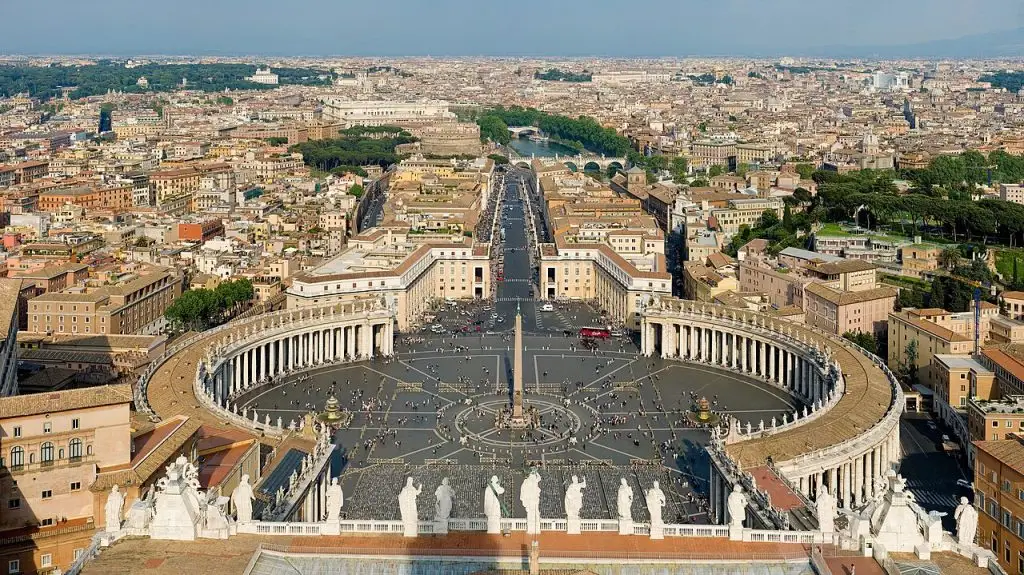
Short answer first: what is the pope’s networth? Personally, close to nothing, because popes do not hold private fortunes. The pope leads the Catholic Church and heads the Holy See and Vatican City State, but the institutions’ assets are held for the Church’s mission, not owned by him. Asking for a net worth is a bit like asking the head of a national government what he personally owns of the treasury.
What is the pope’s networth? Two questions hiding in one
People usually mean one of two things. The first is personal wealth. The second is the wealth of the Vatican as an institution. They have very different answers.
1. The pope as a person
A man elected pope is a member of the clergy, and many have taken vows of poverty if they came from religious orders. Even those who didn’t tend to give up personal property or use it for charity. The pope is provided with housing, a staff, travel and security by the Holy See. Pope Francis was widely reported to have lived simply, famously choosing the Casa Santa Marta guesthouse over the Apostolic Palace. Pope Leo XIV, elected in May 2025, is a member of the Order of Saint Augustine. Neither has had any reported personal fortune.
2. The Vatican as an institution
The Holy See has been publishing consolidated financial statements in recent years as part of a reform of its accounting. Those reports, according to coverage by outlets like Reuters and the Associated Press, have shown a mix of real estate, investments and cash, along with recurring deficits and a large pension obligation. The reported totals are in the billions of euros for assets, but the exact numbers vary by year and by which entities are included, so I’ll avoid quoting a single figure.
What the Vatican owns, in general terms
- Property. Buildings in Rome and abroad, a portion rented to commercial tenants.
- Investments. Held through various offices, including the administration of the Holy See’s patrimony.
- The Vatican Museums. A major source of revenue through ticket sales.
- The Institute for the Works of Religion, commonly called the Vatican Bank, which serves Church institutions.
Myth versus fact
- Myth: The pope owns the art in the Vatican. Fact: It is held by the institution, and much of it is considered priceless and not for sale.
- Myth: The Church has a single global bank account. Fact: Dioceses, religious orders and parishes are generally separate financial entities.
- Myth: The pope is a billionaire. Fact: No reputable source says so, and the role doesn’t work that way.
Why the confusion persists
Headlines about Vatican wealth, real estate scandals and investments blur the line between the Church’s institutions and the individual in charge. When people see gold-trimmed halls, they assume a personal fortune. In truth those spaces are part of an institution’s heritage, and upkeep costs are heavy. Reforms started under Francis aimed to make the books more transparent, which is why you can now read about deficits and not just assets.
A good analogy appears in our look at the networth of the royal family: a person who holds a historic office often has far less personal wealth than the buildings around them suggest. The Wikipedia article on the Holy See gives a clear background on how the institution is structured.
The takeaway
If you need one sentence, the pope’s networth is effectively zero in the personal sense, while the Holy See is a large, asset-rich institution with real operating costs and reported shortfalls. Any claim of a specific personal fortune should be treated as unreliable.
One more point is worth making. Because Vatican finances are overseen by several separate bodies, including the Secretariat for the Economy and the Administration of the Patrimony of the Apostolic See, reporting comes in pieces, and the pieces don’t always add up neatly to one ‘net worth’. Journalists who cover the topic generally say so. If someone offers you a single trillion-dollar number for the Church, ask what they counted, because artworks and sacred buildings are not realistically for sale and are not usually valued that way by accountants.
Readers interested in the actual financial picture can look at the annual consolidated statements the Holy See has released and the coverage that accompanies them. They are the best evidence available, and they show an institution with real costs and constraints, not a hidden personal treasure.
This article is general information, not financial advice.
Photo: Diliff, CC BY-SA 3.0, via Wikimedia Commons.