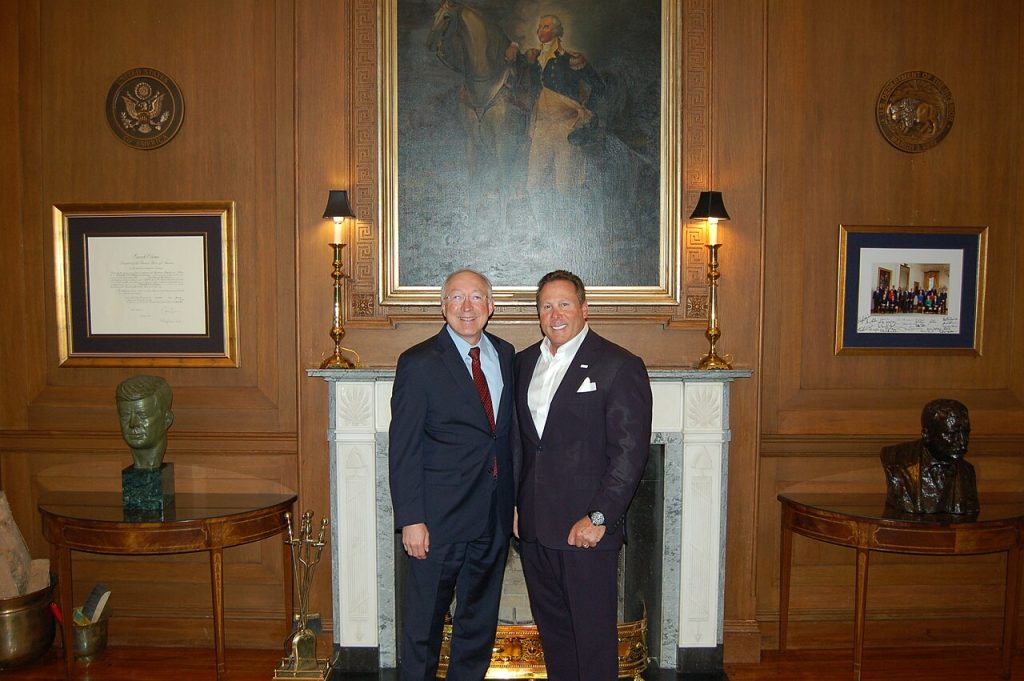
Stephen J. Cloobeck networth is usually discussed in the context of one company: Diamond Resorts. He founded the timeshare and vacation ownership business and led it for years, and the 2016 sale of the company to the private equity firm Apollo Global Management is the event most closely tied to his wealth. No official figure is published, so any total you see is an estimate, and it’s best read as a rough range.
The business behind the money
Cloobeck is a Las Vegas-based entrepreneur who built Diamond Resorts into a large vacation ownership operator, with resorts and a membership network. He served as chief executive for much of its growth, and the company went public before later being taken private through the Apollo transaction.
That sale was widely reported at a multi-billion-dollar enterprise value. It’s important to separate that from his personal take. A company’s sale price isn’t what any one founder pockets: debt, other shareholders, taxes, and earlier share sales all sit between the headline and the individual.
Why trackers differ
Since he sold his main business, new public data on his holdings is thin. Estimates tend to start from his reported ownership stake, estimate proceeds after the deal, and then guess at investments since. Each step introduces uncertainty.
That’s why you may see a few hundred million on one site and a different level elsewhere. I won’t put a precise figure here, because I can’t confirm one, and a wrong confident number is worse than an honest range.
What counts as wealth here
- Proceeds from selling a stake in a private or public company.
- Investments made afterward, which aren’t disclosed in detail.
- Real estate, which is hard to value from the outside.
- Charitable giving, which reduces net worth rather than adding to it.
Philanthropy and public life
Cloobeck has been known for charitable donations and for involvement in Democratic politics, including a run for California governor that he later ended before the election. He has also written and spoken about his time in business. These are matters of public record, and they matter for net worth because large gifts and political spending lower the total that trackers might otherwise assume.
Giving is especially tricky to model. Donations may be made through foundations or donor-advised funds, and the timing isn’t always public.
How to check an estimate you find
- See whether the site names the transaction or filing it used.
- Look at the date. Wealth estimates age quickly.
- Confirm the facts around it, such as the company and sale year, in neutral sources.
- Be wary of precise-to-the-million figures with no method.
For company-level background, see the Diamond Resorts article on Wikipedia. For rules about what public companies and insiders must disclose, the SEC’s filings are the primary source, though those won’t show private wealth after a company goes private.
A sensible takeaway
Stephen J. Cloobeck networth is best described as substantial, linked to the growth and sale of a major vacation ownership company, and not independently verified in dollar terms. His career is well documented. His current balance sheet isn’t.
If the exact number matters to you for a project or a story, cite the specific tracker and the date, and note that it’s an estimate. That’s the honest way to use figures like these, and it keeps you out of trouble when the next update shows something different.
Putting the numbers in context
It helps to remember how founder wealth usually works. A founder rarely owns all of a company, and a sale involves lenders, investors, and often rolled-over equity. Proceeds are then taxed, invested, spent, or given away. A figure that ignores those steps overstates what’s likely sitting in an account. That’s one more reason to prefer ranges and to read any tracker’s number as a rough ceiling, not a bank statement.
One more practical tip: if you’re writing about him, lean on documented events, like the founding, the public listing, and the sale, and let the net worth figure be a clearly labeled side note. Readers trust that approach more, and it ages better.
This article is for general information only and is not financial advice.
Related reading
- What Do Employees Say About Networth Realty? How to Read the Reviews
- Erik and Lyle Menendez Net Worth: What Is Publicly Known
Photo: Tami Heilemann–Interior Staff, Public domain, via Wikimedia Commons