A headline that gives the richest person in the world networth as a single number feels simple. It is not. Behind that one figure there are choices about what to count, which day to measure and whose estimate to trust.
What the headline usually says
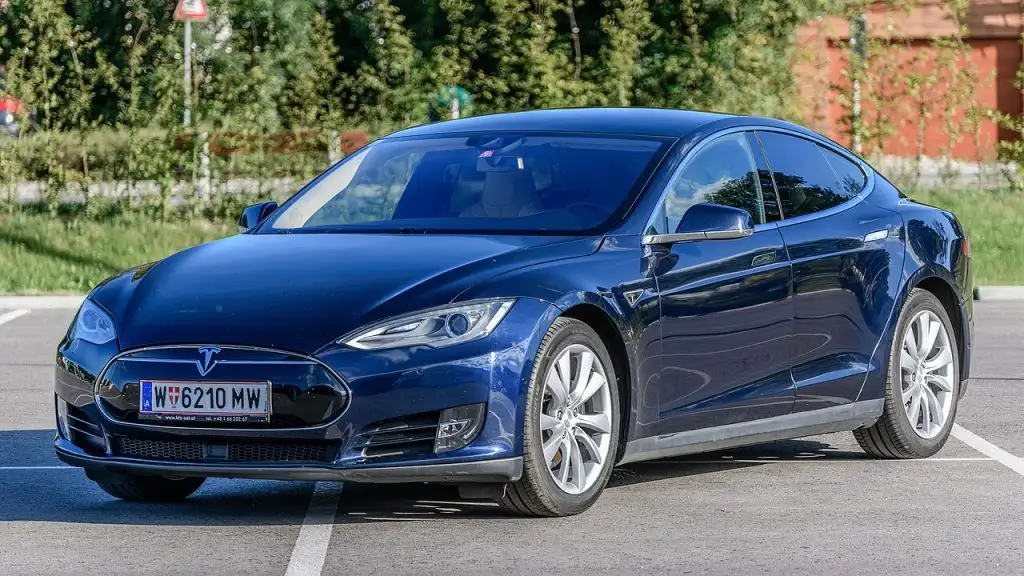
In recent years the person named as the richest has been Elon Musk, with Forbes and Bloomberg both reporting a fortune in the hundreds of billions of dollars. The figure has been above the two hundred billion mark for most of that time, and in late 2024 it passed four hundred billion on some measures. Beyond that, treat any exact figure as a moment in time.
What goes into the richest person in the world networth figure
Public shares
The largest portion is usually shares in listed companies, valued at the day’s closing price or, on Forbes’ real-time list, the latest trade.
Private companies
Founders often own pieces of businesses with no market price. Analysts estimate those using funding rounds or comparable companies, which brings in judgment.
Other assets
Real estate, art, yachts, aircraft and cash are added when they are known. Most are small compared with company shares at the very top.
Debts
Known loans are deducted. Some billionaires borrow against their shares instead of selling them, which makes this part important and sometimes hard to see.
What is left out
Wealth that cannot be documented is left out. That includes the private fortunes of some rulers and families, who are widely believed to be very rich but whose assets are not public. It also means the list is a ranking of measurable wealth, not an absolute truth.
The date problem
A person who is number one on Monday can be number two by Friday. When the top two are close, even a mid-day trading move can flip the order on a live list. This is why journalists often write “among the richest” instead of “the richest” unless the gap is large.
Net worth is not take-home pay
It is easy to read a figure like this as annual earnings. It is not. A net worth of hundreds of billions does not mean anyone earns that in a year. It says what everything owned is worth at that moment, minus what is owed.
How to quote it
Use a sentence such as: “Forbes’ real-time list reported [name] as the richest person in the world on [date], with an estimated net worth of roughly [range].” It is accurate, hedged and checkable.
Questions readers send in
Is the top person always a founder?
Usually, but not always. Some top-ten names are heirs or professional investors, such as Warren Buffett, who built Berkshire Hathaway’s value over decades.
Does donating money lower the number?
Yes, if it is a gift of assets. Several people on the list have pledged to give away most of their wealth, which can lower their listed fortune over time.
Is the number the same in every country’s press?
Most outlets quote Forbes or Bloomberg, but local lists exist and use different methods.
Why precision is a trap
A number such as 412.3 billion looks scientific, but the decimal place is theater. Share prices change by the second, private valuations are estimates, and debts are not fully visible. A responsible writer rounds to the nearest ten billion or gives a range, and puts the date right next to it. Readers who see false precision tend to trust a figure more than they should. Readers who see a range and a date know they are looking at an estimate, and they will check again later. That small habit of honesty is what separates a useful article about wealth from one that is wrong by lunchtime.
A note on the word richest
It is also worth remembering that richest means richest according to a particular list. The lists are good, but they are limited to what can be documented. Treat the title as a headline for a ranking, not a final verdict on who controls the most resources in the world.
Putting it in context
To give the figure some scale, imagine a person who earned a very high salary of ten million dollars a year, every year, from the age of twenty-five to sixty-five. That would be four hundred million dollars over a whole career, before tax. The people at the top of these lists hold fortunes that are hundreds of times larger, and almost entirely through ownership of growing companies instead of earnings. That is one reason economists and journalists keep separating wealth from income when they discuss inequality.
*For information only, not financial advice. All figures are third-party estimates.*
More like this: browse our Net Worth section. For background, see the Wikipedia entry.